
The United Arab Emirates (UAE) has recently relaxed its visa policies for Nigerian travelers, marking a significant step towards enhancing economic and diplomatic relations between the two nations. As bilateral non-oil trade reached an impressive $5 billion in 2025, this development opens doors for increased collaboration and connectivity.
Visa Policy Improvements Foster Travel Growth
During a meeting in Abuja, Salem Saeed Al-Shamsi, the UAE Ambassador to Nigeria, announced that visa issues that previously hindered travel have been largely resolved. He noted that Nigerian citizens are now experiencing fewer visa rejections when applying to enter the UAE. The easing of these restrictions has already resulted in a surge of travel, with over 15,000 Nigerians visiting the UAE in the past year. This positive trend is not just about enhancing tourism; it also plays a crucial role in strengthening bilateral ties between the two countries.
The ambassador highlighted that the improvements in visa access are part of a broader strategy to deepen economic collaboration. Non-oil trade between Nigeria and the UAE saw an increase from $4.3 billion in 2024 to $5 billion in 2025, with projections indicating it could reach around $8 billion by 2027. Al-Shamsi attributed this growth to enhanced commercial interactions, investment opportunities, and increasing personal exchanges, which have flourished since their diplomatic relationship began in 1971.
Future Developments in Economic Relations
In an effort to further solidify these economic ties, Al-Shamsi shared exciting news about the operational commencement of the First Abu Dhabi Bank (FAB) in Lagos. This initiative is expected to facilitate financial transactions and investments, ushering in new economic opportunities for both nations. Moreover, the UAE’s national airline, Etihad Airways, plans to initiate flights to Abuja later this year, which is anticipated to significantly boost business travel, tourism, and investment opportunities between the two countries.
The UAE has shown unwavering support for Nigeria’s development and security goals. Al-Shamsi pointed out that his country has consistently condemned acts of terrorism within Nigeria, issuing numerous statements expressing solidarity in the fight against insecurity. These gestures of support further underscore the commitment of the UAE to stand by Nigeria during challenging times.
Industry Leaders Look Forward
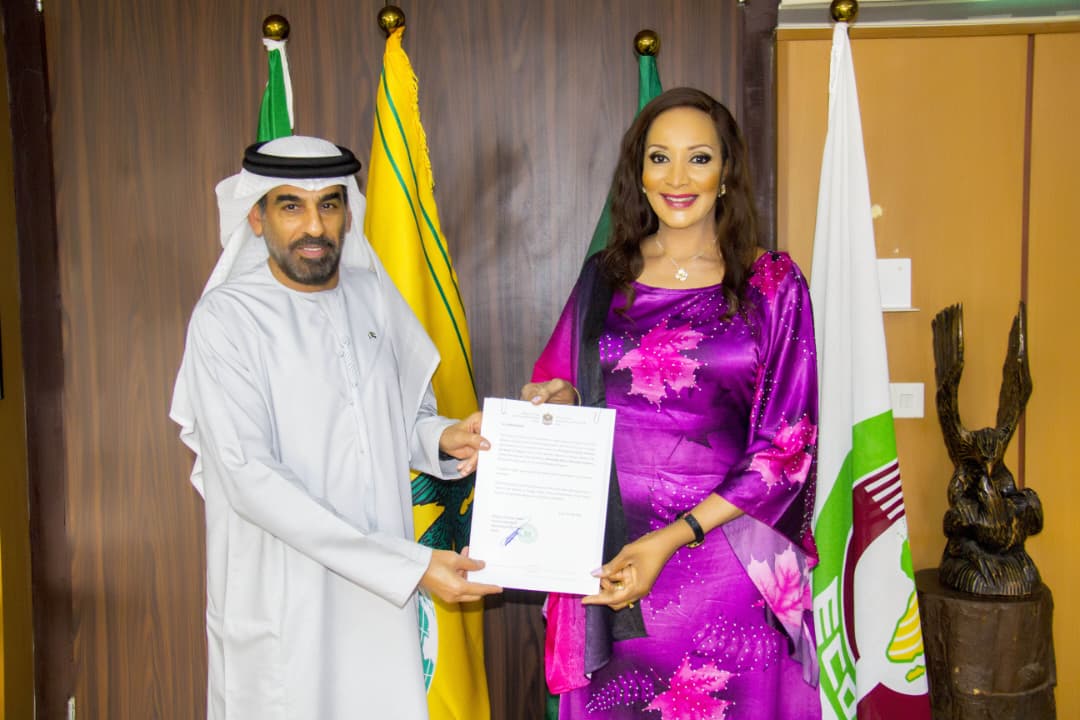
During their meeting, Nigeria’s Minister of Foreign Affairs, Bianca Odumegwu-Ojukwu, acknowledged the strides made in addressing visa-related issues, calling it a landmark achievement for both nations. Reflecting on her previous role as Minister of State for Foreign Affairs, she expressed satisfaction that many long-standing concerns regarding visa access have now been resolved. The lifting of travel restrictions is seen as a catalyst for increased movement of people and a strengthened economic partnership.
Furthermore, Odumegwu-Ojukwu commended the UAE’s contributions to enhancing trade relations, emphasizing the remarkable growth in non-oil trade. The minister reaffirmed Nigeria’s commitment to providing a supportive environment for foreign investments, particularly from UAE-based sovereign wealth funds and businesses. Both nations are also looking forward to implementing the recently signed Comprehensive Economic Partnership Agreement (CEPA), which is expected to create new pathways for businesses and professionals from both sides.
In conclusion, the recent developments in visa policies, trade agreements, and investment initiatives indicate a promising future for Nigeria and the UAE. Both nations are optimistic that these advancements will usher in a new era of collaborative opportunities, thereby fostering an enduring and mutually beneficial relationship.