
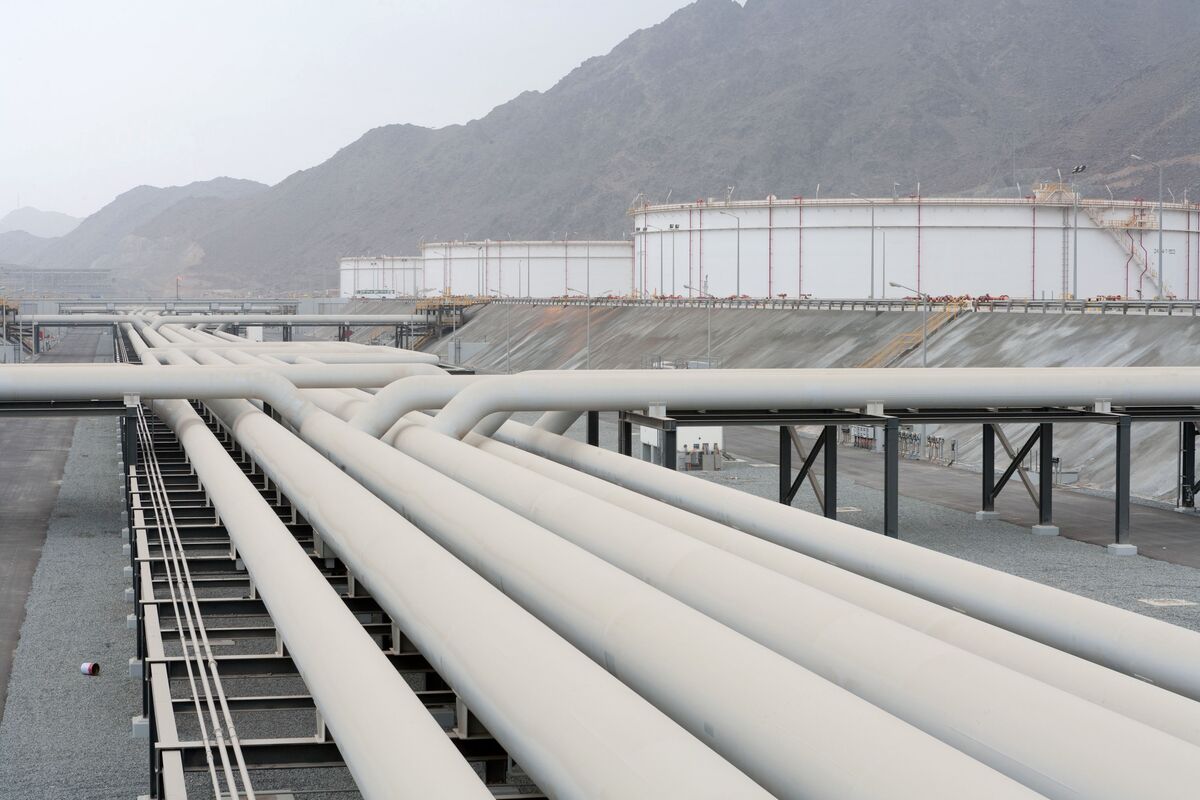
The United Arab Emirates (UAE) is exploring the construction of a new pipeline aimed at transporting refined products directly to the eastern coast, circumventing the crucial Strait of Hormuz. This potential development is significant not only for the UAE’s energy infrastructure but also for enhancing the country’s resilience in the face of geopolitical uncertainties.
Strategic Importance of the New Pipeline
The Strait of Hormuz is one of the world’s most vital maritime chokepoints, with a substantial portion of the globe’s oil supply passing through its waters. By constructing a pipeline that bypasses this narrow passage, the UAE aims to strengthen its energy security and reduce the risks associated with potential disruptions in this area. Such a project highlights the nation’s proactive approach in safeguarding its energy exports and diversifying its logistical routes.
This new infrastructure would facilitate the transportation of refined fuels, including gasoline and diesel, allowing for smoother supply chains and mitigating the impact of any geopolitical tensions that may arise in the region. The UAE’s investment in this pipeline not only aims to bolster its domestic economy but also positions the country as a resilient player in the global energy market.
Economic Implications of Enhanced Infrastructure
The development of this pipeline is likely to have several positive economic repercussions. First and foremost, it could stimulate job creation within the region during both the construction and operational phases. A project of this magnitude would require a skilled workforce and result in numerous related employment opportunities, thus benefiting the local economy.
Moreover, by optimizing export routes, the UAE could increase its attractiveness to international partners. A reliable and secure supply chain makes the country an appealing hub for energy traders and partners, potentially leading to increased foreign investments. This diversification could also reduce reliance on traditional routes, providing a buffer against market volatility driven by regional conflicts.
Future of UAE’s Energy Sector
As the UAE seeks to expand its energy infrastructure, the potential for renewable energy development also comes into play. While the new pipeline focuses on refined products, the UAE has made significant strides in incorporating sustainable practices within its energy sector. Investments in alternative energy sources are being prioritized to complement its traditional oil and gas operations.
This dual approach not only reinforces the UAE’s position in the present energy landscape but also prepares the nation for a transition towards greener energy practices. As concerns about climate change grow, maintaining a balanced and diversified energy strategy will prove essential for the nation’s long-term sustainability.
Conclusion: A Step Towards Resilience
The proposed pipeline represents a strategic initiative that underscores the UAE’s commitment to strengthening its energy infrastructure while promoting economic development. By effectively bypassing the Strait of Hormuz, the nation enhances its resilience against potential disruptions and establishes itself as a formidable player in the global energy market. The integration of new infrastructure with sustainable energy aims will shape a more robust and diversified energy future for the UAE, ensuring its continued growth and stability in an evolving world.