
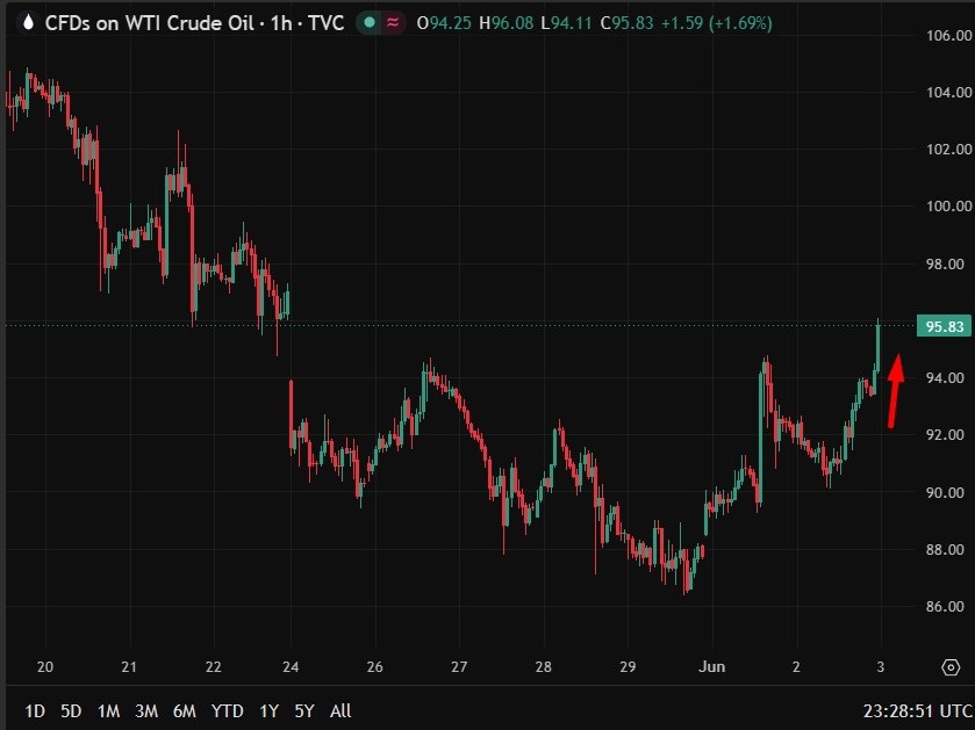
Tensions in the Gulf region are escalating significantly as Iran launches ballistic missile strikes, boldly targeting Bahrain, Saudi Arabia, Dubai, and US military installations in Kuwait. This marked a crucial expansion of the ongoing conflict, prompting immediate concerns about the security of global oil supplies and regional stability.
Escalation of Hostilities
Iran’s recent missile attacks have notably increased the scope of conflict, shifting the battleground from primarily Iranian territory to critical areas within the Gulf that hold strategic significance. The Iranian Revolutionary Guard Corps (IRGC) claimed responsibility for what they described as precise strikes against US military bases in Kuwait, characterizing the attacks as retaliation for a perceived US assault on Iran’s Qeshm Island. This declaration indicates a clear intention from Tehran to escalate their military posture, indicating that their response to future incursions will be severely punitive and beyond traditional combat norms.
Airspace Restrictions and Regional Impact
In response to the threats and the missile strikes, Bahrain quickly enacted a complete closure of its airspace. This restriction will remain in effect for an extended period, leaving only a few pre-approved flights allowed during specific hours. Bahrain, which hosts the US Navy’s Fifth Fleet, is a pivotal player in the region’s military landscape; this closure underscores the immediate vulnerabilities facing regional aviation and logistics systems amidst escalating hostilities. The implications for commercial air traffic and international trade are significant, as safety in the region becomes increasingly questioned.
A Shift in Conflict Dynamics
The geographical spread of the missile strikes represents a critical turning point in the ongoing saga of regional conflict. Previous skirmishes had largely been limited to Iranian targets and the Strait of Hormuz. With strikes now directed at Saudi Arabia and Dubai—both central to the global oil supply chain—the stakes have increased dramatically. These regions are not only vital for local economies but are essential hubs for global energy markets, heightening fears about possible disruptions.
Market Reactions and Future Outlook
The immediate impact on oil markets has been significant, with traders likely to see a sharp rise in risk premiums for crude oil. Brent and WTI crude prices are expected to soar as concerns about the integrity of Gulf energy infrastructure mount. Additionally, investors may flock to safe-haven assets like gold and the US dollar, anticipating potential market volatility. This newly altered threat landscape presents substantial challenges for global markets already affected by preceding turbulence in the region.
In summary, the recent missile strikes signal a perilous shift in the Gulf conflict, threatening not only local peace but also the stability of global oil supplies and security measures. As tensions rise, stakeholders in the region and beyond must brace for ongoing turbulence and unpredictable outcomes.