
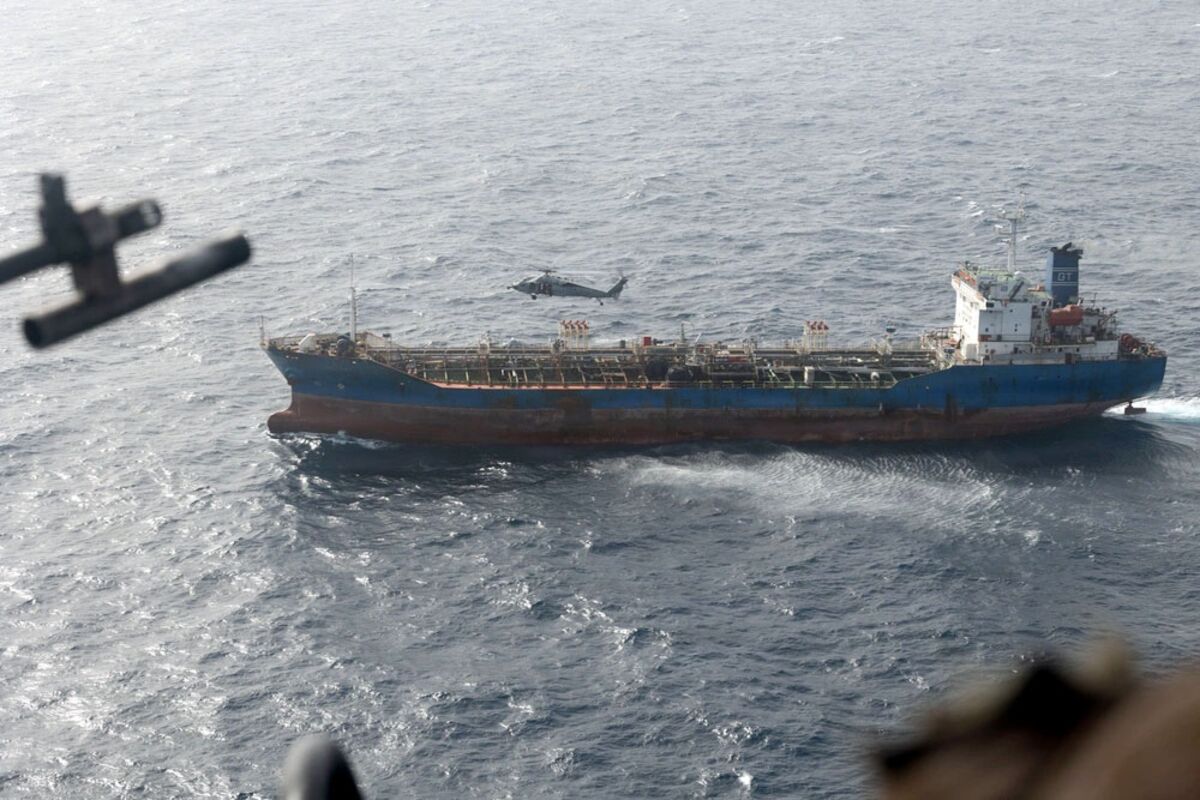
Iran’s Energy Export Challenges Amid U.S. Naval Presence
Iran has faced significant hurdles in moving its energy exports due to the ongoing U.S. Navy blockade. Recent reports indicate that approximately 80 million barrels of oil and petrochemical products have been unable to pass through the obstructed waters, severely impacting Iran’s ability to generate revenue from its vital oil industry.
U.S. Naval Blockade and Its Implications
The presence of the U.S. Navy in strategic regions has created a challenging environment for Iran’s energy sector. The blockade not only restricts export capabilities but also raises concerns about global oil supply chains. The inability to access international markets puts immense financial pressure on Iran, which relies heavily on these exports for its economy.
With such a substantial volume of oil stranded, Iran faces potential revenue losses that could amount to billions of dollars. These circumstances highlight the broader implications of international sanctions and naval operations, which aim to limit Iran’s economic reach.
Impact on the Oil Market
The current situation has stirred uncertainty in the global oil market. The blockage has caused a ripple effect, influencing oil prices and market dynamics. Traders are closely monitoring developments, as any shifts could impact supply levels and prices in other regions.
Moreover, the accumulation of stranded oil presents logistical challenges for Iran. The nation’s operational capacity to extract and refine oil remains intact, but the inability to transport these resources complicates its market strategy. Future negotiations and geopolitical discussions will likely focus on finding solutions to these export impediments.
Potential Solutions and Future Outlook
As the situation unfolds, Iran may explore various avenues to mitigate the effects of the blockade. One possibility is increasing efforts to reroute its shipments or engage in more clandestine operations to bypass U.S. naval forces. Additionally, Iran may seek partnerships with other countries to help navigate around these restrictions.
The future of Iran’s energy exports remains uncertain amid the geopolitical climate. Stakeholders in the region must remain vigilant and adaptive, as changes in policy or military strategy could create new pathways for energy distribution. The resilience of Iran’s oil sector will be tested as it confronts these continuing challenges.
In conclusion, the U.S. Navy’s blockade has left a significant mark on Iran’s energy export capabilities. With millions of barrels of oil stranded, the situation continues to evolve, influencing both local and global markets. The resolution of these challenges will depend largely on international diplomacy and the strategic actions taken by the Iranian government in the months ahead.