
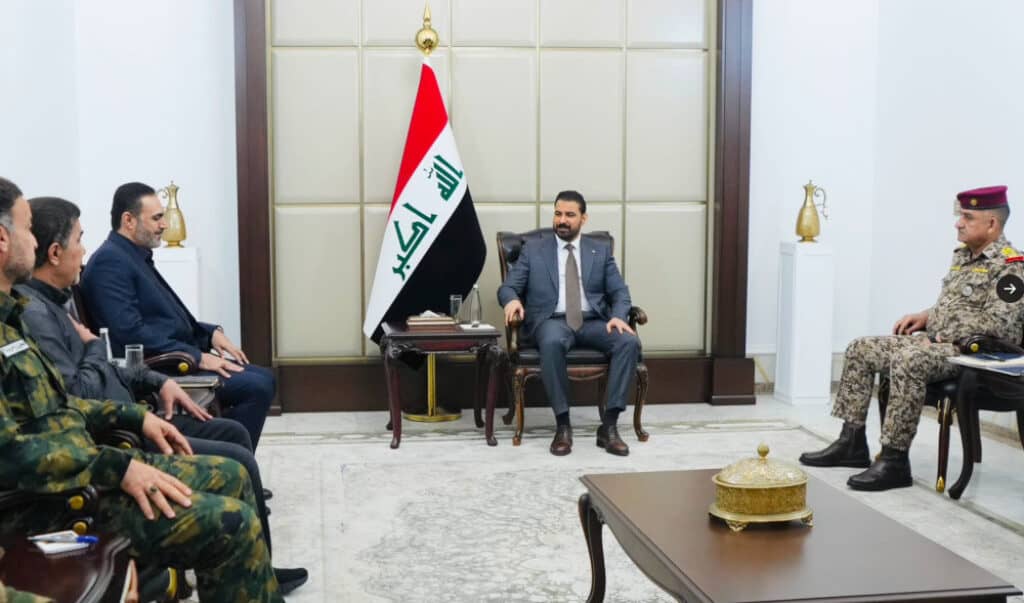
On June 3rd, Iraqi Prime Minister Ali al-Zaidi held a significant meeting in Baghdad with representatives from the Iranian-backed militias Asaib Ahl al-Haq and Kataib Imam Ali. This gathering highlights the complex relationships between the Iraqi government and various militia groups operating within the country.
Strengthening Ties with Iranian-Backed Militias
During this crucial meeting, Prime Minister al-Zaidi expressed gratitude to the leadership of these militias. He acknowledged their ongoing support, emphasizing the importance of their collaboration in maintaining stability in Iraq. Asaib Ahl al-Haq and Kataib Imam Ali play pivotal roles in shaping the security landscape, given their historical ties to Iran. As Iraq navigates the intricacies of its relationship with Iran, meetings like this could signal a continuation of warm relations between the government and these militias.
The Role of Militias in Iraqi Politics
Militias like Asaib Ahl al-Haq and Kataib Imam Ali have become influential players in Iraqi politics. Their involvement traces back to the fight against ISIS, allowing them to garner significant public support. Many Iraqi citizens view these groups as defenders of national sovereignty. However, their power has raised concerns over governance and the rule of law, as their actions sometimes contradict the principles of the central government. The balancing act between leveraging militia support for security and ensuring governmental authority remains a challenge for al-Zaidi.
Challenges Ahead for Iraq’s Government
As al-Zaidi continues to engage with Iranian-backed militias, he will face complex challenges. The delicate balance between maintaining security through these groups and ensuring the central government’s control is crucial. Discontent among segments of the population regarding militia influence could threaten the stability of his administration. Moreover, as the region continues to experience geopolitical tensions, the Iraqi government must be cautious about its decisions, which could impact its sovereignty and international relations.
A Focus on National Unity
In light of these complexities, al-Zaidi’s administration must prioritize national unity. Engaging with various factions while fostering an inclusive political environment is vital for Iraq’s long-term stability. Encouraging dialogue among different groups, including those outside the militia framework, could foster a sense of national identity and mitigate potential conflicts. This approach would not only enhance al-Zaidi’s legitimacy but also help solidify a more centralized governance structure that respects Iraq’s diverse demographics.
In conclusion, the meeting between Prime Minister Ali al-Zaidi and Iranian-backed militias is a reflection of Iraq’s intricate political landscape. As the government seeks to navigate these relationships, the emphasis on security, governance, and national unity will play critical roles in shaping the future of Iraq. Balancing support from powerful militias with the needs of a diverse populace presents unique challenges for al-Zaidi’s administration, but it is crucial for the ongoing effort to establish a stable and unified Iraq.