
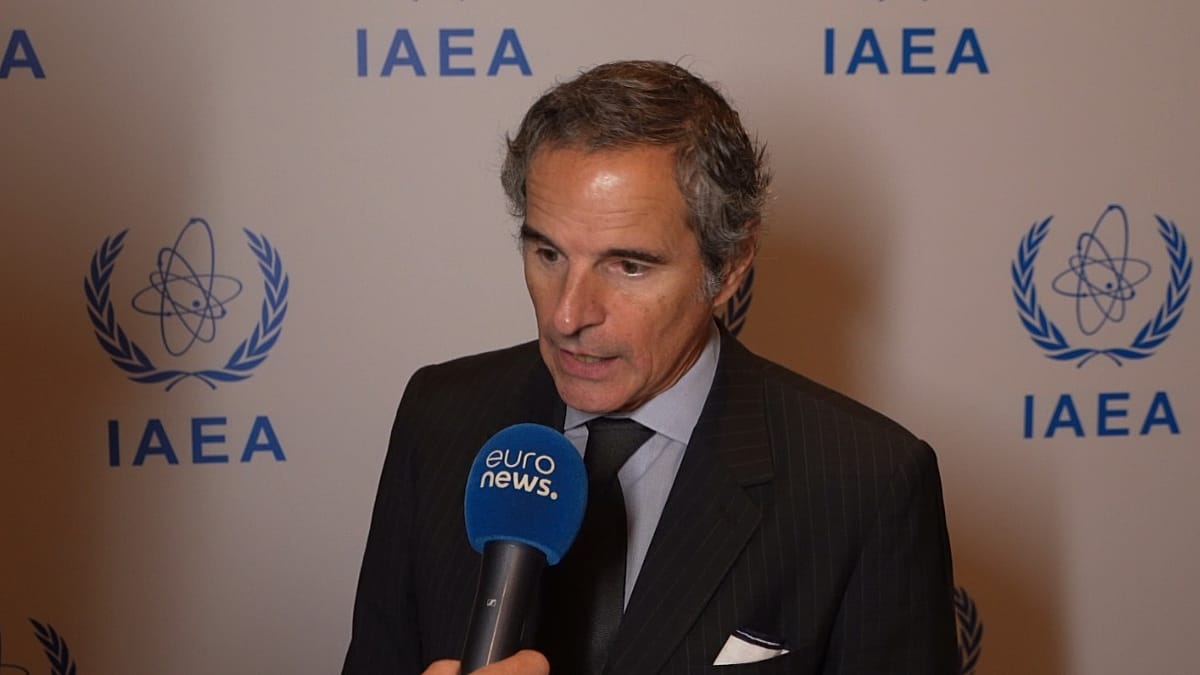
The recent drone strike on the Barakah nuclear power plant in the UAE has escalated concerns over nuclear safety on a global scale. Rafael Grossi, Director General of the International Atomic Energy Agency (IAEA), has indicated that this incident poses a more immediate threat than the troubled situation at Ukraine’s Zaporizhzhia nuclear facility, particularly because Barakah’s reactors were operating at the time of the attack.
Serious Concerns Over Nuclear Safety
During a recent visit to the site, Grossi labeled the drone attack an “extremely serious and irresponsible act,” shedding light on the substantial risks associated with targeting civilian nuclear infrastructure. He emphasized that nuclear power plants house significant amounts of radioactive material, which, if mishandled, could lead to catastrophic radiological accidents with far-reaching consequences. Unlike Zaporizhzhia, where the reactors have been in a state of cold shutdown since late 2022, Barakah was actively generating power during the attack, amplifying the potential danger.
The backdrop of this incident is particularly troubling; since early 2022, Russian forces have maintained control over the Zaporizhzhia nuclear facility, which has been embroiled in a series of safety crises due to military conflicts in the region. The IAEA has established a permanent monitoring presence at Zaporizhzhia, reaffirming the delicate nature of the situation, although it is currently in a non-operational state. In stark contrast, Barakah’s operational status at the time of the drone strike raises alarms about the vulnerabilities in the UAE’s nuclear safety protocols.
International Law Under Threat
UAE officials quickly condemned the drone strike as a serious escalation that violates international law. Hamad Alkaabi, Deputy Chairman of the Board of Management of the Federal Authority for Nuclear Regulation, underscored that attacking a nuclear site is universally recognized as a significant breach, given the potential consequences, including radiation exposure to the public. Alkaabi pointed out that international humanitarian laws explicitly prohibit attacks on operational nuclear facilities, making this incident particularly alarming.
He also stated that years of investment in safety measures and training had ensured that Barakah remained secure throughout the ordeal. Fortunately, there were no indications of radiation release or system failures, demonstrating the effectiveness of established emergency protocols. Both Grossi and Alkaabi emphasized the importance of preparedness and international cooperation in addressing such unprecedented challenges.
Effective Response and Future Implications
Despite the grave nature of the attack, both officials commended the swift and professional response from the Barakah operators and national regulators. Grossi lauded the quick activation of special procedures to mitigate the situation, while Alkaabi explained that ongoing cooperation with international partners, including the IAEA, has fortified the plant’s safety measures.
Alkaabi also mentioned that the incident serves as a wake-up call for the nuclear industry, emphasizing the necessity of planning for unconventional threats, such as a targeted attack on a nuclear power source. The countries involved are now uniting to turn this episode into a learning experience for improving protocols in nuclear safety and security.
The UAE’s decision to address this matter with the IAEA rather than escalate tensions is noteworthy. Grossi praised the UAE for its measured approach, highlighting that the nation’s commitment to international dialogue reflects responsible governance. The situation will be discussed in an upcoming special session of the IAEA Board of Governors, where transparency and open communication will be paramount in navigating this serious issue.
Located in the Al Dhafra region of Abu Dhabi, Barakah stands as the Arab world’s first operational nuclear power plant and among the largest globally. The implications of this drone attack will likely resonate far beyond the region, prompting the international community to reassess its nuclear safety frameworks and response strategies.