
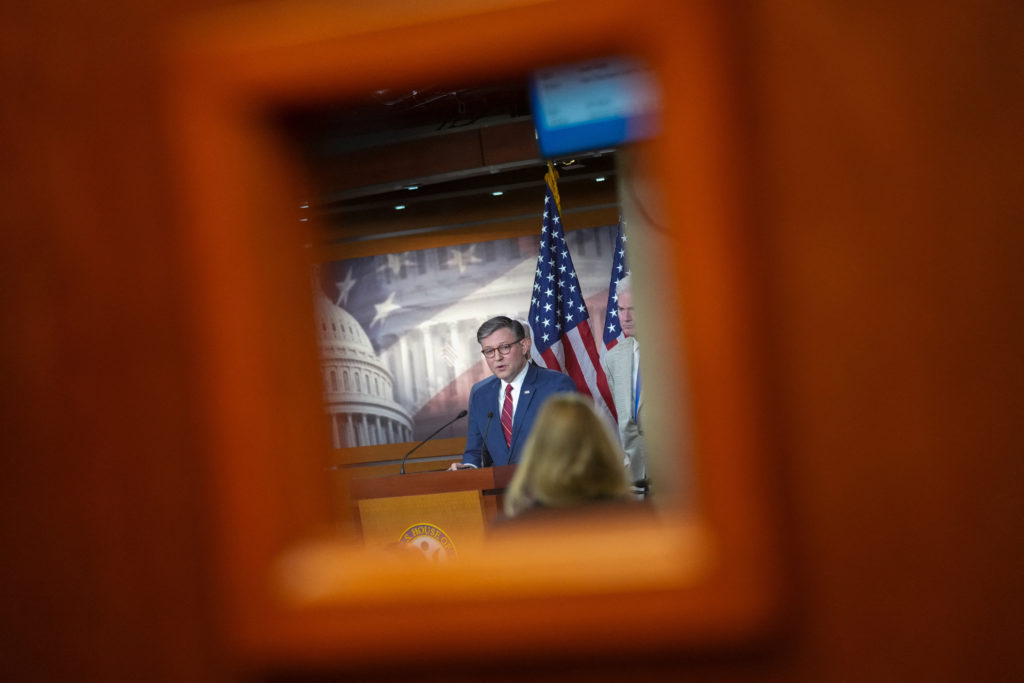
The U.S. House of Representatives is set to cast a vote aimed at halting military operations against Iran, possibly defying President Trump’s wishes. This decision comes amidst growing bipartisan concern over the ongoing conflict that has significantly affected both domestic and international politics. As Democrats call for an end to what they refer to as a “reckless and costly war,” some members of the Republican party appear willing to cross party lines to support this initiative.
Growing Bipartisan Opposition
The impending vote to limit military action against Iran represents the fourth attempt by the House to rein in U.S. engagement in the region. Recently, the Senate passed a similar war powers resolution, indicating that dissent against Trump’s military strategy is increasing within his own party. Each attempt to curb the war has seen rising support, reflecting a growing unease over the conflict and its ramifications. President Trump had promised to focus on domestic issues during his campaign, but the prolonged war has rekindled attention on U.S. involvement in the Middle East.
House Speaker Mike Johnson has made efforts to prevent a significant outcome that might illustrate the mounting opposition to the war, previously halting discussions on the matter. Nevertheless, the pressure on both Congress and the White House continues to build as the conflict persists. House Democratic Leader Hakeem Jeffries criticized the ongoing military engagement, calling for the immediate end of the war, which has already cost American taxpayers over $100 billion.
The Impact on Domestic Issues
The ramifications of the war extend beyond just international conflict; it has contributed to inflationary pressures in the U.S., most notably spiking gas prices that burden consumers. Amid rising costs, Americans are feeling the strain on their wallets, directly linking these challenges to ongoing military operations. The U.S’s involvement has not only escalated tensions in the region but has also negatively impacted the country’s economic stability at home.
Despite the declaration of a ceasefire in April, uncertainty remains about the future of peace in the region. Discussions around a lasting resolution face complications due to escalating hostilities involving Iran and groups like Hezbollah in Lebanon. While military strikes continue, the outlook remains bleak, prompting calls for political action to avoid further entanglement in conflicts that distract from pressing domestic concerns.
Congressional Power and Military Engagement
If the House approves the war powers resolution, it will symbolize a significant legislative stance against further military action, although it won’t end existing operations immediately. The resolution would head to the Senate for consideration, where previous support from some Republican senators indicates a willingness to reevaluate the U.S. military strategy.
In addition to addressing the Iran situation, Congress is taking multiple actions related to national security, including another vote that would provide support for Ukraine amidst its conflict with Russia. The current landscape highlights a constitutional debate, as Congress holds the power to declare war, while the president can act as commander-in-chief, leading to discussions on which branch of government has the ultimate authority over military decisions.
As the conflict evolves, questions about the legality and morality of U.S. military engagement continue to arise. The War Powers Act requires the administration to seek congressional approval for military actions within a certain timeframe, but the current administration argues that the situation is classified as a ceasefire, complicating matters further.
Amidst complex geopolitical dilemmas, the House’s actions signal a recognition of the war’s impact on both American lives and foreign relations, marking a crucial legislative moment as Congress grapples with its role in war and peace decisions.