
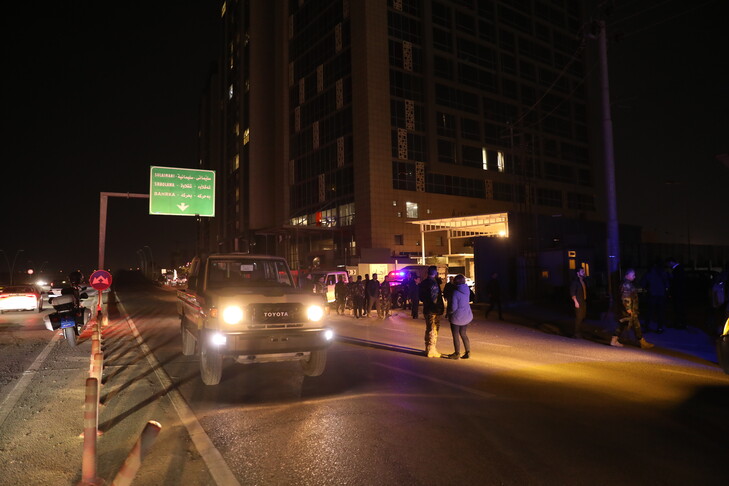
On June 3, 2026, tensions in the Middle East intensified as a separatist group accused Iranian forces of launching missile strikes on their headquarters in Iraq’s Erbil province. This incident underscores the ongoing geopolitical strife in the region, particularly between Iran and various opposition factions.
Details of the Missile Strike
Reports indicate that the Komala group, which operates in northern Iraq, claimed that two Iranian missiles hit its facilities located in the Alana Valley area. The group’s leader informed local media that while the strikes caused significant material damage, fortunately, there were no reported casualties. This incident highlights the fragile security situation in the region and raises concerns about the continued use of military actions in addressing political dissent.
The Komala Group and Its Designation
The Komala group, which advocates for Kurdish rights, is classified as a terrorist organization by the Iranian government. Its history is marked by conflict and resistance against Tehran’s policies, particularly regarding the treatment of Kurdish individuals in Iran. The group’s operations often draw attention to the complexities of national identity and the struggles of ethnic minorities in the region, making it a focal point in Iranian-Kurdish relations.
Escalating Regional Tensions
Tensions in the Middle East have been on the rise since late February when a series of airstrikes conducted by the United States and Israel resulted in the deaths of over 3,000 individuals. Among the casualties were Iran’s Supreme Leader, Ayatollah Ali Khamenei, as well as several senior military figures and government officials. This wave of violence not only destabilized the Iranian leadership but also set the stage for retaliatory actions that have further fueled the conflict involving various militant groups and state actors.
Challenges of Ceasefire Agreements
A ceasefire brokered by Pakistan came into effect on April 8, yet efforts to establish a more comprehensive peace agreement have so far proven unsuccessful. The ongoing hostilities reflect deep-rooted grievances and political rivalries, making lasting peace a challenging goal. As both international and regional players navigate this complex landscape, the potential for escalatory actions remains high, further complicating an already volatile situation.
In summary, the missile attack attributed to Iran not only illustrates the ongoing conflict involving the Komala group and the Iranian state but also signals the fragility of peace in the broader Middle East context. With various political and militant entities operating across borders, the prospects for stability appear bleak, necessitating urgent dialogue and resolution efforts.