
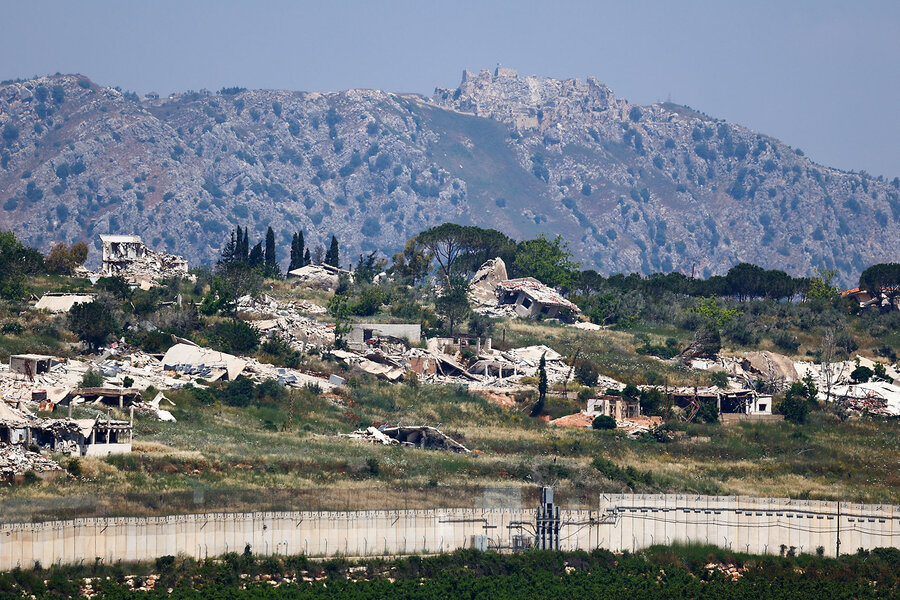
Beaufort Castle, an impressive structure with nearly 900 years of history, stands as a formidable symbol amid the rolling hills and valleys of southern Lebanon. Recently, it has once again caught international attention as the Israeli military regained control of the castle for the first time since its withdrawal from Lebanon 26 years ago. This event is not just a military maneuver; it also has deep historical and political implications for the region.
The Historical Context of Beaufort Castle
The recapture of Beaufort Castle serves as a poignant reminder of Israel’s longstanding military engagement in Lebanon. Prime Minister Benjamin Netanyahu hailed the operation as a testament to Israel’s military strength and commitment to its security. He emphasized plans to counteract Iran-supported Hezbollah forces, echoing sentiments from earlier conflicts. The castle was originally seized during the 1982 invasion of Lebanon, where the Golani Brigade bravely launched an operation to capture the fortress. This landmark event holds layers of significance, both militarily and symbolically, but it illustrates the complexities of Israel’s military endeavors in the region.
Despite the perceived success of the recent capture, history tells a more nuanced story. In 1982, the significance of capturing Beaufort was largely symbolic. While it provided a strategic vantage point—over 2,000 feet above sea level—it was less critical in the larger scope of the Israeli invasion, which aimed to reach Beirut and reshape Lebanon’s political landscape. The initial order to capture Beaufort was even rescinded shortly after the invasion began, only to be mistakenly carried out. This reflects the chaos and miscommunication that often accompany military operations.
The Broader Implications for Israeli Security
Netanyahu’s optimistic assessment, however, overlooks the complexities and challenges faced by Israeli forces in Lebanon. Although military superiority can secure immediate victories, it does not guarantee long-term security or political stability. The previous Israeli occupation, lasting nearly two decades, did not eliminate threats; rather, it gave rise to new adversaries, most notably Hezbollah. This group leveraged the political landscape in southern Lebanon, gaining strength and capability that presented ongoing challenges to Israeli military operations.
The idea of establishing a “security zone” in the region may resonate with past strategies, but it raises questions about its efficacy. The previous zone was characterized by frequent hostilities and attacks on Israeli forces stationed in Lebanon, with Beaufort often a target. Current tensions indicate that the situation could quickly revert to similar patterns. Hezbollah, now armed with advanced technology and drones, poses a significant challenge to Israeli security, reminiscent of the difficulties faced by troops stationed at Beaufort in previous years.
The Cultural Reflection and Future Prospects
The struggle for control over Beaufort is more than just a military concern; it is woven into the fabric of Israeli culture and memory. The Oscar-nominated film “Beaufort” vividly captures this intricate history and the toll that such military engagements take on soldiers and civilians alike. Joseph Cedar, the film’s director, expressed dismay over the welcoming attitude toward the current military presence at the castle. He suggests that risking lives for a repeat of past errors would be a “futile waste.”
As Israel seeks to fortify its presence in southern Lebanon once again, the lessons of history become essential. The aspiration for peace and security is undermined by the persistent cycles of violence that characterize the region. Returning to Beaufort may symbolize strength in the short term, yet the long game will ultimately depend on diplomatic resolutions rather than just military might. Ultimately, understanding the multilayered significance of this historic site is crucial for anyone following the ongoing dynamics in Lebanon and the broader Middle East.