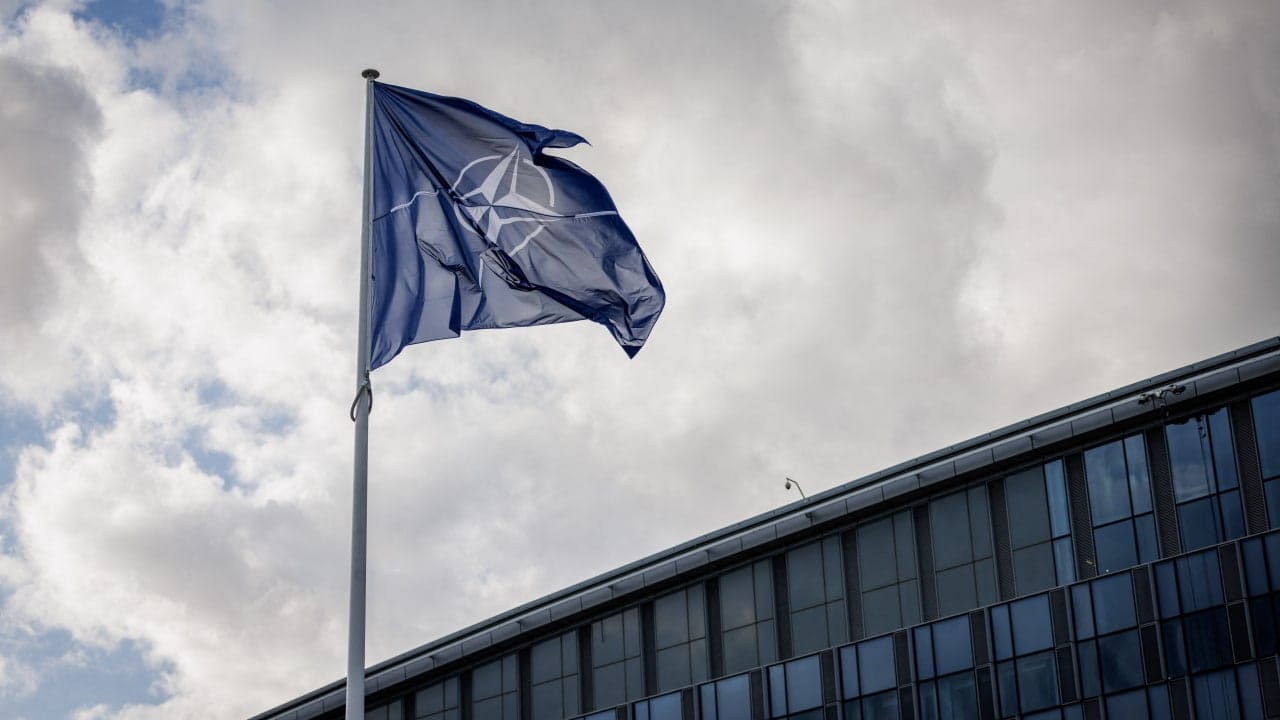
US President Donald Trump is set to participate in the upcoming NATO summit scheduled for early July in Turkey. This announcement was made by US Secretary of State Marco Rubio, who indicated that Trump’s attendance would likely ease concerns among NATO member states, reaffirming the United States’ commitment to the alliance.
### Uncertainty Surrounding Attendance
Traditionally, sitting U.S. presidents attend NATO summits, reflecting America’s leadership role within the organization. However, Trump’s previous frustrations with NATO have raised questions this year. He has publicly criticized the alliance for its perceived lack of support regarding the conflict in Iran, suggesting that some members are reluctant to render necessary military assistance.
### Concerns Over Military Support
During a congressional hearing, Rubio highlighted Trump’s specific grievances, noting that several NATO nations had denied the U.S. access to military bases within their borders when support was crucial. Despite these differences, Rubio confirmed that Trump would be attending the NATO meeting, signaling that dialogue and negotiation remain priorities.
### Importance of the Upcoming Summit
Marco Rubio emphasized the significance of the July NATO summit, describing it as potentially one of the most crucial meetings in the alliance’s history. Key issues are expected to be addressed, including military cooperation and member states’ contributions. The discussions are anticipated to clarify the U.S. position and its expectations from alliance partners, especially in light of the ongoing tensions with Iran.
### Changing Dynamics Within NATO
The frequency of NATO summits has varied throughout its 77-year existence, but since 2021, there has been a consistent yearly gathering. This year’s summit will take place in Ankara on July 7 and 8. Notably, it’s been reported that the alliance may reconsider the annual meeting format going forward, possibly to mitigate tensions related to Trump’s final year in office.
### Member Nations’ Hesitation
Several NATO allies have displayed reluctance in supporting the U.S. military efforts against Iran, sometimes barring American military planes from using their airspace or withholding naval forces needed to secure vital shipping routes. European leaders have been particularly cautious about becoming embroiled in conflicts that are complex and unpopular among their domestic populations, leading to a fraught relationship within the alliance.
### Trump’s Ongoing Critique of NATO
Trump has frequently labeled NATO a “paper tiger,” expressing discontent over the perceived lack of support from European partners while demanding stronger commitments. His allegations have included claims that U.S. allies rely heavily on American security assurances but fail to contribute adequately to the shared defense efforts, particularly in light of the U.S.-Israeli military engagements.
As the July summit approaches, stakeholders within NATO will be observing closely how these discussions unfold, particularly regarding military cooperation, defense spending, and overall commitment to the alliance. The outcome of this meeting could pave the way for a clearer path forward in U.S.-NATO relations.