
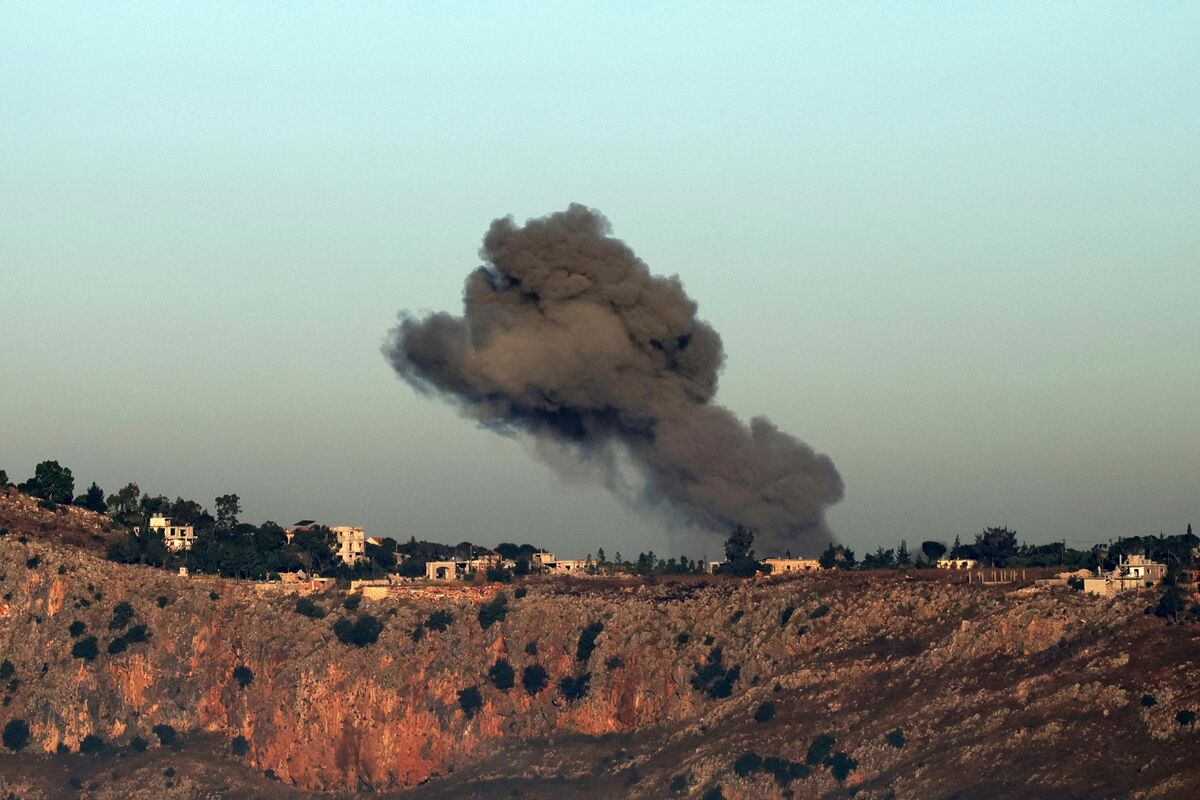
Iran recently announced that little to no advancement has been made in discussions with the United States regarding an interim peace agreement. Meanwhile, the situation in Lebanon remains tense, with ongoing conflict despite a ceasefire declaration from Washington between Israel and Lebanon.
Stalled Negotiations Between Iran and the US
The diplomatic talks aimed at establishing an interim peace deal between Iran and the United States have apparently hit a standstill. Iranian officials expressed frustration over the lack of progress, underscoring the complexities and challenges that characterize U.S.-Iran relations. These negotiations are critical not only for bilateral relations but also for regional stability in the Middle East. Experts speculate that the stagnation may be due to various factors, including differing political agendas and external pressures influencing both nations’ strategies.
The potential for a significant breakthrough in these discussions could shape the future of diplomatic relations between Iran and the U.S. as well as impact the broader geopolitical landscape. However, without renewed engagement and willingness to compromise, the prospects for a peace agreement appear grim. Markets and analysts are closely watching the developments, as any shifts might have considerable implications for oil prices and international security.
Continuing Conflict in Lebanon
Despite the U.S. announcing a ceasefire between Israel and Lebanon, fighting continues to erupt in various regions, highlighting the fragility of the situation. The ongoing violence has raised serious concerns among regional stakeholders and international observers about the effectiveness of the ceasefire and the true intentions of both parties involved. The situation remains fluid, with reports of skirmishes that contradict the supposed cessation of hostilities.
Lebanon has been facing multiple challenges, including political instability and economic turmoil, which exacerbate the complex dynamics of the conflict. The country’s fragile infrastructure and societal divisions make it particularly vulnerable to external influences and internal strife. As the situation unfolds, it’s crucial for international powers to consider implementing effective measures to stabilize Lebanon and support diplomatic efforts for lasting peace.
The Role of International Influences
International actors play a significant role in shaping the events in the Middle East, especially regarding the conflict in Lebanon and ongoing negotiations between Iran and the U.S. The involvement of various countries and international organizations can either facilitate dialogue or exacerbate tensions. The influence of regional allies and adversaries adds another layer of complexity, often affecting the strategies and positions of both Iran and the United States.
Understanding these dynamics is essential for policymakers aiming to cultivate a peaceful resolution to current conflicts. As the U.S. navigates its relationships in the region, maintaining open channels for discussion with Iran will be critical. Ultimately, the hope for any long-lasting peace in Lebanon and effective negotiations with Iran rests on mutual understanding and a commitment to dialogue, rather than continued hostility and conflict.
In conclusion, the situation remains precarious for both Lebanon and the U.S.-Iran negotiations. A concerted effort by international actors and a willingness by both Iran and the U.S. to engage in meaningful dialogue are essential for achieving a stable and peaceful resolution to these pressing issues in the region.