
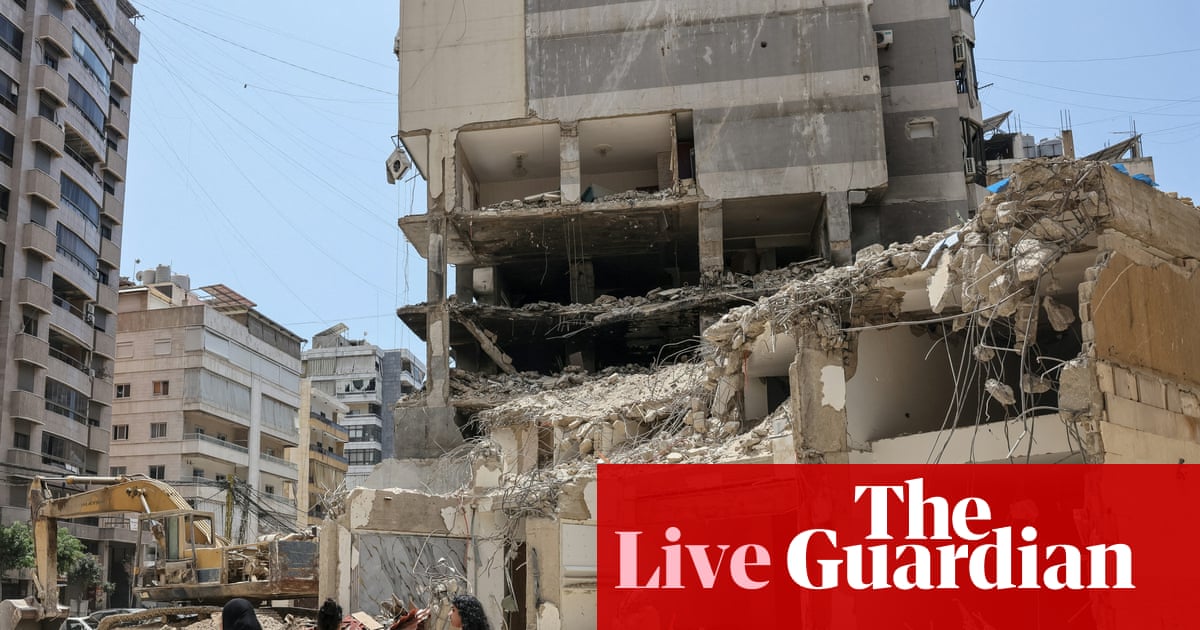
In an ongoing escalation of hostilities between Israel and Lebanon, the Israeli defense minister Israel Katz announced that military operations in southern Lebanon will continue, despite a recent U.S.-backed ceasefire agreement meant to halt the conflict. This announcement reflects a complex geopolitical landscape where military actions persist even amidst diplomatic efforts aimed at establishing peace.
Israeli Defense Forces’ Stance on the Ceasefire
Katz stated that the Israel Defense Forces (IDF) would not withdraw from strategically important areas, particularly Beaufort Castle, and made it clear that returning populations to their homes was not a consideration at this time. The IDF plans to maintain its ground operations and military presence in a designated security zone along the Lebanon border. In his statement, Katz underscored the IDF’s intention to dismantle terrorist infrastructure while ensuring ongoing military responsiveness. This includes the capability to strike back in Beirut should there be renewed attacks on Israeli territories.
In addition, the IDF advised civilians to remain vigilant and avoid travel south of the Zahrani River, indicating that fighting would continue and urging people to prioritize their safety. Recent reports from Lebanon’s National News Agency indicate multiple casualties due to Israeli strikes in areas such as Tyre and Nabatieh, highlighting the ongoing dangers for both military personnel and civilians caught in the conflict.
Conditional Ceasefire Terms and the Role of Hezbollah
The ceasefire agreement reached between Israel and Lebanon hinges on the complete cessation of hostilities from the Hezbollah militia. According to announcements following discussions in Washington, the truce mandates the evacuation of all Hezbollah operatives from regions south of the Litani River. The Lebanese army is expected to take control of these zones. However, Hezbollah has firmly opposed the ceasefire, declaring that it will not comply with any agreements that may emerge from these negotiations, thus casting doubt on the sustainability of the truce.
Tensions escalated further when Hezbollah officials made unequivocal claims that they would not accept a partial ceasefire. This adds another layer of complexity to an already fragile situation, as the militia’s stance could undermine any potential for lasting peace or security in the region.
Implications for Oil Prices and Broader Geopolitical Context
The regional instability has already had economic repercussions, including fluctuations in oil prices. Following the announcement of the ceasefire, oil prices experienced a brief dip, but tensions related to attacks on Kuwait due to Iranian drone and missile strikes have caused them to rebound sharply. Iran’s Revolutionary Guard recently denied targeting Kuwait’s airport, instead blaming U.S. interceptor missiles for any destruction, showcasing the convoluted narratives from both sides.
These developments occur against the backdrop of ongoing U.S. negotiations with Iran, which are described as having no significant breakthroughs to date. President Donald Trump suggested recent negotiations are proceeding positively, raising the prospect of a breakthrough soon. Ultimately, the intertwined fates of military actions, ceasefire negotiations, and international diplomacy reveal a deeply complex geopolitical situation that remains highly unpredictable.
As the more extensive implications of these events continue to unfold, only time will tell how they will shape the future of Israeli-Lebanese relations and the broader Middle Eastern landscape.