
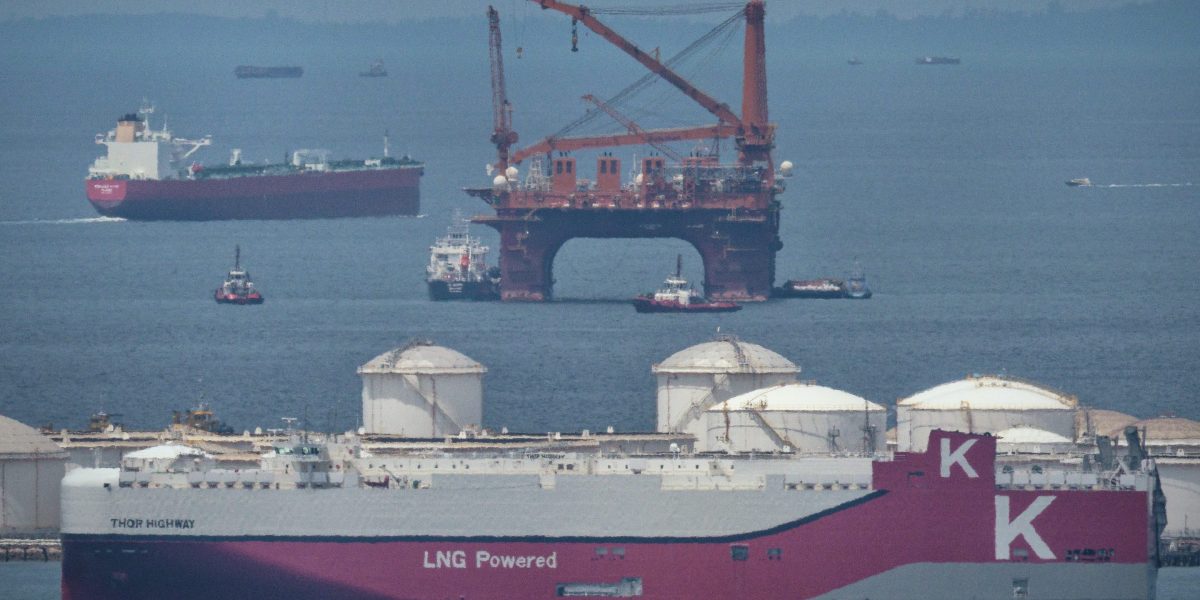
The shifting dynamics of global energy supply are profoundly impacting Asia, especially amid the ongoing disruptions to Middle Eastern oil and gas resources. As Asian nations grapple with their energy needs, they are increasingly recognizing the importance of U.S. natural gas. Emphasizing energy security over ambitious environmental goals, Asian energy leaders are calling for a strategic pivot towards American gas supplies.
Asian Energy Transition
Puah Kok Keong, CEO of Singapore’s Energy Market Authority, underscores the interconnectedness of the region’s energy challenges. He stated, “It is not feasible to tackle our energy issues alone,” highlighting the shared struggles among various Asian countries. In response to these challenges, a delegation from Singapore recently visited Texas, engaging with major players in LNG exports, including Cheniere Energy, Exxon Mobil, and Chevron. With over 90% of Singapore’s electricity generated from natural gas imports—including liquefied natural gas (LNG)—the nation is deeply committed to diversifying its energy sources, particularly in light of ongoing supply disruptions, including a significant drop in gas supplies from Qatar since early March.
Singapore’s extensive oil-refining infrastructure also serves as a critical hub for neighboring countries that depend on its output for various fuels. Despite the uncertainties in the Middle East, officials like Puah assure that current refinery exports will mitigate panic in the U.S., especially on the West Coast, as Singapore fortifies its role as a key energy provider.
U.S. as an Energy Leader
The United States is rapidly evolving as a dominant force in global energy sourcing, with projections indicating that U.S. natural gas production could double between 2015 and 2032. The country’s LNG export capacity is set to quadruple in that same timeframe. Wolfgang Moehler, an energy director at S&P Global, notes that nearly 50% of U.S. gas demand will be concentrated in Texas and Louisiana, the heart of America’s LNG export operations. This shift is allowing nations like Singapore to rely heavily on U.S. supplies as part of their energy security strategy.
Following last year’s establishment of Singapore GasCo, which centralizes gas procurement for the nation, Singapore is now in a strong position to ensure a stable energy supply. The new framework enables the country to stockpile sufficient LNG, ensuring energy stability even if the Strait of Hormuz encounters further disruptions. Goh Tiak Boon, GasCo’s chief commercial officer, points out the necessity of having robust strategic reserves in light of recent geopolitical events affecting global energy supplies.
Reevaluating Energy Security
This trend is not limited to Singapore; other regions are reassessing their energy strategies. For example, Japan’s power producer JERA sources about 30% of its energy from LNG and has also increasingly relied on U.S. gas. James Tinsley, JERA’s chief commercial officer, highlights how U.S. gas production has exceeded expectations, continuing to remain cost-effective.
However, rising spot prices for global LNG shipments since the onset of the conflict in Iran have raised concerns. Countries may be tempted to revert to coal, as seen with developments in Thailand, which is constructing new coal plants. In panel discussions involving major oil firms, Chevron’s vice president Rob Nunmaker emphasized the importance of understanding real energy demands over aspiring to idealistic energy scenarios.
U.S. companies are thus focusing on pragmatic multi-source approaches, steering away from purely utopian renewable energy goals. This strategy aligns with the recognition that energy security must remain flexible and diverse, particularly in unpredictable global situations. By continuing to invest in LNG capacity and developing more inclusive energy approaches, nations can better safeguard themselves against future disruptions in an ever-evolving global energy landscape.