
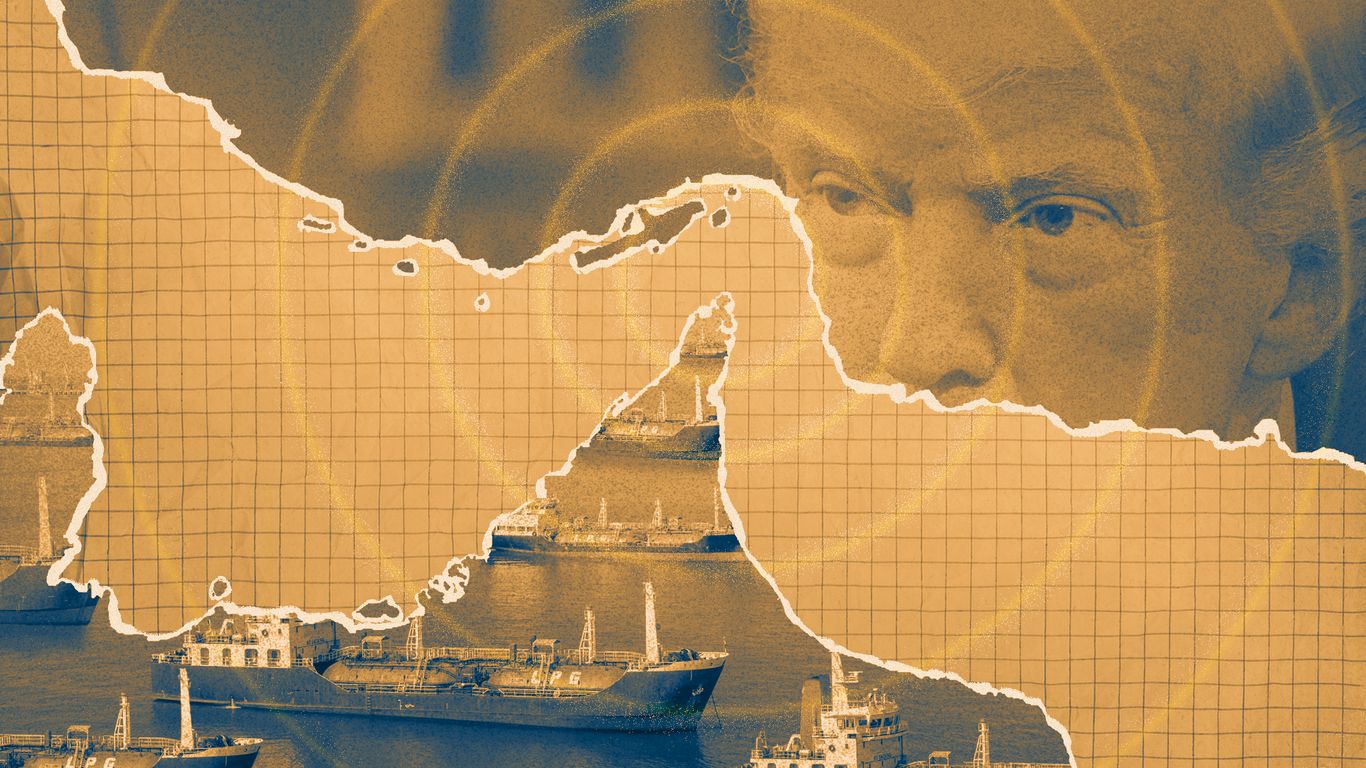
The dynamics of energy markets have profound implications for global economies, particularly concerning employment and inflation. As countries grapple with shifting energy supplies, central banks must navigate the complex landscape of inflation and economic stability. A recent analysis sheds light on how energy disruptions may be influencing job markets while reshaping the priorities of monetary policy.
Energy Disruptions and Job Markets
While energy supply issues have historically raised concerns about unemployment, recent data suggests that disruptions may no longer signal significant job losses. Improved energy efficiency and diversification of energy sources have contributed to a more resilient job market. The transition to renewable energy, in particular, is creating new employment opportunities, thereby offsetting potential job losses from traditional energy sectors. As economies adapt, businesses become more agile, lessening the likelihood that energy crises will translate into widespread layoffs.
Stagflation vs. Inflation Pressures
Historically, during periods of energy crunches, central banks have been wary of stagflation—a combination of stagnant economic growth and high inflation. However, if the job market proves resilient, the focus for policymakers may shift. Instead of merely preventing stagflation, central banks will need to become vigilant against renewed inflationary pressures. This transition means carefully assessing the balance between economic growth and rising prices as they implement monetary policies.
The Role of Central Banks
Central banks play a pivotal role in maintaining economic stability and controlling inflation through interest rate adjustments and open market operations. In a scenario where energy disruptions have a muted effect on employment, these institutions may find themselves recalibrating their strategies. The potential for rising energy prices could provoke a need for tighter monetary policy. As such, the responsibility of forecasting and mitigating inflation risks takes on new urgency amidst changing energy dynamics.
Looking to the Future
As the world navigates through uncertain energy landscapes, the evolution of job markets and inflation rates will continue to capture the attention of economists and policymakers alike. The outcomes of these shifts will hinge on various factors, including technological advancements in energy production, changes in consumer behavior, and geopolitical developments that may impact supply chains. Overall, businesses and central banks alike must remain vigilant to adapt their strategies for a complex and ever-changing economic environment.
In conclusion, the interplay between energy disruptions and economic factors like job retention and inflation is becoming increasingly intricate. While traditional concerns over unemployment linked to energy crises appear to be less pressing, the challenges for central banks have evolved. The need to manage inflation risks becomes paramount, necessitating a proactive approach to monetary policy as markets continue to adapt to new realities. Through prudent governance and strategic foresight, policymakers can navigate this evolving landscape to foster a stable economic future.