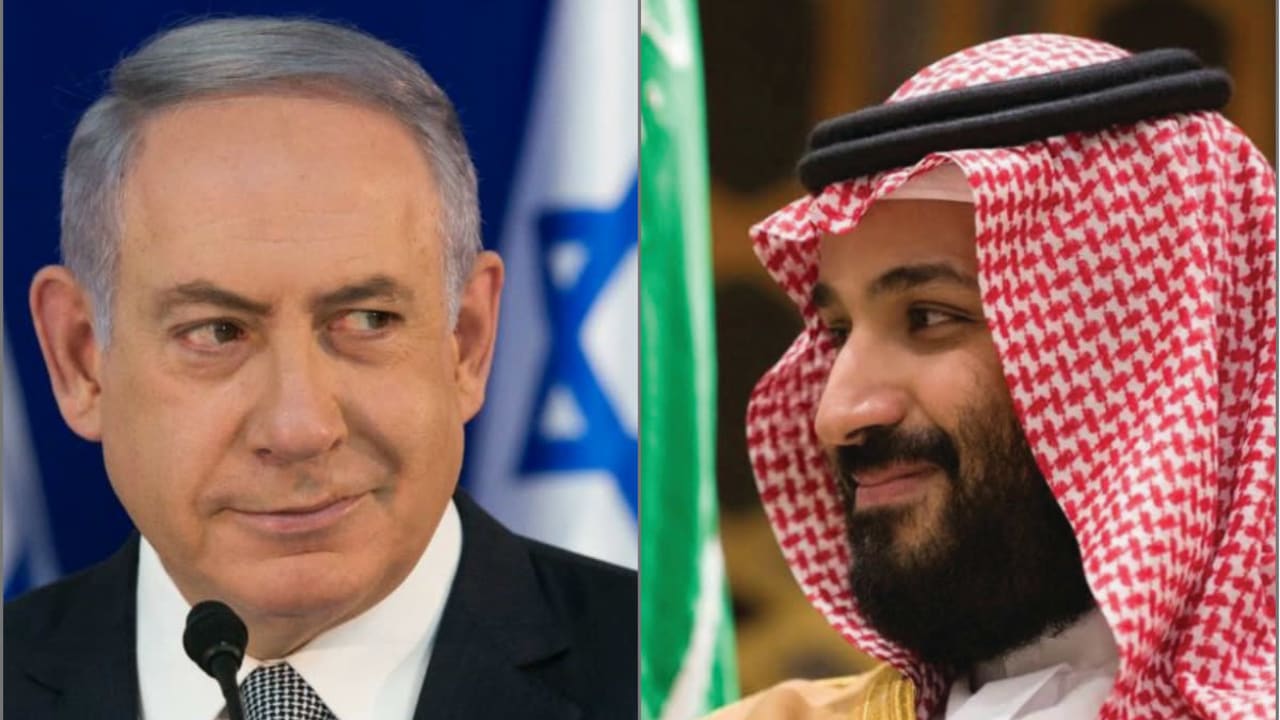
In times of turmoil in the Middle East, Saudi Arabia often emerges as a key diplomatic player. Historically, the kingdom has taken significant steps toward fostering regional stability and promoting peace initiatives in the face of crises. Its proactive stance was evident during critical periods, like in 1981 and 2002, when the nation introduced substantial peace proposals amid regional upheavals.
Saudi Arabia’s Historical Role in Peace Initiatives
In 1981, Crown Prince Fahd presented a peace framework against the backdrop of the Iranian Revolution and the Iran-Iraq War. Two decades later, Crown Prince Abdullah revived this tradition with the Arab Peace Initiative during escalated tensions from the second Palestinian Intifada and the aftermath of the 9/11 attacks. This initiative aimed to offer Israel full normalization of relations in exchange for its withdrawal from occupied territories and the establishment of a Palestinian state.
Currently, the Middle East finds itself once again in a state of volatility. The recent conflict in Gaza has dramatically altered the political landscape. Furthermore, tensions with Iran have become more pronounced, highlighting vulnerabilities throughout the Gulf region. Domestic changes are also unfolding in Lebanon and Syria. In this complex environment, while the United States remains crucial, its role as the sole architect of order is being questioned.
Current Crises: A Catalyst for Diplomatic Activity
Historically, moments of crisis have prompted Saudi Arabia to take diplomatic action. The existing conditions are ripe for a new Saudi initiative, but any forthcoming actions are likely to diverge from past practices. Unlike before, the kingdom will not merely resurrect previous proposals; it appears prepared to innovate and adapt its approach to current realities.
The Arab Peace Initiative is still referenced in the region, suggesting its enduring relevance. It represents an unprecedented offer: normalization with Israel tied to specific conditions regarding Palestinian statehood. However, the dynamics have evolved significantly, complicating the already intricate landscape of negotiations. Normalization has gradually begun among various Arab states, often independent of Saudi involvement, further diluting the compelling nature of the original initiative.
Saudi Arabia’s Normalization Challenge
The ongoing Gaza conflict foregrounds the Palestinian issue once more, infusing it with urgency rather than abstract diplomacy. For Saudi Arabia, maintaining its position within the Islamic world hinges on its handling of this matter. Any move towards normalization must contend with growing political costs, particularly in light of public sentiment across the region.
Additionally, the rising tensions with Iran complicate the normalization narrative. While the need for strategic alignment against a common adversary may necessitate cooperation with Israel, the potential for public backlash makes such alignment precarious. Gulf states, including Saudi Arabia, are weighing the benefits of deterrence against the risks of becoming entangled in broader geopolitical conflicts.
In this context, Saudi Arabia’s approach to normalization is evolving. The nation historically leaned towards gradual, conditional engagement rather than outright agreements, as seen in the Abraham Accords. This reluctance reflects a strategic maneuvering intended to carefully manage risk and maintain flexibility. Instead of committing to a sweeping normalization, Saudi Arabia may opt for a phased approach that connects limited cooperation with tangible progress in addressing the Palestinian issue.
As the region grapples with multiple pressures, the potential for Saudi diplomacy is significant. A fresh Saudi initiative would not only enhance its standing in the Arab world but also reframe the existing diplomatic landscape. This initiative would likely draw upon a broader regional framework that incorporates security concerns alongside political negotiations, potentially revitalizing the discourse that surrounds the Arab Peace Initiative.