
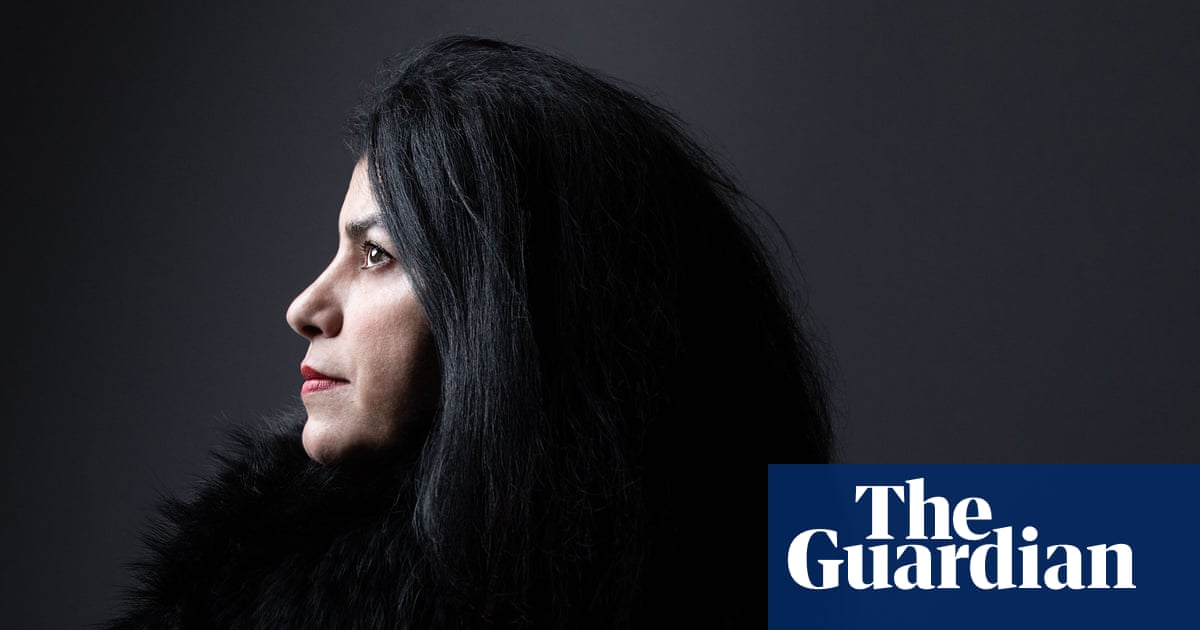
Marjane Satrapi has passed away, leaving a profound void felt by many, especially among Iranian women who resonate with her experiences. Described by those close to her as having died “of sadness,” her loss is not unexpected in a society shaped by deep sorrow and resilience. Satrapi’s ability to articulate the complexities of her identity and the struggles of her people was unparalleled.
Satrapi: A Voice for the Voiceless
For those of us who share similar backgrounds—growing up as girls in 1980s Iran and moving to the West—Marjane Satrapi served as an essential voice reflecting our collective trauma. Her graphic memoir, Persepolis, profoundly illuminated our experiences, giving articulate form to the shame and repression we faced while simultaneously recognizing our strength and outspokenness. During our 20s and 30s, her work helped us communicate our unique narratives to Western audiences, bridging cultural divides we often felt too vast to overcome.
Before Persepolis came into my life in 2003, I grappled with the notion that my struggles with assimilation and identity were singular. Satrapi encapsulated the nuances of my experience with astonishing clarity. With a few strokes of her pen, she brought to life the familiar objects of a Persian household, the complexities of family dynamics, and the conflicting emotions of youth caught between rebellion and fear. Her poignant portrayal of a nation in turmoil showed that one could convey the weight of grief and loss in the space of a single image.
From Iran to the World
Born in Rasht in 1969, Satrapi experienced a childhood marred by the 1979 Iranian Revolution and the ensuing tumult. The impact of political upheaval and gender apartheid shaped her formative years, leading her parents to send her to Vienna for schooling when she was just a teenager. Later, her journey took her back to Iran and eventually to France, where she continued to flourish as an artist and storyteller.
I first encountered her poignant storytelling as a teenager, trying to navigate my own tumultuous past as an asylum seeker. Through Satrapi’s fearless narrative style, I felt liberated from the burden of shame I had carried. Each panel revealed not only her world but offered insight into my own, breaking down barriers of misunderstanding and fear. Her follow-up work, Embroideries, illustrated the lives of Iranian women, capturing their diverse sexual experiences and societal pressures in a way that fostered a sense of shared understanding.
Challenging Misconceptions
In recent years, as Iran has seen renewed uprisings and shifting narratives, Satrapi’s voice remained vital. After the tragic death of Mahsa Amini, she published works that provided a deeper understanding of the protests and articulated the longing for freedom among Iranian women. In her narrative, she highlighted the split lives many people lead—worn masks in public and more authentic selves at home—while young Iranians now boldly claim their identities. They seek the freedom to express themselves, challenging societal restrictions in ways that resonate globally.
Satrapi’s work granted many women permission to celebrate their whole selves, nurturing a new perspective on trauma, identity, and empowerment. Her willingness to confront Western stereotypes about Iran enabled individuals like me to feel seen and understood. She often spoke about the complexity of Iranian identity, rejecting the simplistic depictions that saturate Western media narratives.
Marjane Satrapi taught us to embrace our stories rather than hide from them. Her legacy encourages a generation to voice their truths unabashedly. Yet even as we celebrate her life, her passing reminds us of the heartbreak she felt for her homeland and its people—a sentiment that many of us share. As we mourn her absence, we carry forward her message of strength, resilience, and a fierce commitment to authenticity.