
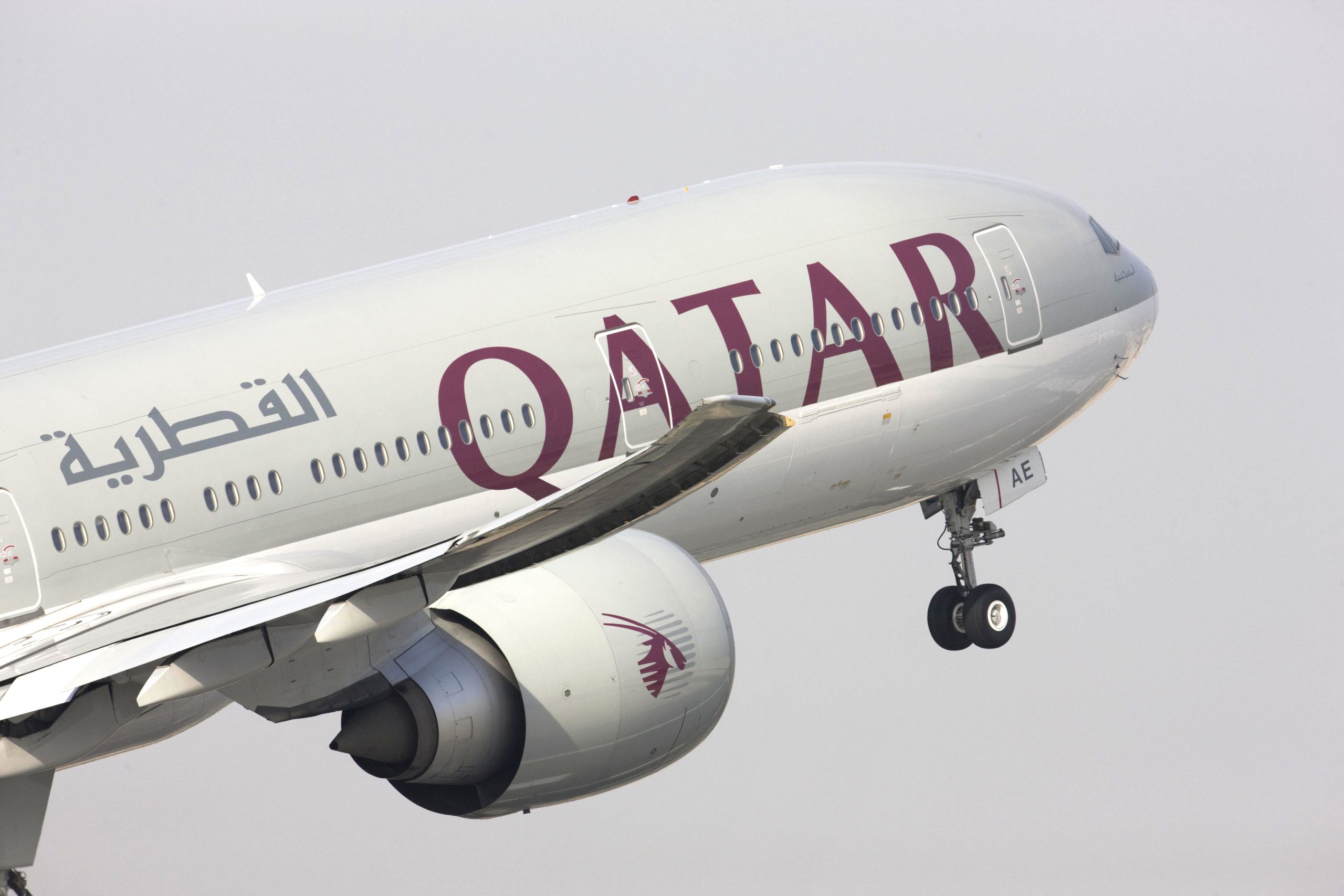
Cabin crew at Qatar Airways recently participated in a significant coordinated sickout, marking a rare form of protest aimed at the airline’s management. This event is unprecedented in the context of Qatar’s strict employment and criminal laws that prohibit any organized work action, placing the involved crew members at considerable risk of job loss and even deportation.
Risks Faced by Cabin Crew
Taking sick leave as a form of protest in such an authoritarian environment carries grave repercussions. Beyond potential job termination, crew members face the threats of arrest and imprisonment, underscoring the seriousness of their actions. Yet, the crew members are now vocalizing the reasons behind their drastic measures, breaking the silence that has traditionally surrounded the airline’s operations and working conditions.
Despite strides made by Qatar Airways in recent years to enhance employee welfare, many cabin crew believe these reforms fall short of what is necessary. Reports suggest that in several cases, the changes have not had the intended positive impact. Historically, Qatar Airways operated under the leadership of Akbar Al Baker, a controversial figure known for his strict management style. Crew members worked under intense pressure, facing a demanding work environment with stringent rules regarding conduct and even social media usage.
Struggles Under New Management
However, with Al Baker’s exit, there were initial hopes for a cultural transformation under Eng. Badr Al Meer, who introduced some reforms, such as relaxing accommodation curfews. Unfortunately, his departure in late 2025 led to a resurgence of the old culture, causing crew members to feel lost and unheard. The new management, led by Ali Al-Khater, has not taken transparent actions or communicated effectively with the staff, further compounding frustrations.
Reports from crew members indicate that company accommodation resembles a controlled environment rather than a home. The strict policies enforced, such as mandatory curfews and movement tracking, do not provide any semblance of personal freedom. With severe penalties for even small infractions, such as leaving the housing complex unnecessarily, many feel as if they are living under constant surveillance.
Compensation Issues and Future Implications
Compensation remains another contentious issue. Salaries for cabin crew have stagnated, particularly since the pandemic, while the cost of living continues to rise steeply. Layover allowances have been slashed to nearly half of what they were before COVID-19, creating financial strain for those working in the industry. Additionally, overtime pay privileges have been removed, illustrating a troubling shift in employment terms that crew members have found difficult to accept.
The final straw for many appears to be the airline’s refusal to issue annual bonuses, especially following a profitable year. This has particularly irritated staff compared to competitors like Emirates Airline, which issued significant bonuses to its employees despite facing similar challenges. The widespread irritation over such disparities may indicate a tipping point; whether this sickout will catalyze constructive dialogue between the crew and management remains uncertain.
In conclusion, the protests by Qatar Airways cabin crew have spotlighted longstanding issues that many hoped would have been resolved through management reforms. As the situation evolves, it will be crucial to see if any meaningful changes arise from this alarming collective action. The future of Qatar Airways’ working environment hangs in the balance, reflecting broader challenges within the airline and the aviation industry at large.