
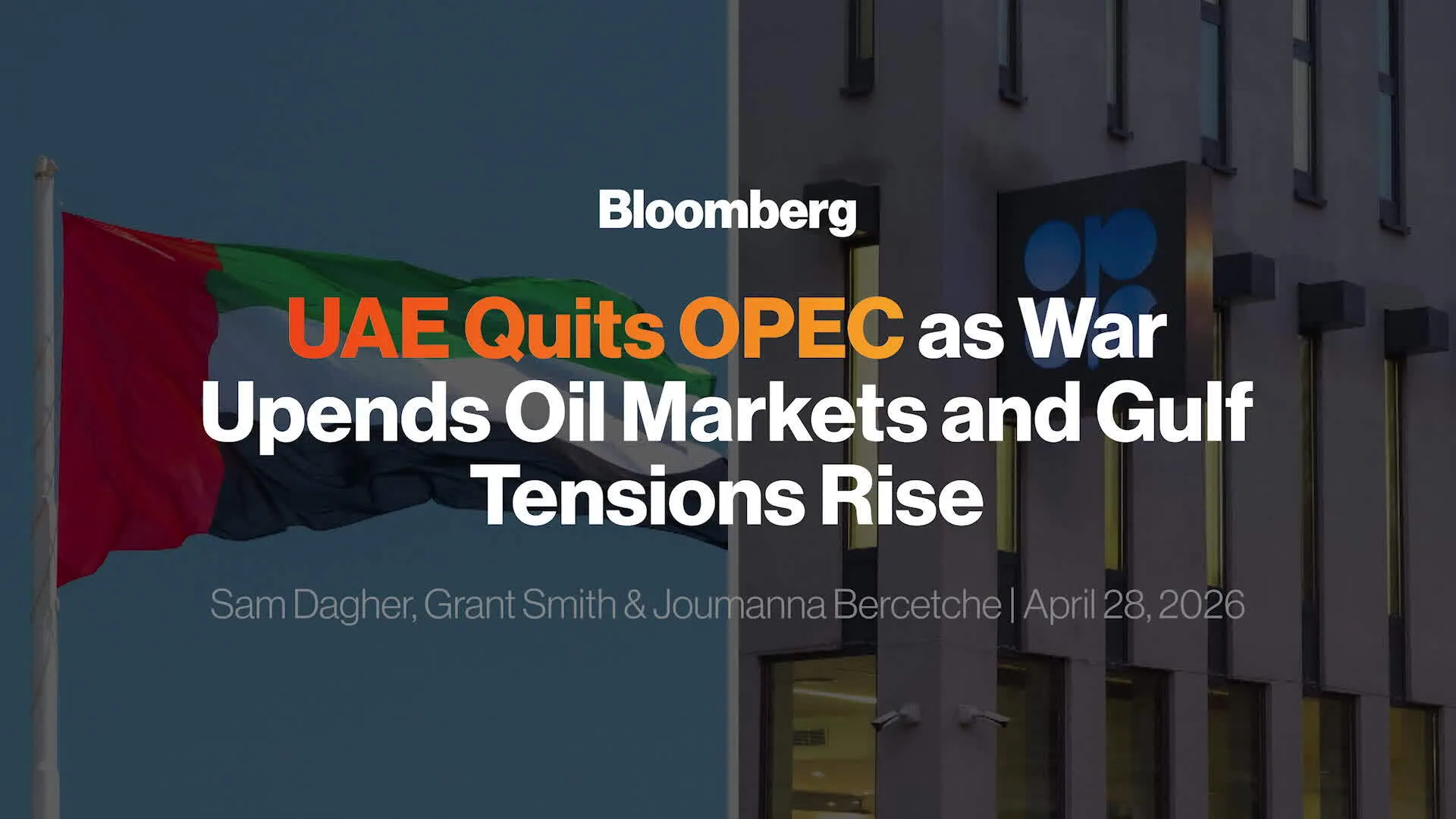
OPEC+ is gearing up for significant developments as it convenes for its first bi-annual policy meeting on June 7. This gathering comes on the heels of the United Arab Emirates exiting the coalition, adding a layer of complexity to the already turbulent oil market. While there’s widespread anticipation that the group will maintain its existing output strategies, the spotlight is on the UAE’s move towards greater autonomy in global oil dynamics. This situation has captured the attention of investors and market analysts alike.
The Impact of the UAE’s Departure from OPEC+
The exit of the United Arab Emirates from OPEC+ not only signifies a shift within the organization but also marks a pivotal moment in the global oil landscape. The UAE has historically played a crucial role, contributing significantly to the coalition’s overall production levels. With its departure, questions circulate regarding the coalition’s ability to uphold its collective output strategies. Observers are keenly monitoring how this will affect pricing and supply chain stability moving forward.
Moreover, the UAE’s decision might set a precedent for other member nations contemplating their independence from the alliance. As the geopolitical climate continues to shift, other oil-producing countries may also consider re-evaluating their affiliations with OPEC+, particularly if they believe they can optimize production and profits independently. This potential for a fragmented oil market could introduce further complexities that must be navigated by investors and analysts alike.
OPEC+’s Strategic Output Plans
As OPEC+ convenes, member countries will deliberate on their strategic output plans for the immediate future. While it’s anticipated that the group will stick to their current output levels, the discourse will undoubtedly revolve around how best to respond to the changing dynamics set in motion by the UAE’s departure. Maintaining stable output levels is crucial for price stabilization, especially in a time marked by volatility and uncertainty.
The coalition has previously demonstrated its capability to coordinate effectively in the face of disruptions, but the challenge now is greater than ever. With fluctuating demand and geopolitical tensions affecting oil markets, a unified approach will be essential. Stakeholders are keen to see if OPEC+ can strike a balance between preserving their collective interests while respecting the newfound independence of the UAE.
Investor Reactions and Market Projections
Investor interest in the outcomes of the upcoming meeting is palpable. Market analysts are closely tracking indicators that could signify how the oil landscape will evolve, especially with the UAE asserting its desire for more control. This move may inspire confidence in investors who are looking for opportunities in a potentially more fragmented market.
Forecasts will hinge on how OPEC+ responds to the evolving situation and whether they can maintain their influence over global oil prices. The reactions from member states post-meeting will likely provide crucial insights into the future trajectory of the alliance and its impact on global oil supply and demand dynamics.
In conclusion, the upcoming OPEC+ meeting on June 7 represents a crucial juncture as the alliance navigates the complexities introduced by the UAE’s recent exit. With stakeholders wary and attentive, the decisions made during this gathering could have far-reaching implications for the global oil market’s stability and growth.