
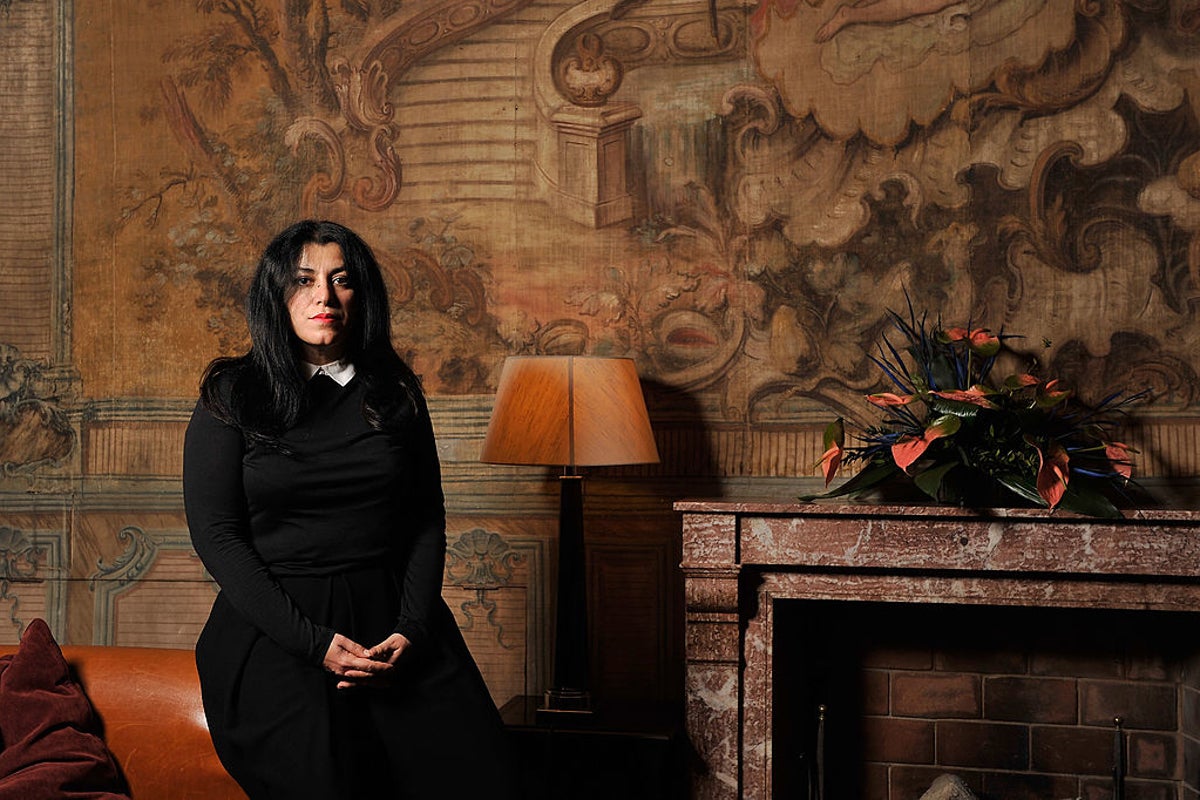
Marjane Satrapi, the renowned Iranian-French artist best known for her graphic memoir Persepolis, has passed away at the age of 56. Her life was dedicated to expressing themes of resistance, freedom, and the human experience, leading to heartfelt tributes from those who admired her work, including French President Emmanuel Macron. This article reflects on Satrapi’s remarkable journey, her contributions to literature and film, and her enduring legacy in understanding the complexities of identity and exile.
The Life and Early Influences of Satrapi
Born in Rasht, Iran, in 1969, Satrapi grew up during a time of great political upheaval and social change. As a child of the Iranian Revolution, she witnessed family members become victims of political persecution, which deeply influenced her worldview and artistic expression. Her uncle, Anoosh, a former political prisoner, was executed by the Islamic regime, an event that would resonate throughout her life and work.
Persepolis emerged from this tumultuous upbringing. Initially released as a single volume in 2000 and later expanded into four, it captures her experiences growing up in Iran, moving to Europe for education, and her lifelong struggle to find a sense of belonging between two cultures. Satrapi navigated her identity as a returnee, all while addressing universal themes of oppression, love, and the bittersweet nostalgia of home.
The Impact of Persepolis on Global Perspectives
Satrapi’s Persepolis significantly transformed how graphic novels and memoirs are perceived in contemporary literature. Through its elegant black-and-white illustrations, the narrative breaks down artificial stereotypes of Iranians, offering readers a more nuanced view of a culture often oversimplified through political lenses. Satrapi’s voice resonated with many who found parallels in their own struggles, making her work a bridge between various experiences of exile and identity.
Her stories are not solely about the weight of political history but also delve into the intricacies of family dynamics, youthful rebellion, and personal growth. This multifaceted portrayal fosters a connection between readers from diverse backgrounds, reinforcing the shared human condition despite geographical and cultural differences.
The Legacy of a Fearless Storyteller
Satrapi’s influence extends beyond the written page; she co-directed the animated film adaptation of Persepolis, receiving an Oscar nomination for her work. This achievement marked a significant milestone for female artists within the film industry, showcasing her ability to navigate both literary and cinematic realms with equal grace. She continued to challenge geopolitical narratives while advocating for the rights of her homeland, supporting movements like Woman, Life, Freedom.
Throughout her life, Satrapi did not shy away from critiquing both Iranian authoritarianism and Western misconceptions. Her unwavering dedication to representing the complexity of Iranian existence has cemented her as an essential voice in contemporary discussions surrounding identity and human rights. The way she effortlessly mingles humor with poignant storytelling allows for a relatable exploration of painful truths.
A Timeless Gift to Future Generations
For countless Iranian exiles and readers around the world, Persepolis serves as more than a memoir; it acts as a roadmap for understanding memory, identity, and the struggles of belonging. Through her narratives, Satrapi illustrated that exile transcends physical displacement and encapsulates emotional and psychological journeys.
Her characters frequently wrestle with the realities of loneliness and the necessity of reinvention, yet they do so with an underlying message of resilience. Satrapi’s work continues to serve as a source of strength and hope for generations of readers, empowering them to confront the complexities of their relationships with home and identity.
In her passing, Satrapi leaves behind a rich legacy, reminding us of the profound impact that storytelling can have in bridging divides, fostering empathy, and preserving history. Her narratives will undoubtedly continue to inspire and guide those navigating the intersections of culture, conflict, and humanity for years to come.