Intensified Air Strikes and Evacuations in Southern Lebanon
The ongoing conflict between Israel and Hezbollah escalated on Friday as Israel’s airstrikes targeted multiple locations in southern Lebanon. This military escalation led to the issuance of evacuation warnings for nine villages, including Anqoun, which had been a refuge for thousands displaced by months of warfare. The continued violence raises concerns for the civilians caught in the crossfire and highlights the precarious situation in the region.
Casualties and Displacement Amid Airstrikes
Reportedly, six individuals lost their lives due to the recent airstrikes, as confirmed by Lebanon’s state news agency. The urgent warnings from the Israeli military prompted countless families to evacuate from Anqoun as well as nearby Aarnaya, located near Maghdoucheh, a predominantly Christian village close to Sidon. The gravity of the situation is further underscored by the fact that Anqoun was sheltering approximately 2,500 displaced residents, who are now facing uncertainty as they attempt to flee the escalating violence.
The latest attacks came shortly after Hezbollah characteristically rejected a ceasefire agreement proposed between Israel and Lebanon’s government and insisted on the complete withdrawal of Israeli forces from Lebanese territory. This refusal emphasizes the ongoing tensions and the entrenched positions held by both sides.
Political Maneuverings and Ceasefire Proposals
Speaker of Lebanon’s Parliament, Nabih Berri, an ally of Hezbollah and a key mediator in the conflict, indicated that he would accept Hezbollah’s withdrawal from areas south of the Litani River, provided it occurs simultaneously with the withdrawal of Israeli troops. His statements reflect a cautious approach to peace negotiations, emphasizing the need for a comprehensive ceasefire that is unrestricted in nature, including airspaces and waterways, and not merely symbolic gestures.
The Litani River, which is approximately 30 kilometers (20 miles) north of the Israeli border, defines a U.N.-established buffer zone where Hezbollah’s presence is forbidden. However, the Israeli military has expanded its operations far beyond this demarcation, complicating any prospects for a lasting peace.
Security and Humanitarian Concerns in Conflict Zones
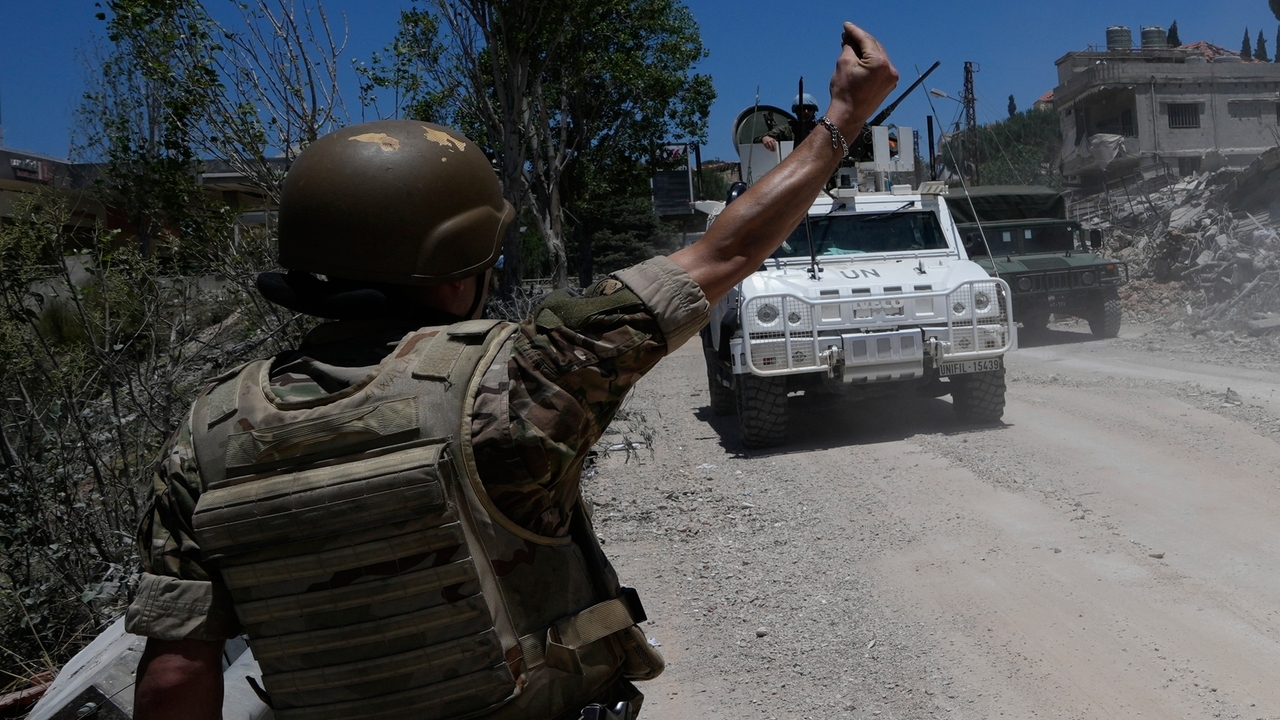
As the military operations continue, Lebanese and U.N. peacekeeping forces have begun consolidating their presence in villages left vacant following Israeli military engagements. After intense combat with Hezbollah fighters, there were visible signs of deterioration, including extensive damage to homes and infrastructure. A bulldozer operated by the peacekeeping contingent was seen clearing roads in Dibbine, indicating efforts to restore access amid the ongoing turmoil.
Israeli forces have gained control over significant portions of southern Lebanon, with their military reach extending further than observed since the end of their occupation in 2000. The U.S.-brokered ceasefire agreement aims to establish security zones controlled by Lebanese armed forces, effectively sidelining militant groups like Hezbollah. However, this has done little to alleviate the widespread suffering experienced by civilians amid the chaos of military interventions.
As the situation remains volatile, the humanitarian toll is staggering. Reports indicate that more than 3,500 casualties have occurred in Lebanon since the escalation of conflict, encompassing both military personnel and civilians. This latest wave of airstrikes and hostilities is a somber reminder of the profound impact of war on daily life, drawing urgent calls for a more sustainable and mutually agreeable resolution to the crisis.