
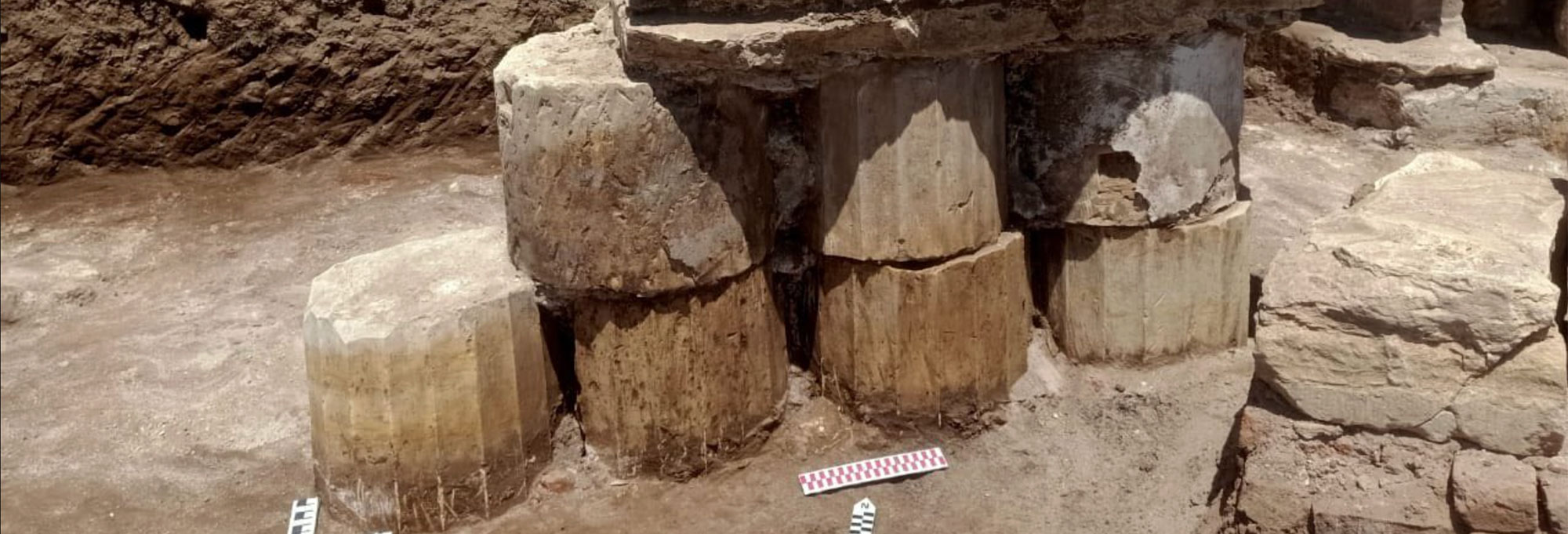
In the heart of Egypt, new archaeological findings are shedding light on the region’s rich history. A recent excavation in Beni Suef has uncovered fascinating artifacts that contribute to our understanding of ancient civilizations.
Recent Discoveries in Beni Suef
Beni Suef has become a focal point for archaeologists as they unearth remnants from Egypt’s illustrious past. Among the latest findings is a stone block, expertly carved with inscriptions that trace back to significant historical figures. This particular stone block has sparked excitement among researchers, offering new insights into the artistry and cultural practices of ancient Egyptian society.
The excavation site not only revealed this remarkable stone but also yielded other artifacts, each adding a piece to the puzzle of the area’s historical narrative. The careful study of these items could potentially rewrite aspects of what we know about ancient Egypt. Experts believe that these findings may indicate the presence of a previously undiscovered religious or public structure, which would enhance our understanding of the community that thrived here.
The Significance of Carved Inscriptions
Inscriptions have always played a crucial role in deciphering ancient languages and understanding societal hierarchy. The stone block discovered in Beni Suef bears the name of a prominent figure, which could offer context regarding power dynamics and societal organization during that era. This relic may also provide valuable information about the religious practices and the political landscape of the time, encouraging further investigation into the relationships between different regions of ancient Egypt.
The technique and style of the carvings suggest not only high craftsmanship but also the importance of the message portrayed within them. Inscriptions often serve as a means to communicate enduring cultural values, helping modern scholars glean insights into ancient beliefs and customs. As these artifacts are meticulously studied, they carry the potential to illuminate aspects of daily life that have long remained a mystery.
Implications for Future Research
These discoveries in Beni Suef present a rare opportunity for archaeologists and historians. As more artifacts are uncovered, they promise to enrich our comprehension of the historical tapestry of ancient Egypt. Renewed interest in the region could lead to expanded excavations, inviting scholars to piece together a more comprehensive picture of Egypt’s past.
Moreover, the significance of this excavation stretches beyond local interest. As the world places an increasing emphasis on preserving cultural heritage, findings such as these underscore the necessity of ongoing archaeological efforts. Enhanced preservation methods and technologies will be crucial as research continues, ensuring that these invaluable insights into human history are safeguarded for future generations.
In summary, the archaeological work being conducted in Beni Suef represents a significant stride in our understanding of ancient Egypt. The excavation has not only unveiled intriguing artifacts but also reignited global interest in studying and preserving our shared human heritage. As science and history converge, the ongoing research promises to provide even deeper revelations about the civilizations that once flourished along the Nile.