
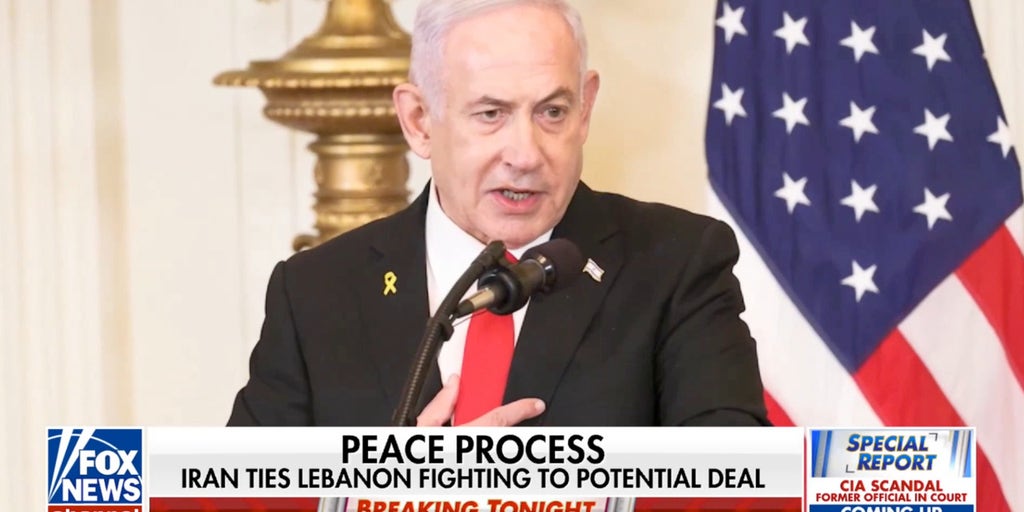
Israel recently intensified its military operations in Lebanon, carrying out airstrikes that resulted in the tragic loss of at least six lives. This escalation came after Hezbollah militants dismissed a proposed ceasefire agreement. The situation in the region remains highly volatile, with concerns about a possible wider conflict.
Escalating Tensions in the Region
The airstrikes carried out by Israeli forces mark a significant escalation in the ongoing conflict between Israel and Hezbollah. Tensions have been mounting for some time, particularly following Hezbollah’s rejection of diplomatic efforts aimed at achieving a ceasefire. The decision to launch airstrikes indicates a shift in Israel’s strategy, as military action tends to draw retaliatory responses. As international observers monitor the situation closely, there are fears that continued hostilities could lead to a larger regional confrontation, involving other nations and factions.
The Humanitarian Impact
The recent airstrikes have not only caused military casualties but have also triggered a humanitarian crisis in the affected areas. With the loss of life, families are left grieving, and communities are grappling with the aftermath of violence. The destruction of infrastructure further complicates the situation, as essential services such as healthcare, food supply, and shelter are disrupted. Humanitarian organizations are calling for immediate assistance and urging all parties involved to prioritize the well-being of civilians caught in the crossfire. Amid the chaos, the need for dialogue and peaceful resolutions is more pressing than ever.
The Role of International Diplomacy
Amid this escalating conflict, the international community faces considerable pressure to intervene diplomatically. Various nations and organizations have appealed for restraint and have called for renewed efforts to broker a ceasefire. The failure to reach an agreement has raised questions about the effectiveness of international diplomacy in conflict resolution. Stakeholders are being urged to engage in constructive dialogue to prevent further violence and to explore avenues for peace. The situation serves as a reminder of the complex geopolitical dynamics in the region and the need for a coordinated international response.
Conclusion: A Call for Peace
As Israel conducts its military operations in Lebanon, the urgency for a peaceful resolution has never been clearer. The loss of life and the humanitarian challenges signal an alarming trend that necessitates immediate action from both local and international actors. Comprehensive dialogue and a commitment to resolving underlying tensions are essential for preventing further escalation. The world watches closely, hoping for a turnaround that prioritizes peace over conflict and offers a brighter future for all affected by the strife.