
The Pentagon has escalated its counterintelligence threat assessment regarding Israel, citing concerns over intensified espionage activities aimed at U.S. officials. This development has drawn significant attention and raises questions about the implications for U.S.-Israel relations.
Heightened Threat Assessment for Israel
According to NBC News, the Defense Intelligence Agency (DIA) has classified Israel’s espionage efforts as “critical,” marking the highest level of threat designation. This change follows rising apprehensions about Israel’s heightened surveillance of senior U.S. officials, particularly to understand internal discussions within the Trump administration concerning Middle East conflict strategies.
Specific Incidents and Intelligence Concerns
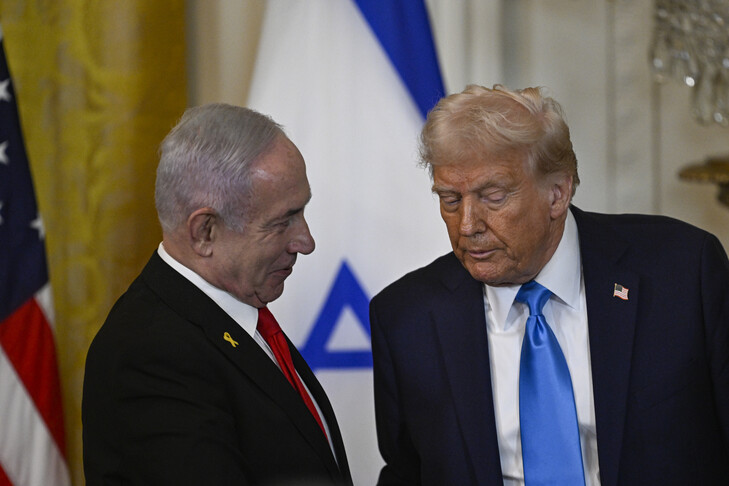
The fresh evaluation includes a comprehensive seven-page document that outlines particular incidents that have alarmed U.S. officials. These incidents underscore the ongoing tension as President Trump and Israeli Prime Minister Benjamin Netanyahu have had disagreements over military actions, including those in Iran and Lebanon. The discord culminated in a recent fraught phone conversation between the two leaders, emphasizing the urgency of the situation.
Israeli Interests in U.S. Military Operations
Sources, both current and former U.S. officials, indicate that Israel’s interest lies primarily in U.S. military decisions regarding Iran. The Israeli government seeks to ascertain whether President Trump plans to escalate military operations or move towards a negotiated resolution. This pursuit of clarity on U.S. intentions has led Israel to increase its intelligence efforts, intensifying U.S. scrutiny.
Reactions from Israeli Authorities
In response to these claims, the Israeli Embassy in Washington has categorically denied any wrongdoing, asserting that the allegations of spying on U.S. officials are unfounded. The embassy labeled the report as “completely false,” while both the Pentagon and White House abstained from commenting directly on the situation, with a White House official also dismissing the claims.
Emily Harding, vice president at the Center for Strategic and International Studies, characterized Israel’s intelligence capabilities as “hyper-aggressive.” She further stated that the Israeli government’s keen interest in U.S. actions reflects a broader trend in intelligence-seeking behavior that complicates the bilateral relationship.
As the diplomatic landscape continues to evolve, the escalating counterintelligence alert serves as a reminder of the delicate balance that must be maintained in international relations—especially between allies. It raises critical questions about the future of cooperation between the U.S. and Israel, particularly as tensions in the Middle East grow increasingly complex. The potential for espionage not only endangers trust but also complicates strategic partnerships that are vital for regional stability.
In summary, the Pentagon’s recent shift in threat assessment of Israeli espionage underscores a complex web of international relations fraught with suspicion and strategic interests. As both nations navigate these turbulent waters, the implications for future negotiations and military decisions in the region remain uncertain.