
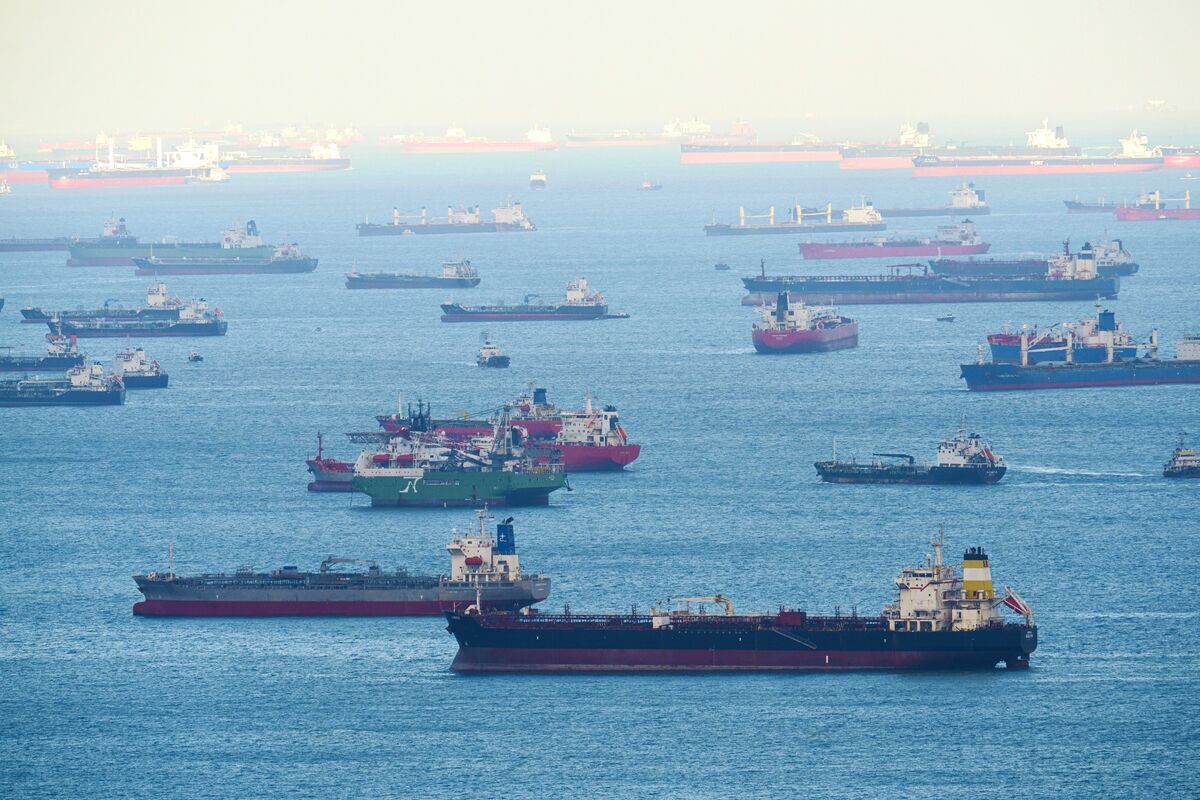
Container shipping rates have surged recently due to a combination of factors, including rising fuel prices and increased congestion at various Asian ports. Additionally, a spike in demand as companies prepare for the peak booking season for ocean freight has contributed to this situation. Understanding these dynamics is crucial for businesses that rely on international shipping.
Factors Driving Up Container Shipping Rates
Several elements are influencing the current rise in container shipping costs. Firstly, the increase in fuel prices plays a significant role. As the cost of fuel rises, shipping companies often pass these expenses onto their customers. Higher fuel expenses not only impact operational costs but also affect the shipping times, as vessels may need to adjust their routes or schedules to maintain profitability.
Another major contributor to the surge in rates is the congestion observed at key Asian ports. Increased traffic and delays can lead to longer wait times for vessels, which subsequently drive up overall shipping costs. The combination of these challenges creates a ripple effect throughout the supply chain, complicating logistical planning for businesses.
The Impact of Seasonal Demand on Shipping Costs
The upcoming peak season for ocean freight has also led to an uptick in shipping rates. With many businesses ramping up production and stockpiling inventory ahead of the holiday season, maritime transport demand typically increases significantly. This seasonal demand places additional pressure on an already-strained logistics network, leading to higher freight rates as companies scramble to secure shipping slots.
Shipping carriers are thus prioritizing the most lucrative routes and clients, which further exacerbates the situation for smaller businesses or those with less negotiating power. Ensuring timely delivery during this period becomes critical, as delays may negatively impact operations, sales, and customer satisfaction.
Long-Term Implications for Global Trade
In light of these rising shipping costs, companies should consider the long-term implications for global trade. Persistent shipping rate increases may force businesses to reevaluate their supply chains, potentially leading to a shift towards localized sourcing and production. Companies may also seek alternative transport options, such as air freight, despite the higher costs associated with that method.
Adaptive strategies will be crucial for businesses aiming to remain competitive in this evolving landscape. By understanding the drivers behind shipping rates and implementing flexible logistics solutions, organizations can navigate these challenges more effectively.
As the landscape of container shipping continues to develop, staying informed about the market dynamics will be essential. Partnerships with reliable carriers and adopting advanced logistics technology can help businesses mitigate some of these disruptions, enabling smoother operations during periods of uncertainty.
In conclusion, the recent increase in container shipping rates is a multifaceted issue influenced by fuel costs, port congestion, and seasonal demand. By recognizing these factors, businesses can devise strategies to mitigate risks and adapt to the changing shipping environment. Understanding the nuances of international shipping will empower organizations to maintain their competitive edge and ensure timely delivery of goods in a challenging global market.