
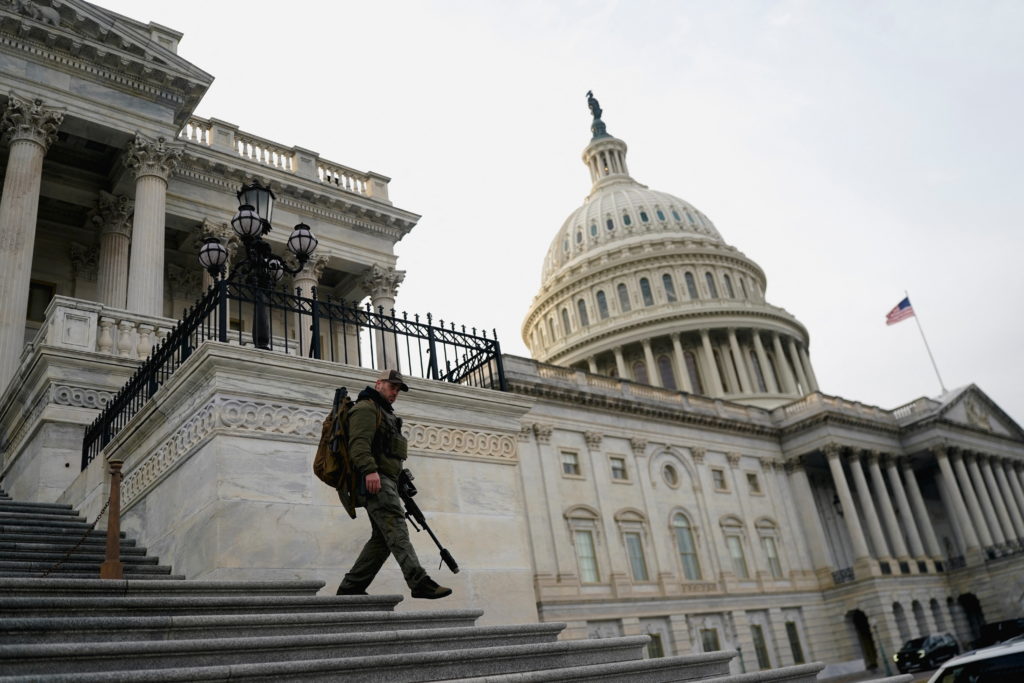
On June 3, the U.S. House passed a significant resolution aimed at curtailing President Donald Trump’s military actions against Iran. This decision marks a noteworthy moment in the ongoing conflict, occurring shortly after a related resolution advanced in the Senate. Both legislative bodies are grappling with the issues surrounding the War Powers Resolution amidst rising public dissatisfaction with the current military engagement.
House and Senate Action
The resolution in the House received a narrow vote of 215-208, with support from four Republican representatives, emphasizing a bipartisan push to limit the President’s military authority. In contrast, the Senate had previously voted 50-47 in favor of a similar measure on May 19, showcasing a divided response from the political landscape. This legislative debate is fueled by widespread public opposition to the war, particularly driven by the unfavorable consequences such as increased gasoline prices linked to the conflict and the ongoing tensions in the Strait of Hormuz.
Trump’s reaction to the House vote was swift, reflecting a broader narrative of his presidency. He expressed disdain for both the Democratic initiative and the Republican representatives who crossed party lines, branding them as attention-seekers. For opponents of the war, recent legislative actions signify progress, but there remain significant hurdles to any potential limitation of Trump’s military engagements.
Understanding the War Powers Resolution
The War Powers Resolution, enacted in 1973 following the Vietnam War, was designed to restrict presidential military actions without congressional approval. Article I, Section 8 of the U.S. Constitution grants Congress the authority to declare war, yet since World War II, this power has been largely sidestepped by successive presidents. The resolution obligates the President to notify Congress within 48 hours of initiating military action and mandates that military operations must conclude within 60 days unless granted an extension by Congress.
In recent years, Congress has struggled to rein in presidential powers effectively. Although resolutions were passed during Trump’s term aimed at limiting military actions, they were unsuccessful in overcoming his vetoes. The current Congress finds itself in a challenging position, as the majority of Republicans prefer to uphold a hands-off approach regarding military intervention.
Next Steps and Challenges Ahead
With the 60-day window for Congress to act having elapsed, Trump’s assertion that military hostilities have effectively ceased adds another layer of complexity to the situation. It would take a significant bipartisan effort in the Senate to secure the 60 votes necessary for a final resolution on war powers. The challenges extend beyond garnering support; even an identical resolution passed by both chambers would need the President’s signature, which seems unlikely given his current stance on military operations.
Furthermore, if Trump vetoes the resolution, Congress could only override it with a supermajority—a formidable task given the current political climate. Critics argue that while legislative efforts may be stymied, they at least keep the conversation alive regarding military oversight and public dissent.
Potential Outcomes and Legal Considerations
The ongoing uncertainty may escalate to the judicial system, as historical precedent shows that courts tend to avoid ruling on the constitutional validity of the War Powers Resolution. If Congress successfully passes a resolution, legal experts predict the Trump administration would likely seek justifications for non-compliance, potentially leading to Supreme Court involvement.
Despite the legislative challenges, the discourse sparked by these resolutions continues to shine a light on public and congressional discontent regarding military interventions. Advocates for war powers legislation express hope that, even in the face of setbacks, their efforts contribute to a larger dialogue around congressional authority and military oversight. By keeping these issues in public view, it underscores the need for accountability and transparency in U.S. foreign military engagements.