
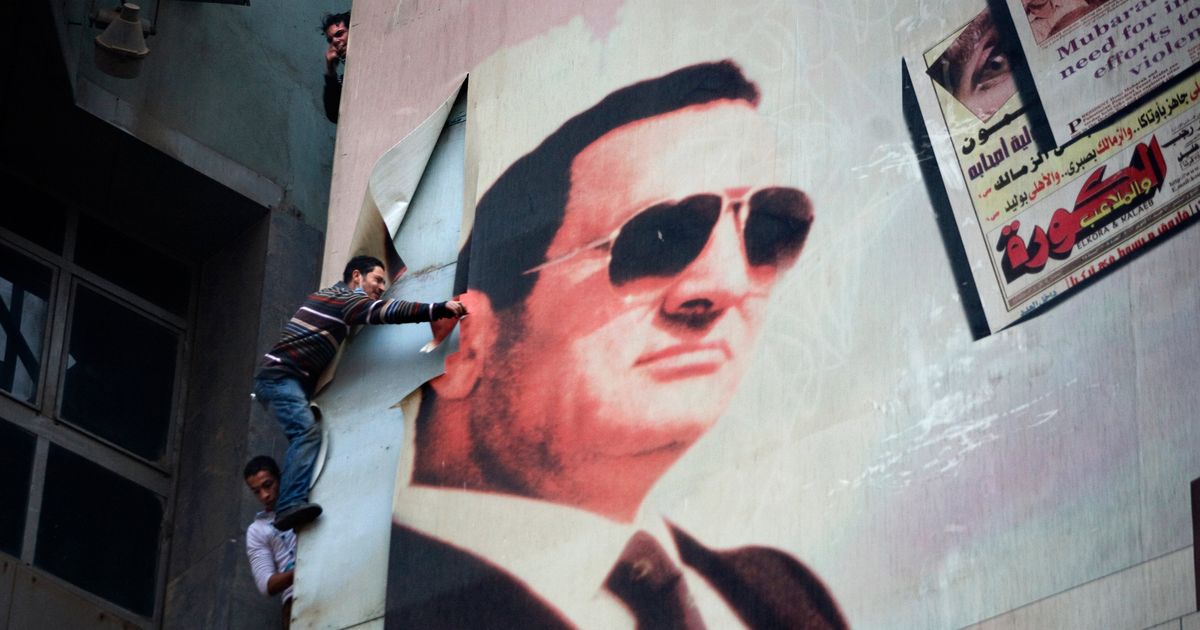
The Spokesman-Review is turning the spotlight on Egypt—its culture, people, and historical significance—as Spokane prepares to host the Egyptian men’s national football team for the 2026 FIFA World Cup. This reflection journeys through a pivotal moment in Egypt’s history, revealing an extraordinary narrative of resilience and the quest for freedom.
The Seeds of Revolution
On January 28, 2011, I found myself outside the Al-Azhar Mosque in Cairo, amidst a thrumming crowd awaiting Friday prayers. A sense of tension hung in the air as journalists, both local and foreign, braced themselves for what would soon unfold into a historic uprising. Internet access had been cut off by authorities earlier that morning, leaving us relying on intuition and determination. Suddenly, the collective voice of the people erupted: “Ish-shaab yureed asqat an-Nizam!”—the people demand the fall of the regime.
As crowds flocked to Tahrir Square, it became clear that Egypt was on the brink of revolution. This uprising was a culmination of diverse frustrations: authoritarianism, poverty, and systemic corruption. The protests were born out of years of economic hardship and social injustice, fueled further by the global financial crisis. By early 2011, the stage was set for a massive public outcry against an oppressive regime that had lingered for nearly three decades under President Hosni Mubarak.
A Nation on the Brink
The backdrop leading to the revolution was stark. Egypt was ostensibly stable, often referred to as a key ally to Western nations. However, beneath the polished surface lay a grim reality: citizens lived under stringent state control, alongside reports of arbitrary detentions and human rights violations. The youth, particularly affected by economic uncertainty and police brutality, stirred the pot of discontent. The tragic death of 28-year-old Khaled Said captured the nation’s outrage and galvanized the public through social media.
Tunisia’s successful ousting of its long-standing ruler in January provided the final spark. On January 25, Egyptian youth activists seized the moment, rallying for a protest on a day honoring the very police force oppressing them. Initially skeptical about the prospects for real change, the unwavering commitment of the protesters quickly instilled a sense of hope. As chants filled the streets, and more citizens joined the ranks, the true ambition for liberation became palpable.
The Tahrir Square Uprisings
The events of January 28 marked a turning point, as police forces retreated and the square filled with thousands, united in purpose. The ambiance fluctuated between the celebratory and the somber, highlighting the emotional weight of the moment. Tahrir Square transformed into a symbol of resistance, where makeshift camps sprung up, fostering a sense of community and solidarity among the protesters. The Egyptian Army, initially perceived as a stabilizing force, seemed to stand on the side of the people, momentarily forgetting its allegiance to the regime.
Despite Mubarak’s eventual resignation on February 11, 2011, the struggle for genuine democracy was far from over. The military quickly filled the power vacuum, promising reform but ultimately consolidating its control. Activists realized that their fight was not concluded; they needed to confront not just the remnants of Mubarak’s regime, but an entrenched military oligarchy that resisted the very principles of democracy they sought.
The Road Ahead
Five years post-revolution, the landscape of Egypt had arguably darkened as General Abdel Fattah al-Sisi rose to power, marking the resurgence of authoritarian rule. The military’s grip led to severe restrictions on press freedom and civil liberties, resulting in a state that often criminalized dissent. Yet, even amid oppression, the spirit of the revolution endured. Courageous voices continued to rise against injustices, reflecting an indomitable quest for rights that would not be extinguished.
As Egypt stands at a historical crossroads today, it embodies a testament to resilience and the complexities of a society deeply rooted in the desire for change. Though the path remains fraught with challenges, the legacy of the revolution serves as a reminder that the fight for freedom, dignity, and justice is an everlasting endeavor. Through the lens of these narratives, we can truly appreciate the cultural richness and the human spirit that shapes Egypt today.