
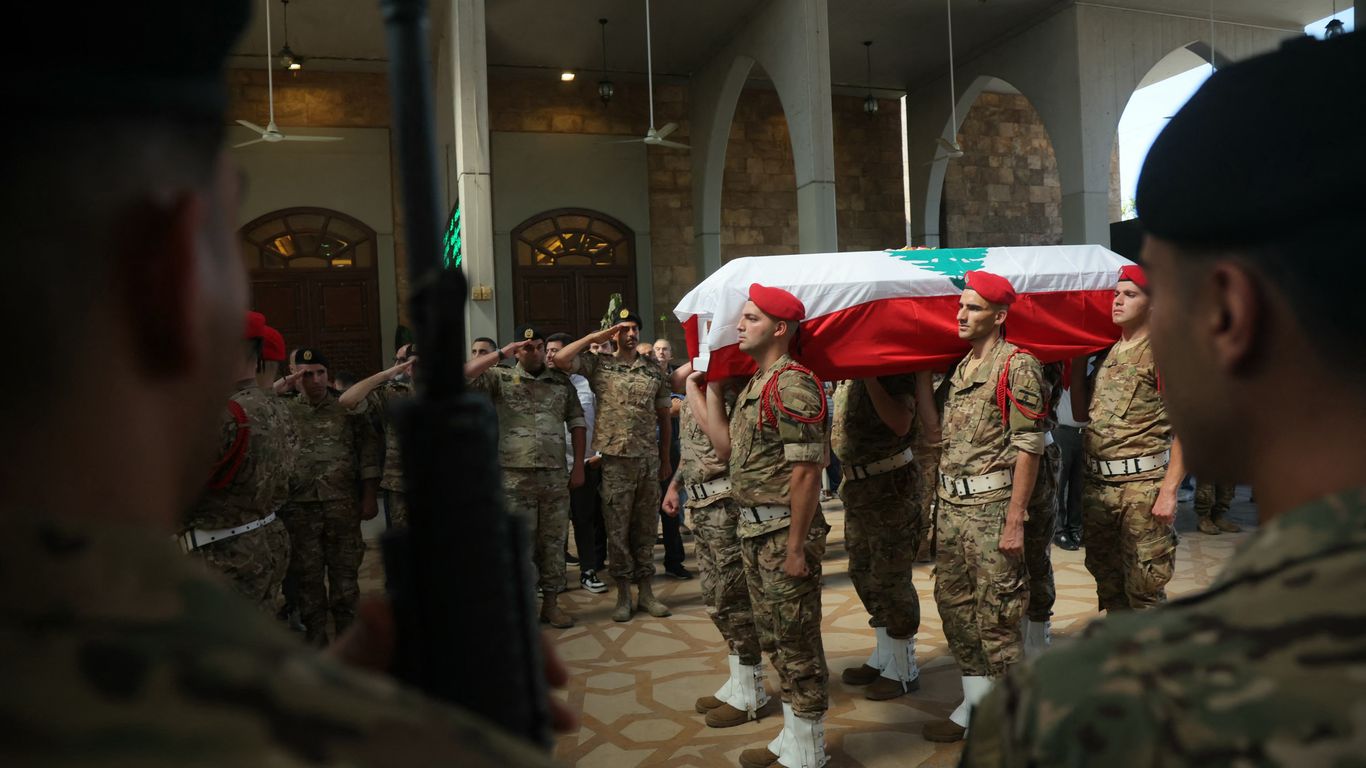
Iran is escalating tensions by issuing warnings of potential retaliation. This geopolitical landscape is fast-changing, with implications that extend beyond the immediate region, impacting global security and economic stability. Understanding the motivations and potential actions stemming from this shift is crucial for anyone following international relations.
Current Context of Iran’s Threats
Recent developments in Iran’s diplomatic and military posture have raised alarms. The nation has been vocal about its displeasure regarding perceived aggressions from adversary countries. Tensions between Iran and the West, particularly the United States, have been inflamed by various diplomatic incidents and military posturing. Iran’s leadership seems determined to assert its position and remind the international community of its defense capabilities, emphasizing that threats against it will not go unanswered.
The rhetoric coming from Tehran indicates a strategic calculation aimed at rallying domestic support while simultaneously deterring external threats. By issuing threats of retaliation, the Iranian government seeks to project strength and resilience, which might resonate with its population experiencing internal economic and social challenges. This context paints a picture of a country that feels besieged yet is willing to push back against external forces it perceives as hostile.
Implications for Regional Stability
Iran’s provocative stance poses significant risks not only to regional stability but also to international relations. Neighboring countries, already wary of Iran’s military ambitions and alliances with groups like Hezbollah, may respond with countermeasures. This cycle of action and reaction could potentially escalate into broader conflicts involving multiple nations in the region, further complicating an already delicate equilibrium.
Moreover, the geopolitical landscape is further complicated by the interests of other global powers, including Russia and China, which may be inclined to support Iran as a counterbalance to U.S. influence in the Middle East. The interplay of various national interests could set the stage for a higher-stakes game of diplomacy, where miscalculations arise from misunderstandings or miscommunications that escalate tensions even further.
The Economic Dimension
The potential for military conflict or heightened tensions has serious economic implications, especially concerning oil prices. As one of the largest oil producers, Iran’s actions significantly impact global oil markets. Should the threats escalate, the resulting instability could lead to surges in oil prices, affecting economies far beyond the Middle East.
This ripple effect could influence everything from transportation costs to inflation rates, potentially destabilizing economies that are already grappling with recovery from the pandemic. Analysts and investors keep a close eye on these developments, as they can inform decisions on everything from stock markets to energy investments.
Global Reactions and Future Outlook
The international community faces a complex challenge in responding to Iran’s threats. Diplomatic efforts may be necessary to de-escalate tensions, but such initiatives will require a careful balancing act. Countries that are aligned with or oppose Iran must consider their strategies carefully, as the alignment of interests can shift rapidly based on evolving circumstances.
In conclusion, the situation involving Iran’s threats of retaliation is part of a larger tapestry of geopolitical dynamics. The intertwining of military posturing, regional stability, economic ramifications, and global reactions creates a scenario where vigilance and diplomacy will be crucial. The world watches closely, aware that the actions taken now will shape the landscape of international relations for years to come.