
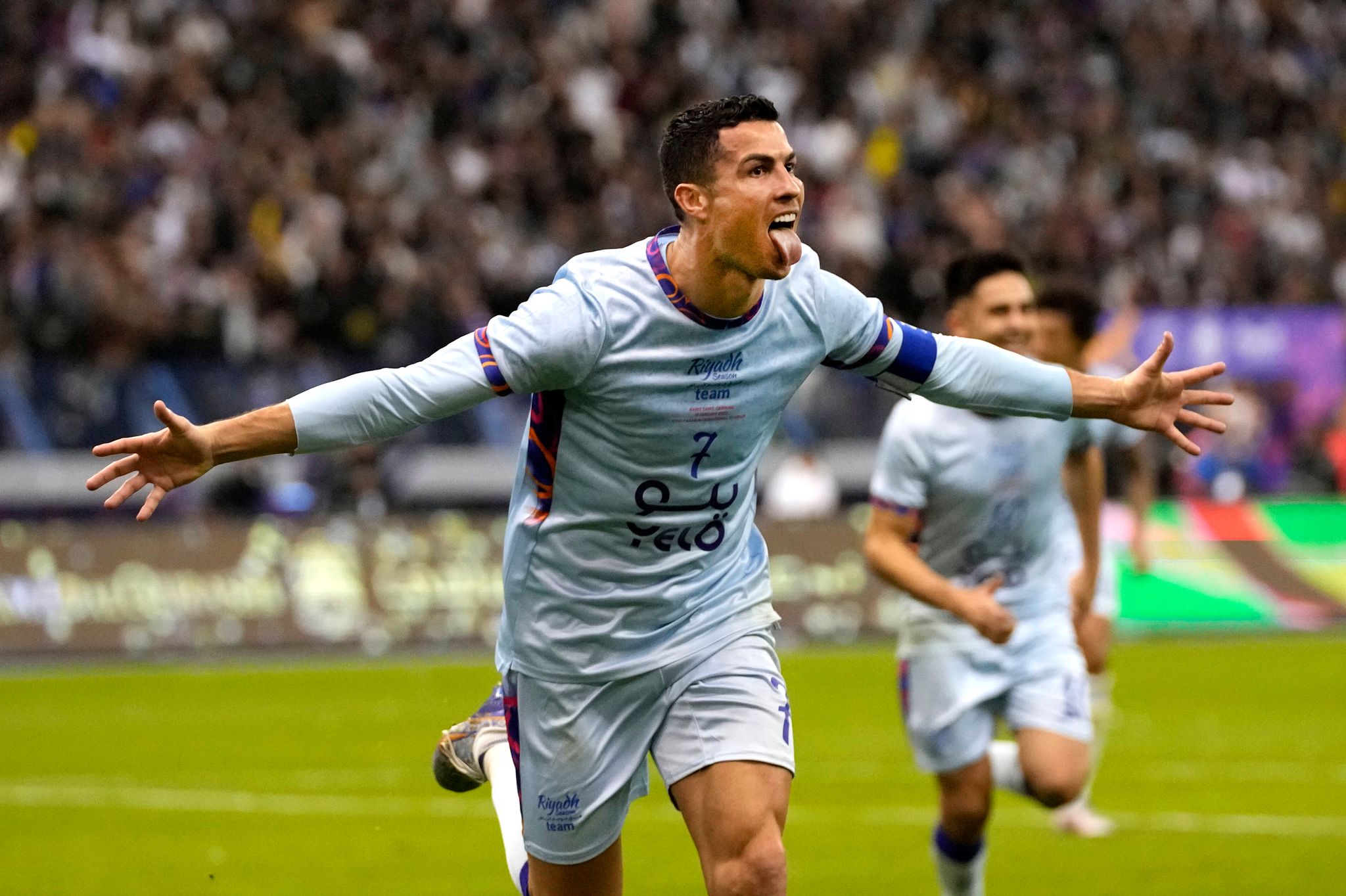
Saudi Arabia has dramatically transformed its soccer landscape in recent years, notably shaking up the global stage with remarkable investments and strategic moves. This shift signals the kingdom’s ambition not only to elevate its own footballing standards but also to establish a stronger international presence through the sport.
The Historic Upset Against Argentina
The turning point for Saudi soccer came during the 2022 FIFA World Cup in Qatar when the national team achieved a stunning victory over Argentina. This match marked one of the most significant upsets in World Cup history, demonstrating that Saudi Arabia could compete with the best. It was more than just a win; it set the tone for future ambitions in soccer and drew global attention to the nation’s footballing capabilities. Following this victory, a wave of high-profile players began transitioning to the Saudi league, starting with the legendary Cristiano Ronaldo, who proclaimed, “In Europe, my work is done. This is a new challenge.”
A New Era for Saudi Football
This migration of talent didn’t stop with Ronaldo. Notable players such as Karim Benzema and Neymar followed suit, leaving their European clubs to join Saudi teams. In a further indication of the kingdom’s soccer ambitions, Saudi Arabia secured the rights to host the 2034 World Cup, a move seen as part of a broader strategy to diversify its economy away from oil dependency. However, critics argue that these efforts are also a form of “sportswashing,” aimed at improving the country’s global image despite ongoing human rights concerns.
Billions have been poured into various sports initiatives, which include securing major events like championship boxing and Formula One racing. Even LIV Golf, despite its recent funding withdrawal, highlights Saudi Arabia’s commitment to becoming a significant player in the sports market. Moreover, many top teams are under the ownership of the nation’s sovereign wealth fund, further cementing its investment in the sport.
Looking Ahead to the 2026 World Cup
As Saudi Arabia gears up for the 2026 World Cup, expectations are mounting. The new head coach, Georgios Donis, has acknowledged the challenges ahead, stating, “We cannot promise miracles, but we promise you that we will give our all to achieve our goals.” The influx of international talent is expected to elevate the team, but past performance suggests that merely bringing in star players does not guarantee success on the global stage.
Indeed, the national team faced disappointments in previous tournaments, such as an early exit from the Asian Cup in 2024. Nonetheless, fresh leadership and strategic training could pave the way for improvement. Coach Donis, with extensive experience in Saudi soccer, aims to build a competitive squad capable of making a mark.
Focus on Developing Homegrown Talent
To complement its superstar acquisitions, Saudi Arabia has initiated efforts to nurture local talent. Recent investments in youth development have surged, with a focus on enhancing training facilities across the country. In May, Matt Crocker was appointed to lead talent development, signifying a commitment to investing in homegrown abilities in preparation for the 2034 World Cup.
With the ongoing evolution of Saudi soccer, this year’s tournament offers an invaluable opportunity for the national team to surprise the world once again. “I believe in their abilities, so my priority now is for them to trust in their skills and understand our goals,” said Donis. As the kingdom seeks to balance international flair with strengthen local talent, the future of Saudi soccer is both promising and exciting.