
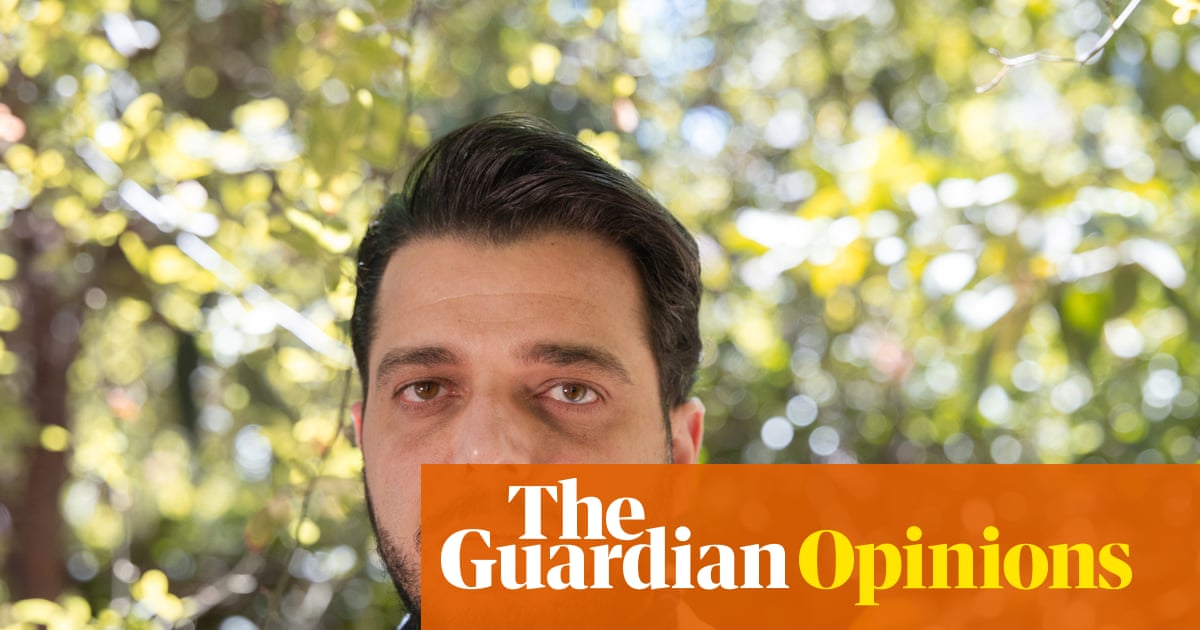
In a small town on the edge of Doha, Qatar, I witnessed a heartbreaking situation that shattered every fundamental human right norm. Seven years ago, I met workers who were enduring prolonged strikes after not receiving their meager monthly salaries for months. In a nation boasting immense wealth, their pay rarely surpassed $300, leaving them unable to afford basic necessities or support their families back home. Even more distressing was that they were laboring tirelessly to construct World Cup stadiums—venues where global icons like Messi and Ronaldo would soon perform.
### The Reality of Labor Exploitation
As the media manager for the Supreme Committee for Delivery & Legacy, which organized the 2022 FIFA World Cup, I was instructed to reshape the narrative surrounding these strikes. I was urged to present the committee as agents of positive change, supposedly setting new standards for worker welfare in Qatar. They wanted me to deny any connections between the strikes and World Cup projects, placing the spectacle of a grand tournament above the rights and needs of vulnerable workers.
I wrestled with this demand, torn between preserving a favorable image for the tournament and advocating for the rights of those who were suffering. Ultimately, I chose to speak up. For this, I faced severe repercussions. The Qatari authorities accused me of leaking state secrets and conspiring against the World Cup, ultimately imprisoning me for over three years on lesser corruption charges.
### Ignoring Human Rights
During my imprisonment, the United Nations deemed my detention arbitrary and my trial unfair, yet FIFA chose to remain silent on my case. While human rights violations flourished in Qatar, FIFA proclaimed the World Cup as “the best ever,” disregarding the plight of countless workers who suffered in silence. It was a stark reminder of how organizations often prioritize profit and reputation over the dignity of human lives.
Even four years later, as the World Cup kicks off anew in Mexico, the U.S., and Canada, I anticipated that I would be free to share my experiences. However, I was mistaken. Just weeks ago, at the Amman airport in Jordan, my passport was confiscated, and I was threatened with imprisonment should I speak publicly about Qatar or the struggle of the workers.
### The Heavy Price of Silence
Now, I find myself in a precarious situation. I had planned to attend the Oslo Freedom Forum, where I could shed light on the human trafficking related to the Qatar World Cup. Instead of sharing this crucial insight, I was interrogated, reminiscent of my time in a Qatari prison cell. My journey highlights the ongoing risk individuals face when advocating for human rights in oppressive environments.
I may not hold a powerful position or vast wealth, but I possess a vital truth: the foundations of the 2022 FIFA World Cup were laid with the relentless labor and suffering of migrant workers. Although we celebrated the World Cup being hosted in the Arab world, we must also confront the uncomfortable reality of those who worked tirelessly behind the scenes.
As the tournament unfolds again soon, it poses a moral dilemma. How do we enjoy the games while grappling with the values we uphold? The true narrative of the workers who built the World Cup must be shared and understood, ensuring that history does not repeat itself. Let us remind FIFA and ourselves that our love for the sport cannot blind us to the human cost behind such monumental events.