
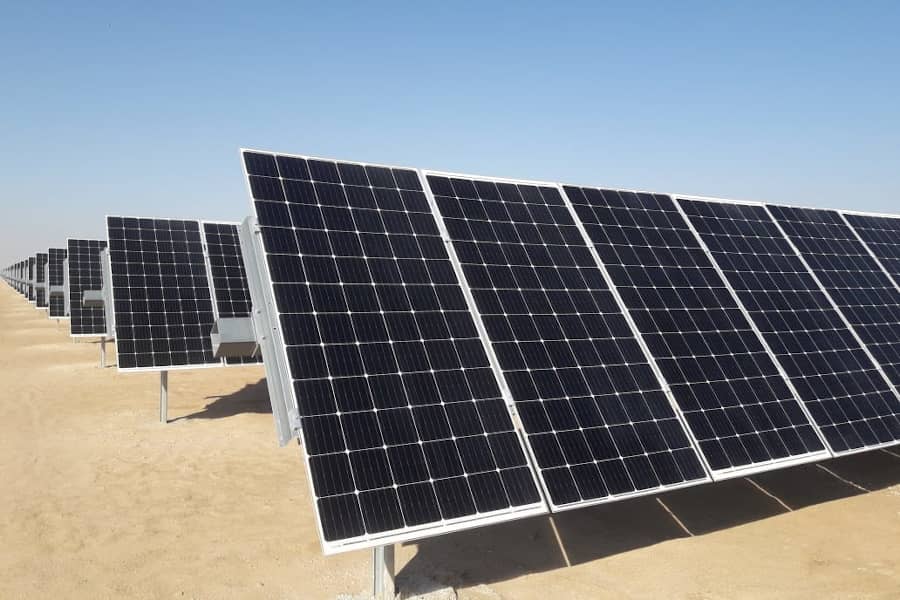
Egypt is taking significant steps to promote renewable energy through a new initiative aimed at encouraging the installation of solar panels in both factories and homes. This effort, spearheaded by Prime Minister Mostafa Madbouly, is designed to alleviate strain on the national electricity grid and reduce reliance on natural gas supplies.
Government Initiative to Boost Solar Energy Adoption
During a recent meeting, Prime Minister Madbouly emphasized the need for swift action on the initiative titled “Encouraging the Installation of Solar Panels in Factories and Homes.” He directed relevant officials to finalize the plan for Cabinet approval, which aims to foster a comprehensive promotional strategy that outlines various incentives and support mechanisms. These components are crucial for increasing adoption rates of solar energy, thereby expanding its utilization across diverse sectors.
The initiative is designed to facilitate the installation of solar energy systems in industrial complexes, large manufacturing facilities, and residential properties. By promoting solar technology, the government aims to significantly lower electricity consumption. This approach is not only environmentally conscious but also economically beneficial, as it aligns with the global shift towards renewable energy sources.
Supporting Renewable Energy Goals
Minister of Electricity and Renewable Energy, Mahmoud Essmat, shared insights on the initiative’s broader objectives. He laid out the general framework, implementation mechanisms, and anticipated incentives to bolster the adoption of solar energy. Essmat highlighted that this initiative is part of the government’s ongoing commitment to increase the renewable energy share within the nation’s energy mix while optimizing resource efficiency.
The collaboration doesn’t stop there; Minister of Industry Khaled Hashem confirmed robust coordination with the Electricity Ministry regarding the initiative’s technical, executive, and logistical elements. Hashem emphasized ongoing discussions with financial institutions and the Federation of Egyptian Industries. These partnerships aim to create viable funding solutions that will encourage factories to transition to solar energy, ultimately contributing to lower production costs and enhancing the competitiveness of Egypt’s industry.
Economic and Environmental Advantages
The potential economic benefits of adopting solar technology are substantial. As factories and homes transition to solar energy, they not only reduce their electricity bills but also mitigate the overall demand for conventional energy sources. This dual benefit aligns with global energy trends that prioritize sustainability while also enhancing energy independence.
Additionally, by streamlining financing and incentivizing the adoption of solar panels, the government is positioning Egypt as a progressive player in renewable energy. This shift not only supports local industries but also contributes to environmental conservation efforts. With increasing global emphasis on sustainable practices, this initiative could enhance Egypt’s reputation internationally as a leader in renewable energy initiatives.
In conclusion, Egypt’s proactive measures to encourage solar panel installation are crucial for both economic and environmental sustainability. With strong governmental support and collaboration among various sectors, the nation is poised to increase its reliance on renewable energy sources significantly.