
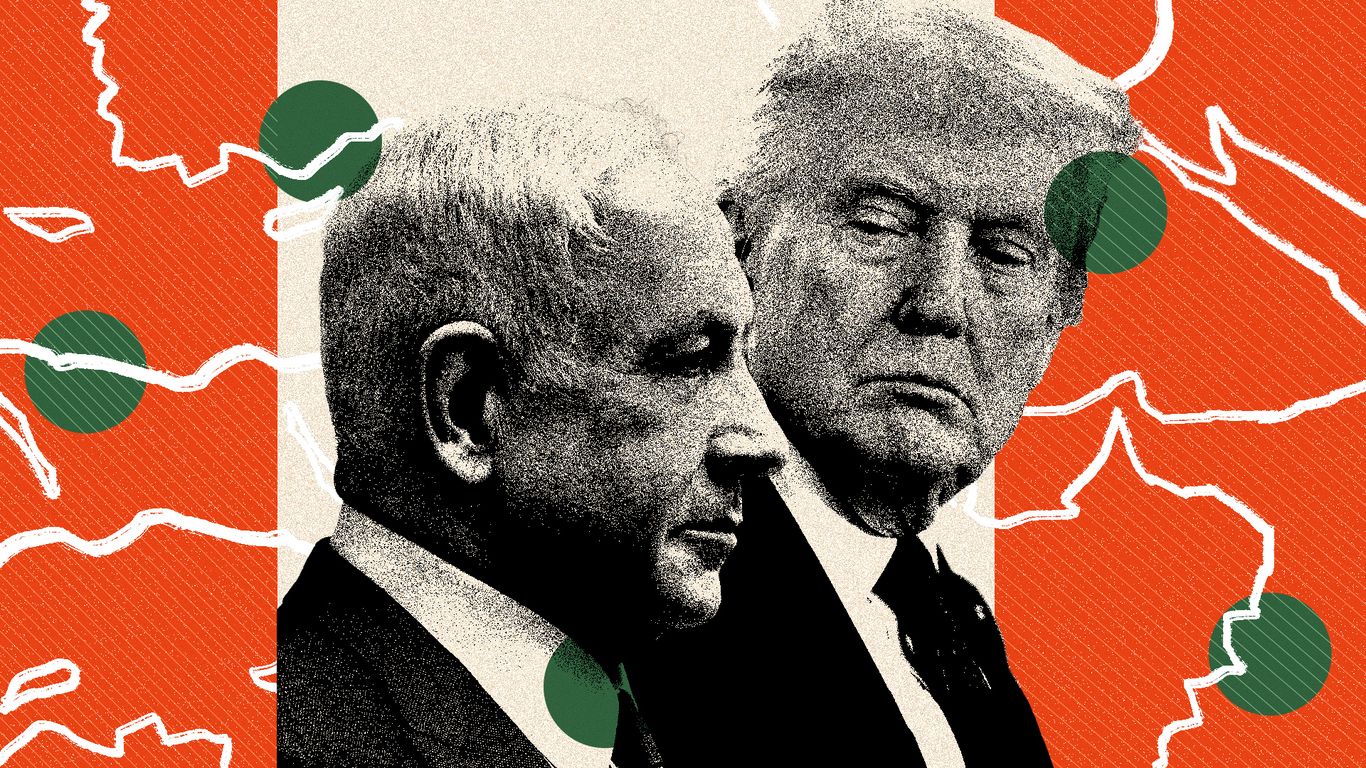
In the complex arena of international politics, leaders often find themselves entangled in conflicts that can significantly influence their domestic standing. The ongoing tensions in Israel and the broader Middle East have underscored how geopolitical strife can serve the interests of political figures. In particular, the situations involving Israeli Prime Minister Benjamin Netanyahu and former U.S. President Donald Trump highlight contrasting motives linked to warfare and political longevity.
Netanyahu’s Political Survival amid Conflict
For Netanyahu, the persistent state of conflict in Israel has often been a double-edged sword. On one hand, it provides him with vital support from nationalist groups and solidifies his base among hardline voters who prioritize security above all else. As threats loom from various adversaries, asserting a strong stance can galvanize public sentiment, allowing him to portray himself as a steadfast leader during turbulent times. This tactic not only fosters unity among his supporters but also detracts attention from internal issues such as economic challenges or corruption allegations that could otherwise undermine his political position.
Moreover, Netanyahu’s administration has historically capitalized on conflict to rally international support, particularly from the United States. By framing Israel as a frontline state against terrorism, he reinforces the narrative that Israel’s security concerns are also global concerns, appealing to American foreign policy interests. This symbiotic relationship ensures that Netanyahu continues to receive critical military and diplomatic backing, thus bolstering his political agenda.
Trump’s Needs for Peace in the U.S.
Conversely, Donald Trump’s political trajectory demands a different approach. As he navigates his position in American politics, Trump has been increasingly vocal about the need to reduce military involvement abroad, focusing instead on domestic issues. The multifaceted crises that arise from prolonged conflicts can divert attention away from his overarching campaign themes of economic recovery and national security. Ending foreign wars presents an opportunity for Trump to strengthen his narrative of prioritizing America first, attracting undecided voters who are fatigued by years of military engagement.
Additionally, a peaceful resolution in regions like the Middle East could enable Trump to solidify alliances with certain voter demographics who are seeking stability. Rather than perpetuating cycles of violence, advocating for peace aligns more closely with his campaign promises and could rekindle support from those wary of endless warfare. By positioning himself as a peacemaker, Trump not only redeems his image but also aligns with sentiments from factions of the electorate that yearn for a shift in foreign policy.
Contrasting Outcomes and Political Strategies
These diverging strategies illustrate how leaders tailor their agendas based on their circumstances. For Netanyahu, an ongoing state of unrest serves as a tool for consolidating power, while for Trump, advocating for peace presents a pathway to regain relevance in a shifting political landscape. Understanding these dynamics reveals the intricate relationship between domestic politics and international conflicts, emphasizing how leaders leverage global issues to fulfill their political ambitions.
In conclusion, the narratives surrounding Netanyahu and Trump epitomize the complex interplay between war, peace, and political survival. Their contrasting needs highlight a broader trend where leaders must navigate crises in a manner that aligns with their objectives, ultimately shaping both their fates and those of their respective nations. The implications of these relationships extend far beyond individual leaders, affecting the geopolitical landscape and influencing the course of history itself.