
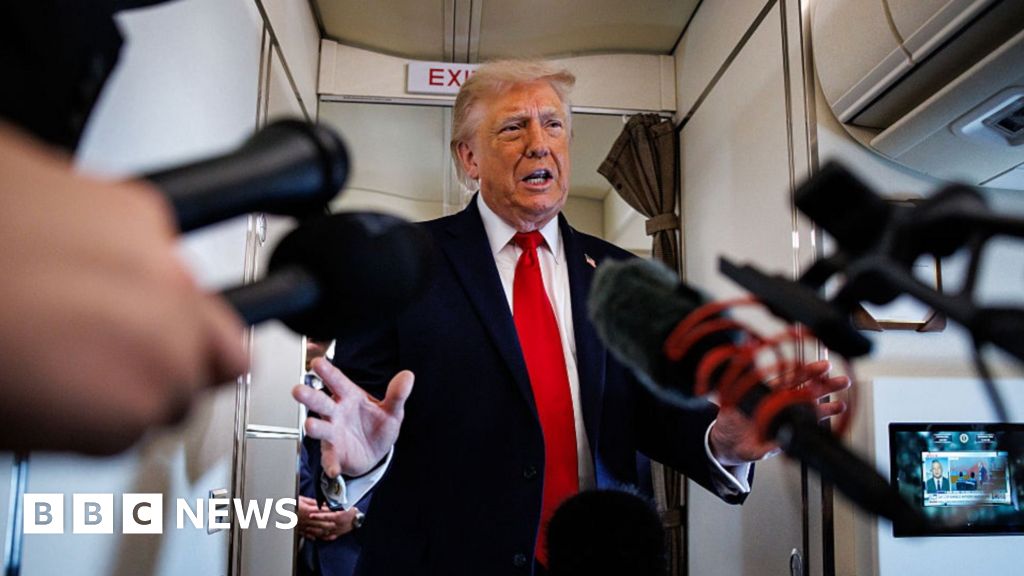
The ongoing conflict between the United States, Israel, and Iran has now entered its 101st day, marked by escalating tensions. The fragile ceasefire that had been in place for about two months has been shattered, as both Israel and Iran have engaged in missile exchanges. Notably, former President Donald Trump has suggested that he encouraged Israel to de-escalate the situation. This raises questions about whether Trump still exerts control over the dynamics of the Iran conflict.
The Resurgence of Hostilities
After a brief period of relative calm, military actions have intensified, with both nations launching missile strikes against each other for the first time since the ceasefire began. This new wave of aggression highlights the delicate balance in the region and underscores the complexity of the geopolitical landscape. Analysts suggest that these hostilities could have far-reaching implications for U.S. foreign policy and international stability, especially as tensions continue to rise.
Trump’s Role in the Conflict
Former President Trump’s influence appears to be waning, especially if he has, indeed, advised Israel to refrain from further military actions. However, the question remains: What impact does his stance have on Israel’s decision-making? The dynamics of this conflict are multifaceted, involving not just American and Israeli interests but also those of regional players. As the situation evolves, it will be critical to monitor how Trump’s actions, or lack thereof, might shape future military engagements.
International Reactions and Implications
The recent missile exchanges between Israel and Iran have drawn reactions from various international players, all of whom are closely watching the conflict’s evolution. Countries that have stakes in the region are apprehensively observing how the U.S. will respond and whether it will take a more active role to quell hostilities. The situation remains fluid, and any miscalculation could escalate the conflict further, potentially drawing in other nations and destabilizing the broader Middle East.
The Path Forward
As the 101-day mark of the U.S.-Israel-Iran conflict highlights the fragile state of peace, the question of how to achieve lasting stability becomes paramount. Diplomatic interventions may be necessary to prevent further escalation. It’s increasingly evident that ongoing military actions will not yield sustainable solutions, and a pivot toward dialogue could open avenues for de-escalation. The roles of various nations, including the U.S., Russia, and European countries, will be essential in navigating a path forward that prioritizes regional stability over military might.
In conclusion, the events of the past few days have raised significant questions about the state of U.S. influence in the ongoing Iran war. As missile strikes resume and diplomatic channels seem to falter, the need for a comprehensive strategy to address the complexities of Middle Eastern geopolitics has never been more urgent.