
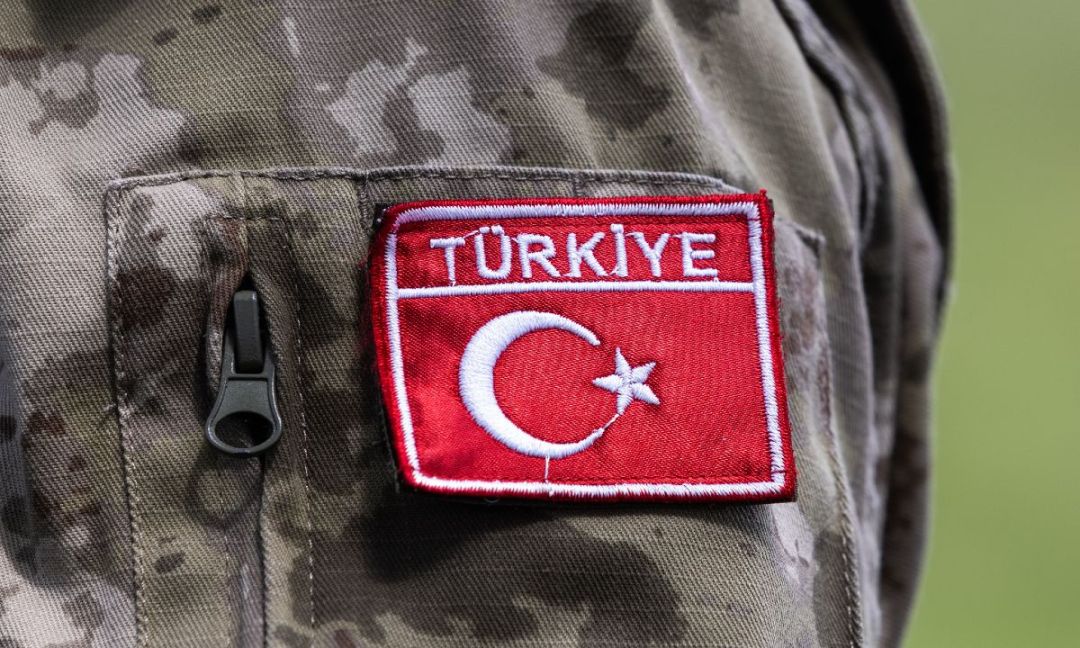
NATO’s upcoming summit in Ankara this July presents a significant opportunity for leaders to assess the alliance’s future, especially given Turkey’s strategic importance amid ongoing geopolitical challenges. As the U.S. re-evaluates its role in European security, including the impending drawdown of forces from Germany, Turkey’s position within NATO is more crucial than ever. With the second-largest military in the alliance and a geographical location that bridges Europe, the Middle East, and the Caucasus, Turkey is pivotal to NATO’s operational capacity.
The Turkey Paradox in NATO
Turkey embodies a paradox within NATO: while its military capabilities and geographic importance are undeniable, its complex domestic politics and independent foreign policy often create friction among allies. Disputes over issues such as sovereignty claims in Cyprus, its purchase of Russian military systems, and diverging views on the Syrian conflict illustrate the difficulties NATO faces in reconciling Turkey’s strategic value with its political challenges. Despite these issues, Turkey’s influence grows as NATO confronts crises along its southern and eastern flanks, emphasizing the need for all members to navigate the delicate balance of power.
A Historical Perspective on Turkey’s NATO Membership
Turkey’s NATO membership, initiated in 1952, was decisively influenced by the need to counter Soviet threats post-World War II. The Truman Doctrine provided an American security umbrella, but Turkey sought a more robust guarantee through NATO. The alliance’s collective defense promise, particularly Article 5, was attractive to Ankara, as it symbolized a commitment to protect its sovereignty. However, Turkey’s entry was not without contest. Some European allies were apprehensive about the implications of admitting Turkey, fearing it might stretch NATO’s reach and complicate decision-making.
Turkey’s Evolving Role in a Changing Security Landscape
As global threats evolve, so has Turkey’s role within NATO. The end of the Cold War raised questions about Turkey’s strategic relevance; however, the Gulf War reaffirmed its position as a pivotal player in regional security dynamics. Turkey’s geographical advantage, alongside its active military participation, reinforced its value to NATO. Yet, the relationship has often oscillated between necessity and mistrust, particularly following significant incidents that challenged the alliance’s cohesiveness, such as the Cyprus crisis and Turkey’s purchase of Russian S-400 defense systems.
In recent years, Turkey’s increasing skepticism toward NATO and its transactional approach, characterized by exercising veto power over various alliance initiatives, has made the partnership more complicated. This strategy indicates Ankara’s determination to ensure its security needs are taken seriously by its allies, often leading to tense diplomatic exchanges. Nevertheless, NATO’s capacity to integrate Turkey’s regional perspectives while addressing its concerns may prove vital as the geopolitical landscape continually shifts.
Ultimately, the upcoming Ankara summit is set against a backdrop of growing concerns regarding Russia’s aggression and the implications for European security. Turkey’s roles in regulating access in the Black Sea and expanding defensive capabilities highlight its ongoing importance. However, the underlying tensions and political discomfort between Ankara and other NATO members remain critical points of contention. The primary challenge for NATO will be fostering a partnership that recognizes Turkey’s strategic necessity while addressing the lingering apprehensions that accompany it. As leaders convene, the focus will likely be on navigating this complex relationship, with an eye on creating a more cohesive and effective alliance in the face of emerging global threats.