
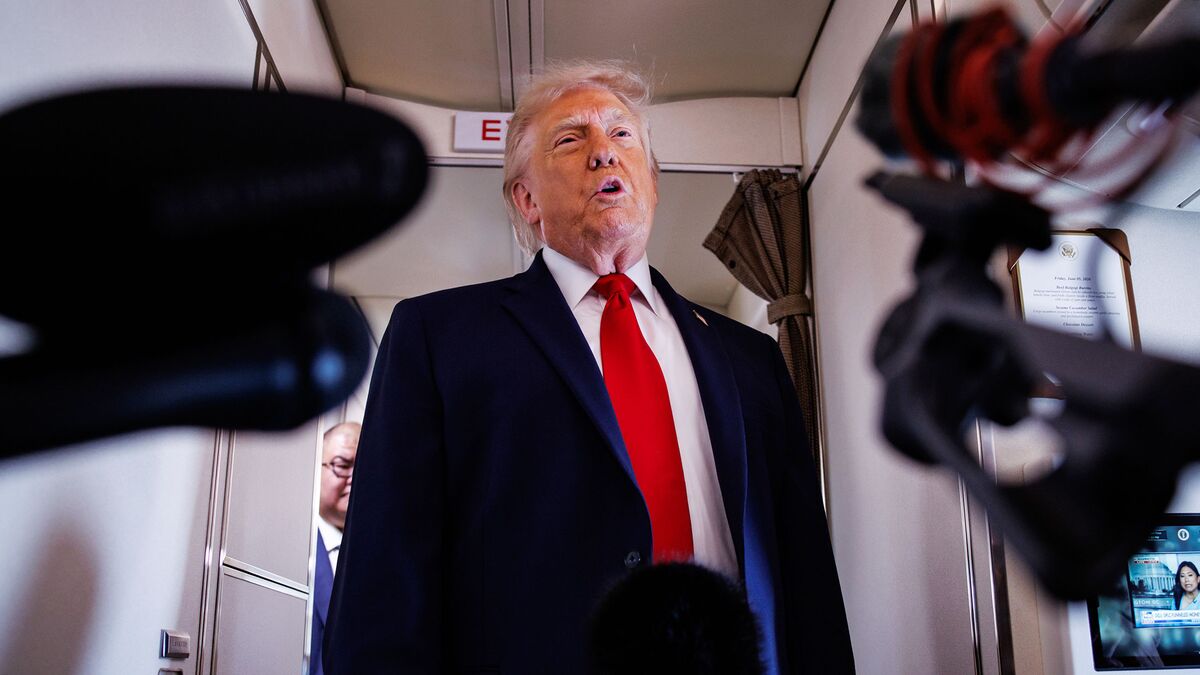
In recent developments, U.S. President Donald Trump has reiterated his assertions about progress in resolving the longstanding conflict with Iran. His administration recently played a pivotal role in negotiating a ceasefire between Israel and Iran, contributing to a de-escalation of tensions that could otherwise hinder broader peace initiatives in the region.
The Ongoing Conflict with Iran
The situation between Iran and Israel has been fraught with tension for decades, with both nations engaging in various hostilities. Iran’s support for groups that oppose Israeli interests has further complicated matters. In this context, Trump’s efforts to mediate a ceasefire represent a significant shift—potentially opening avenues for more extensive peace talks that involve multiple stakeholders. The aim is not just to halt immediate hostilities but to build a framework for lasting peace in the Middle East.
Negotiating a Ceasefire: Key Players and Tactics
Trump’s administration utilized diplomatic channels to bring key players together for discussions aimed at de-escalating the conflict. By leveraging relationships with both Israeli and Iranian officials, the U.S. has positioned itself as a critical mediator in the region. The negotiation process involved not only halting active military engagements but also addressing underlying grievances that fuel animosity. This could serve as a stepping stone toward more comprehensive dialogues that encompass various regional issues, including security, trade, and mutual recognition.
Impact on Broader Peace Efforts
The successful negotiation of a ceasefire has implications that extend beyond the immediate parties involved. A stable relationship between Iran and Israel could pave the way for broader reconciliation efforts within the Middle East. Countries in the region have often found themselves sidelined in these conflicts, but a ceasefire could help unite them against common threats, such as extremism and terrorism. Moreover, a reduction in hostilities might facilitate economic cooperation and trade, fostering an environment conducive to long-term stability.
Looking Ahead: Challenges and Opportunities
While Trump’s optimism regarding progress is noteworthy, the path ahead remains fraught with challenges. The entrenched positions of both Iran and Israel pose significant hurdles to achieving lasting peace. Additionally, regional dynamics often shift unexpectedly, complicating the situation further. However, if diplomatic channels remain open and both parties demonstrate a commitment to peace, there exists the potential for a transformative impact on Middle Eastern geopolitics. A cautious but hopeful approach could be beneficial, enabling all involved to work toward resolutions that prioritize security and cooperation.
In conclusion, U.S. President Donald Trump’s renewed claims about reducing tensions with Iran may signify a turning point in Middle Eastern relations. The successful negotiation of a ceasefire between Israel and Iran highlights the potential for diplomatic resolutions in an often chaotic landscape. Moving forward, the focus must be on fostering dialogue and collaboration to tackle the underlying issues that contribute to regional instability.