
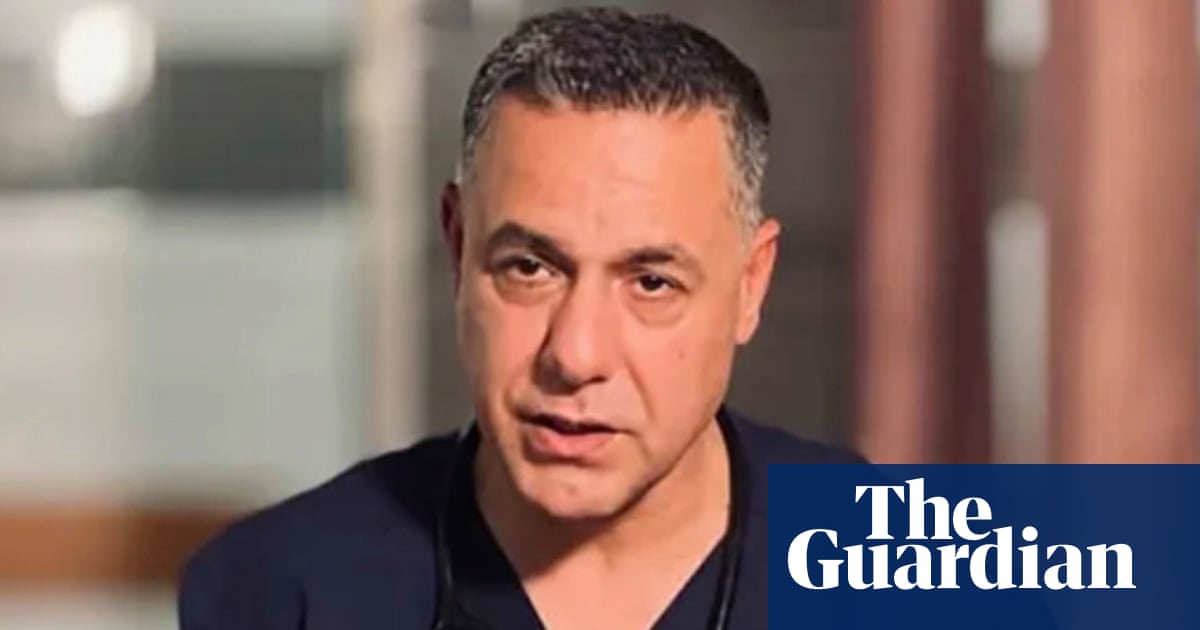
Dr. Hussam Abu Safiya, a well-known Palestinian physician and director of Kamal Adwan Hospital, has been the center of a troubling case involving his prolonged detention by Israeli authorities. After being taken into custody on December 27, 2024, Dr. Abu Safiya remains without formal charges, raising significant concerns about his treatment and wellbeing while in custody.
Concerns for Health and Safety
After being held for over 500 days, Dr. Abu Safiya has recently been transferred to solitary confinement in a maximum-security prison. His son, Elyas Abu Safiya, who is also a medical professional, has expressed deep concerns regarding his father’s health and current conditions in solitary confinement. Reports indicate that Dr. Abu Safiya has not received proper medical treatment for serious health issues, including untreated wounds from shrapnel that lodged in his thigh at the time of his arrest.
During a recent visit by a lawyer from Physicians for Human Rights Israel (PHRI), Dr. Abu Safiya described the harsh realities of his detention, noting inadequate food supplies and untreated medical problems. Elyas emphasized that his father was initially denied even basic changes of clothing, which has led to skin infections and other health complications due to unsanitary conditions. He is currently held in a tiny solitary cell, measuring approximately one meter by one meter, which severely limits his mobility and overall comfort.
Violations of Human Rights
The circumstances of Dr. Abu Safiya’s detention echo broader issues surrounding the treatment of Palestinian detainees. His case is part of a concerning trend where medical personnel in Gaza, including doctors, often face prolonged detention without any formal accusations. Elyas reports that the sole basis for his father’s detention appears to be his refusal to abandon his patients during military operations surrounding the hospital.
International organizations like the United Nations have criticized Israel for holding individuals like Dr. Abu Safiya under the classification of “unlawful combatants,” which allows for indefinite detention without charge. Following a recent lawyer’s visit on June 4, it was confirmed that Dr. Abu Safiya was relocated to solitary confinement without any explanation, raising additional alarms about human rights violations.
Legal Obstacles and Appeals
Dr. Abu Safiya’s legal representation has attempted to challenge his detention through appeals, but the response from Israeli authorities has been limited. The Israeli officials cited the “unlawful combatants law,” which imposes a gag order on legal proceedings, severely restricting access to information about the case and diminishing opportunities for legal recourse.
In addition to Dr. Abu Safiya, numerous other medical professionals are enduring similar circumstances in Israeli prisons. PHRI recently filed a petition with the Israeli High Court of Justice seeking the release of 14 Palestinian doctors, including Dr. Abu Safiya, whose detention raises serious ethical and legal concerns.
Despite the growing calls from human rights advocates and international bodies demanding medical attention and respect for detainee rights, the situation remains dire. Reports from other detainees confirm a worsening environment, featuring limited access to medical care and harsh treatment by prison guards.
As more details emerge about the mistreatment of Dr. Hussam Abu Safiya and his colleagues, the implications for medical professionals and humanitarian workers in conflict zones become increasingly evident. The need for accountability and respect for basic human rights is vital, not just for Dr. Abu Safiya but for all those unjustly held without charge.