
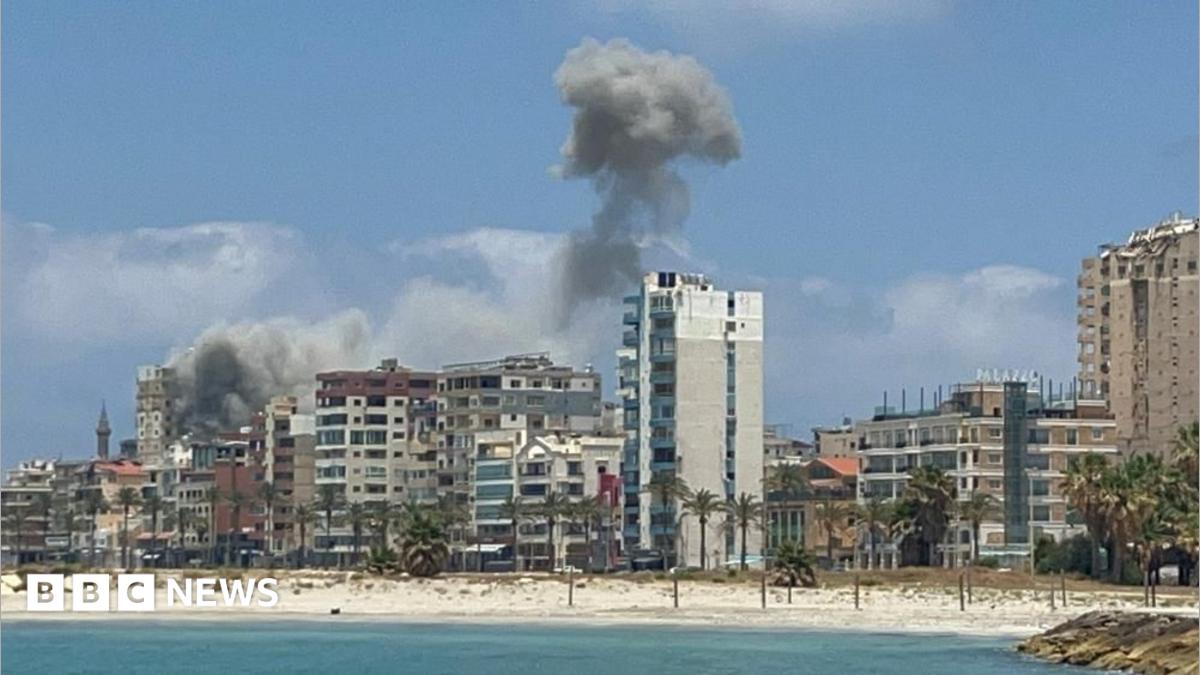
The ongoing conflict between Israel and Hezbollah has reached a critical juncture, with no signs of easing tensions. As Israel intensifies its military operations against the Iran-supported group in Lebanon, it becomes clear that both parties are gearing up for further escalations rather than seeking resolution.
The Genesis of the Conflict
The confrontation began when Hezbollah launched a series of rocket attacks into Israeli territory, a response to the assassination of Iran’s supreme leader amid escalating hostilities between the US, Israel, and Iran. Israel replied with a significant bombing campaign across Lebanon, leading to devastating casualties, including more than 3,600 deaths, many of whom were civilians. The damage has been profound, with entire villages reduced to rubble under Israel’s military strikes. This groundwork of violence has created a precarious situation that continues to evolve.
Israel’s Aims and Public Opinion
Israel’s primary objective is to establish a buffer zone free of Hezbollah influence along its northern border. This initiative aims to safeguard Israeli communities from the advancements of the militant group’s rockets and drones. Public sentiment in Israel currently leans toward maintaining the military action, as many citizens believe it’s essential for national security. However, restrictions imposed by external political influences, notably Donald Trump’s administration, have created a complex backdrop, leading to uncertainty regarding the effectiveness of the ongoing military strikes in dismantling Hezbollah’s capabilities.
Hezbollah’s Stance and Domestic Dynamics
Hezbollah, while facing isolation domestically, has firmly rejected external demands for disarmament. The Lebanese government has reiterated that any disarmament process must unfold through diplomatic channels rather than military pressure. This refusal highlights the group’s entrenched position within Lebanon, making negotiations increasingly challenging. With the group remaining defiant, the prospect of peaceful dialogue appears bleak.
The Road Ahead: A Cycle of Confrontation
Both Israel and Hezbollah show little willingness to retreat from their current stances, suggesting a grim outlook for potential de-escalation. Each new military action hardens the resolve of both sides, potentially setting the stage for a prolonged confrontation. As long as both parties maintain their aggressive strategies, the possibility for a diplomatic resolution remains dim.
In conclusion, the Israel-Hezbollah conflict exemplifies a complex interplay of military aggression, public support, and international dynamics. With both sides entrenched in their positions, the path forward appears fraught with challenges, raising questioning around future tactics and the quest for peace in the region. Exploring alternatives to the current escalation might provide a pathway towards more constructive dialogues, but achieving this goal requires a fundamental shift in the approach taken by both parties.