
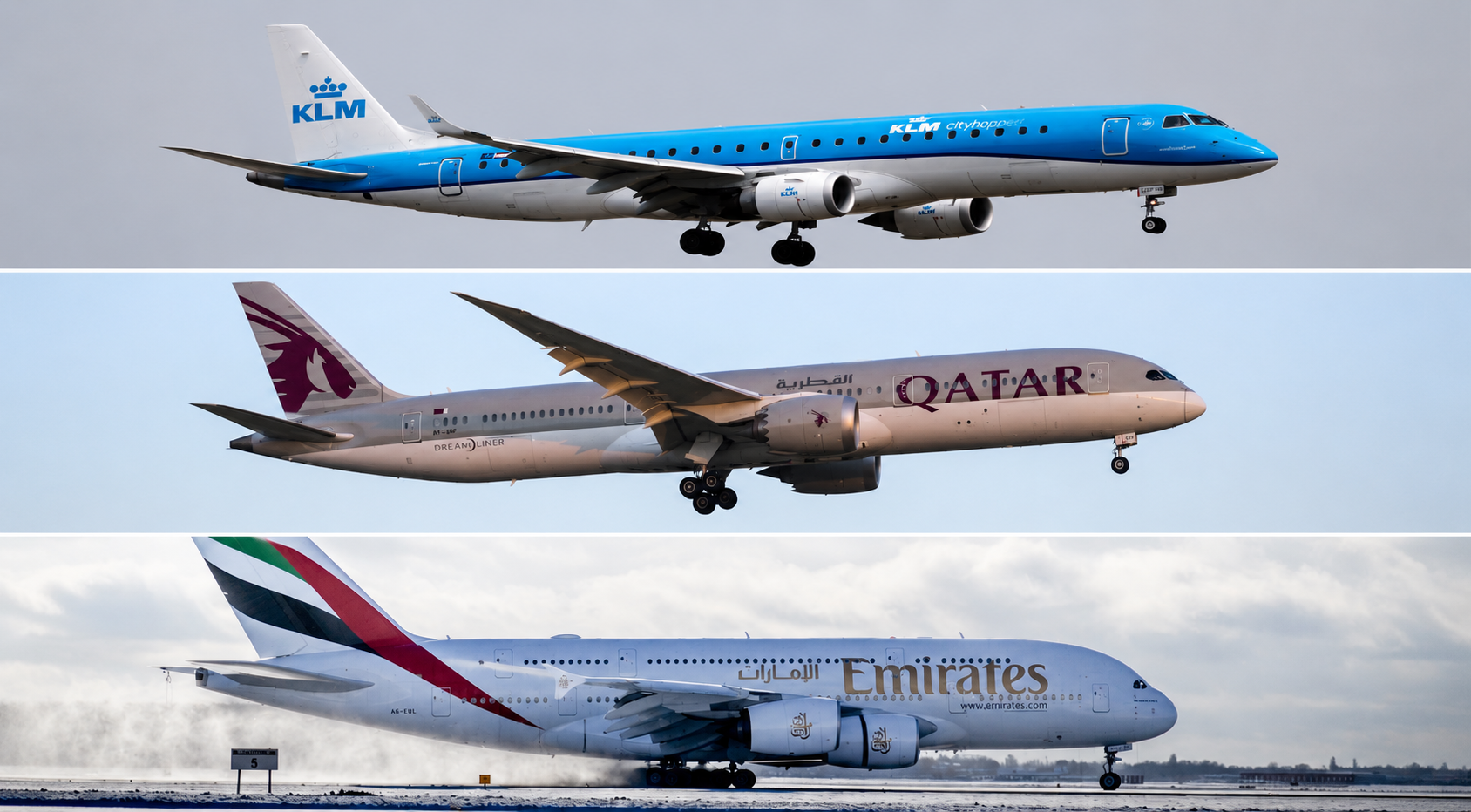
As the African aviation sector prepares for significant expansion, international airlines are strategizing to capture a portion of this burgeoning market. Notably, major global carriers are collaborating and competing with African airlines, forming unusual partnerships that redefine industry dynamics.
The Unconventional Partnerships in African Aviation
The landscape of African airlines is marked by unexpected alliances, revealing a complex interrelationship among carriers. Notably, entities such as Air France-KLM, Qatar Airways, and Emirates have substantial stakes in various African airlines. These foreign investors frequently appear on the same shareholder lists, illustrating a unique scenario where rival companies are also partners. This blending of interests allows these airlines to leverage their market presence, enhancing operational capabilities and improving connectivity within the region.
Impacts of Restrictive Regulations
While the venture of foreign airlines into Africa presents numerous opportunities, it is not without challenges. National regulations limit foreign ownership in local carriers, preserving a degree of protectionism. Despite these restrictions, international firms manage to establish a significant foothold, allowing them to influence the market dynamics. As African aviation continues to grow, these partnerships could play a crucial role in shaping future developments, enabling global players to adapt to local market conditions while expanding their reach.
Forecasting African Aviation’s Future
Industry experts predict that Africa’s aviation sector will undergo transformative changes over the coming years. The demand for air travel in Africa is expected to increase significantly, driven by rising economic growth and demographic shifts. In this context, established carriers like Air France-KLM, Qatar Airways, and Emirates intend to deepen their connections with African airlines, positioning themselves to capitalize on the anticipated growth. As African nations invest further in their aviation infrastructure, it is likely that we will see a collaborative approach to enhance air travel and tourism, benefiting not just airlines but the entire region.
The Competitive Edge of Global Airlines
For international airlines, the African market represents a lucrative opportunity not just for revenues but also for strategic positioning. Collaborations with local airlines can provide global carriers with invaluable market insights and operational efficiencies. These relationships help navigate the complexities of regulatory environments and tailor services that resonate with African consumers. By fostering these alliances, global players can achieve a competitive edge, enhancing their service offerings while effectively entering an evolving marketplace.
As the African aviation industry moves towards this promising future, the interplay between global players and local carriers will undoubtedly redefine air travel across the continent.