
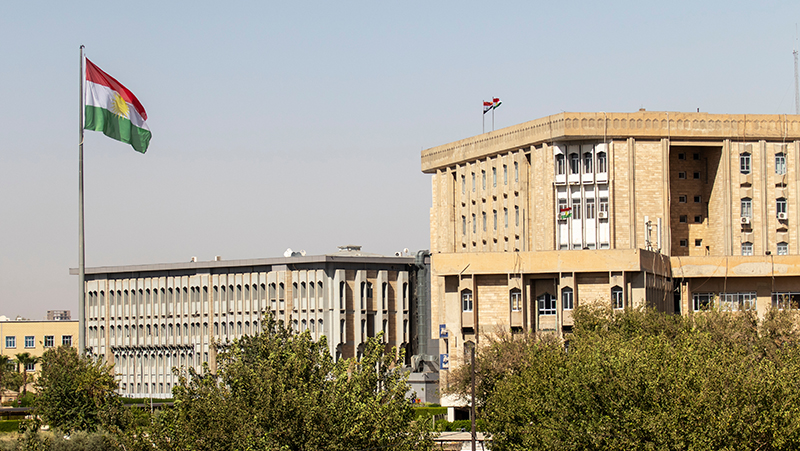
The ongoing US-Israeli conflict with Iran has significant implications for neighboring regions, particularly the Kurdistan Region of Iraq (KRI). Although KRI has maintained a neutral stance, it has not been immune to the war’s fallout. The presence of approximately 2,000 US troops in the area has made it a target for Iranian-backed attacks. Additionally, the Kurdish opposition has experienced over 800 strikes from Iranian forces since the outbreak of hostilities in late February 2026. Tehran claims these Kurdish factions are pursuing separatist agendas and colluding with the US, further complicating an already precarious situation.
Political Instability Amid External Threats
The war has not only external repercussions but also exacerbates existing internal divisions within the KRI. The Kurdish political landscape is bifurcated between the Kurdistan Democratic Party (KDP) and the Patriotic Union of Kurdistan (PUK). These two primary parties find themselves in a state of political deadlock, particularly concerning the formation of a new government and the distribution of revenue. The lack of a unified political strategy hampers efforts to combat external pressures. This situation is further complicated by divisions within the Peshmerga forces, which have traditionally served as the KRI’s military backbone.
As Iranian strikes increase, Kurdish dependency on the United States as a security ally is likely to grow. Some factions argue that a continued US presence is essential for regional stability. Conversely, others may seek to distance themselves from Washington and strengthen ties with Baghdad or Tehran. This internal strife not only undermines the Kurdish military and political standing but also poses challenges for US policymakers. The US is caught in a dilemma: either maintain its military presence, which could escalate tensions, or withdraw and risk losing influence.
Challenges in Baghdad-Erbil Relations
Relations between Iraq’s central government and the KRI have historically been fraught with tension, particularly over issues like oil management and budget allocations. The Kurdistan Region has significant oil reserves, prompting ongoing disputes about control and revenue-sharing arrangements between Erbil and Baghdad. As the Iran war unfolds, these disagreements may worsen, complicating its ability to navigate the prolonged conflict while also addressing pressing domestic issues.
The appointment of a new Iraqi Prime Minister, Ali al-Zaidi, may smooth some diplomatic rifts but unlikely resolve core disputes. The ongoing deadlock between the KDP and PUK has severely weakened the KRI’s negotiating power within Baghdad, making it harder to advocate for its interests, particularly under the pressures posed by the war.
Economic Implications and the Future of the KRI
The economic ramifications of the Iran war also weigh heavily on the KRI. The region depends on budget transfers from Baghdad to fund public sector salaries, but disputes over oil production and revenue-sharing have led to halts in transfers, leaving many in the KRI vulnerable. Baghdad has used its control over financial resources to assert authority, while Erbil’s attempts to secure fiscal autonomy are met with resistance.
These economic struggles are likely to intensify in the wake of the Iran conflict. Kurdish leadership may argue for predictable funding as a counter to the heightened threat from Iranian forces, emphasizing the need for independent military capabilities. Conversely, Baghdad might make any support contingent on compliance with federal revenue-sharing agreements, turning what ought to be technical discussions into political battlegrounds.
In conclusion, the KRI faces a dual challenge of external aggression and internal division amid the backdrop of the Iran war. The situation necessitates a balanced approach from the US, which must be wary of both escalating tensions and withdrawing support that could leave its Kurdish allies vulnerable. The long-term viability of the KRI—and Iraq’s political stability—will depend on its ability to forge internal unity while navigating complex regional dynamics.