
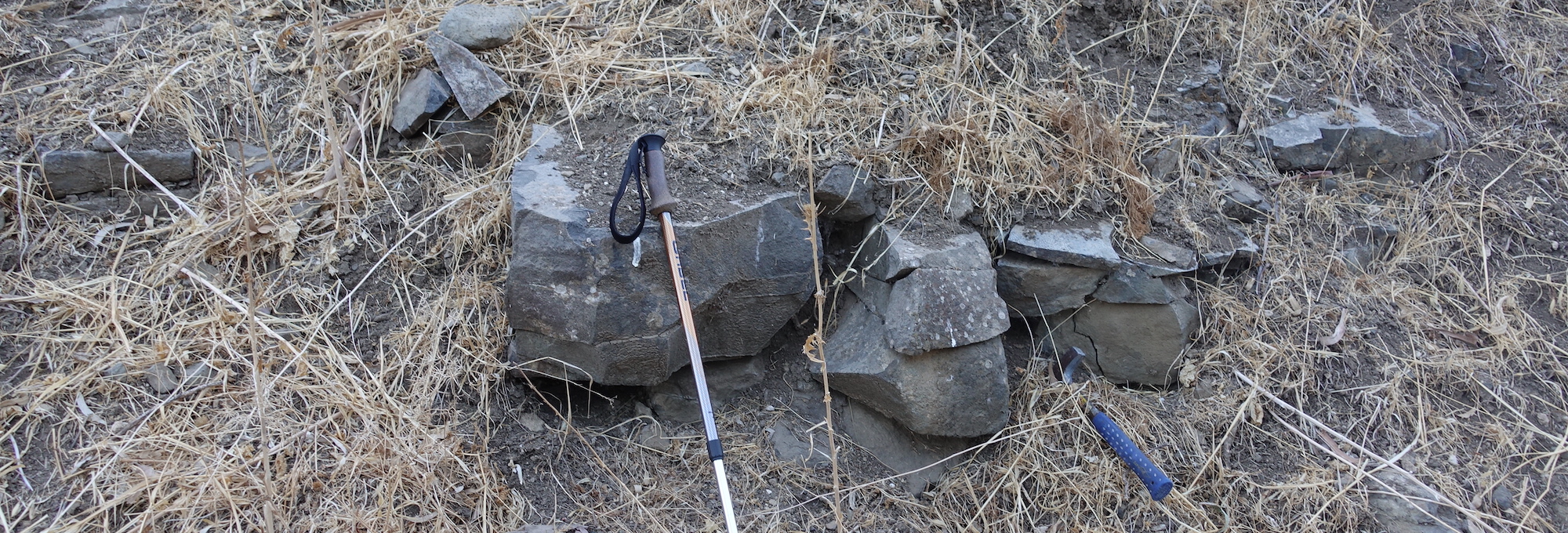
New discoveries in archaeology continually reshape our understanding of ancient human civilizations. A recent examination of a fascinating find in Israel has unearthed vital insights into the geological and cultural aspects of early human life.
The Significance of the Find
A statement from the Hebrew University of Jerusalem reveals that researchers have analyzed basalt flows that date back 780,000 years. This geological phenomenon not only sheds light on the environmental conditions of the time but also offers context for human activities in the region. The basalt flows suggest that ancient humans utilized the landscape in ways we have only begun to understand.
Located in Jerusalem, this area has long been of interest to archaeologists, and this recent study underscores its importance in the broader narrative of human history. The analysis of these geological materials opens up discussions on how humans adapted to their surroundings, making it a crucial piece of the puzzle in understanding early settlement patterns and behaviors.
Cultural Implications
The existence of these ancient basalt flows raises questions about the early human societies that populated the region. How did these geological formations influence their daily lives? Did they play a role in tool-making or other essential survival tactics? As researchers delve deeper into this inquiry, they may uncover valuable information about the social structures and interactions of early communities.
Understanding these cultural implications is vital, as it helps historians piece together how ancient humans utilized available natural resources. The interplay between geology and cultural practices provides a multifaceted view of life 780,000 years ago, illustrating the ingenuity of our ancestors.
Future Research Directions
This groundbreaking study sets the stage for future research focused on the intersection of geology and archaeology. As scientists continue to analyze these ancient rock formations, they may also explore other environmental factors that influenced human settlement. The collaboration between geologists and archaeologists will be essential in unraveling the complexities of the past.
Furthermore, this find invites scholars to broaden their scope to include various methodologies and disciplines, ensuring a more comprehensive understanding of ancient life. As technology continues to advance, it will likely enhance the analytical processes, leading to new insights and discoveries.
Conclusion
The exploration of these 780,000-year-old basalt flows is a significant chapter in the ongoing saga of human history. This discovery is not just about understanding geology but also offers profound implications for how early humans interacted with their environment. As researchers continue to investigate these fascinating geological structures, we anticipate a wealth of new knowledge that could revolutionize our understanding of how humanity has evolved over millennia. The future of archaeological research in this area is promising, with the potential to offer answers to lingering questions about the lifestyles of our ancient ancestors.