
Jordan recently reported successfully intercepting five Iranian missiles aimed at its territory, shedding light on the escalating tensions in the region. This incident underscores the precarious nature of Middle Eastern geopolitics, especially in the context of the ongoing conflict involving the U.S. and its allies.
Missile Interception in Jordan
On Wednesday, Jordanian authorities announced that they had shot down five missiles that were reportedly launched from Iran. The missiles were directed towards the Muwaffaq Salti Air Base, a strategic location known to host American F-35 fighter jets and other military aircraft. Thankfully, the Jordanian military confirmed that there were no injuries resulting from this attack. This event has added another layer to the already complex landscape of military engagements across the region, signaling a renewed threat from Iranian forces.
Recent Developments in the Middle East Conflict
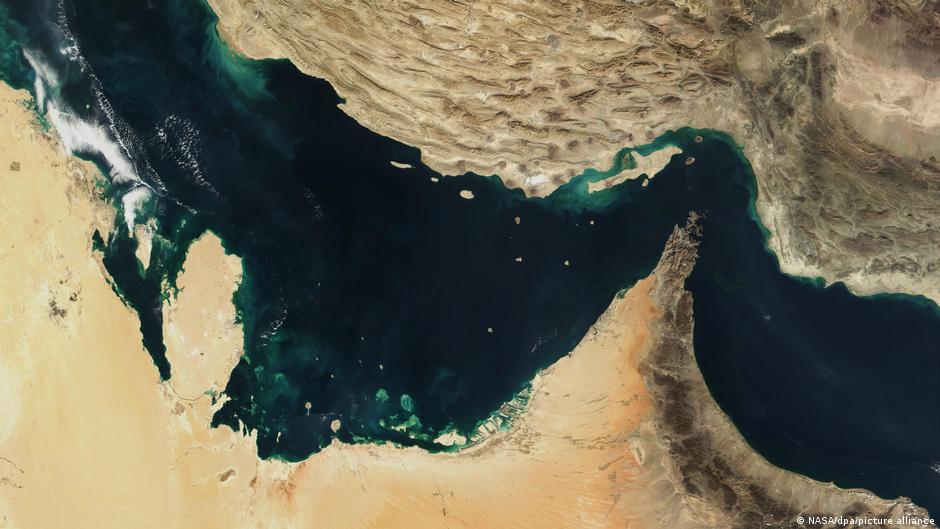
Tensions have escalated sharply between the U.S. and Iran, with this recent missile attack illustrating the fragility of the ceasefire established on April 8. Following the missile incident, recent military actions have also involved exchanges of fire between Iran and Israel, intensifying the precarious situation. The U.S. Central Command revealed that it conducted strikes on Iranian positions after a U.S. Apache helicopter was reportedly downed over the Strait of Hormuz. This sequence of attacks highlights that hostilities are far from over, despite the temporary ceasefire.
Key events shaping the current conflict include:
– U.S. Central Command’s confirmation of strikes on Iranian assets.
– President Donald Trump’s threats of retaliation following the downing of the helicopter.
– Reports of Iranian attacks targeting U.S. military facilities in Kuwait, Jordan, and Bahrain.
– A stern warning from Iran’s foreign minister, advising the U.S. to withdraw from the region for their own safety.
Future Implications
As the conflict continues to evolve, the geopolitical landscape of the Middle East remains uncertain. The recent missile attacks and counterstrikes are indicative of larger power struggles at play that could have far-reaching consequences for regional stability. The fragile ceasefire primarily aimed at halting violence appears to be under increasing strain, raising questions about future diplomatic efforts.
The incident in Jordan is not merely a localized event—it reflects a broader array of ongoing tensions that could potentially escalate if left unaddressed. Stakeholders are being urged to explore diplomatic channels to avert further escalation while maintaining security in affected areas.
In this intricate web of military engagements, it’s vital to stay informed about the developments as they unfold. The situation is dynamic, and the potential for further violence remains high, leaving both regional and global communities watching closely.