
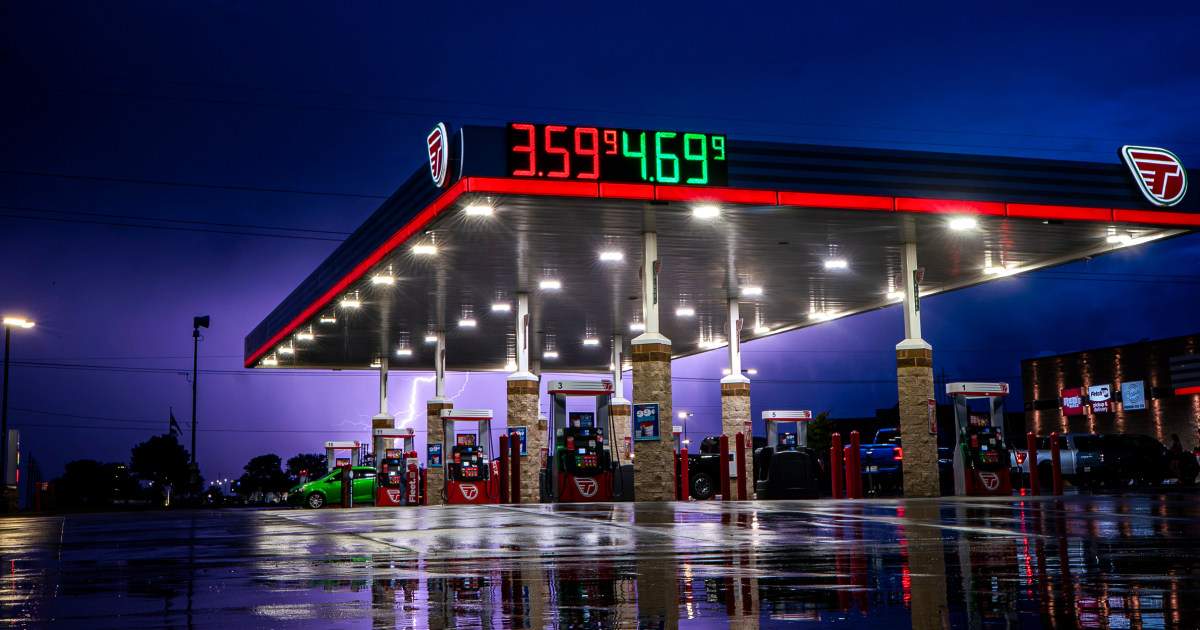
Inflation continues to rise as increasing energy prices exert pressure on U.S. households. The recent conflict with Iran has played a significant role in this uptick, pushing consumers to feel the strain. As we delve deeper into this economic landscape, we can observe how these fluctuations affect various sectors of the economy.
Inflation Rates on the Rise
Recent estimates suggest that inflation may have increased for the third consecutive month in May. The Bureau of Labor Statistics is expected to release the Consumer Price Index (CPI) report soon, with predictions indicating an annual inflation rate of 4.2%. This marks a substantial increase from the 2.4% level seen before the war, positioning it as the highest point since early 2023. Analysts from Lloyd’s Bank noted that while high energy prices contribute to upward pressure, the extent may be less severe than in previous months.
Impact of Rising Energy Costs
Since the onset of hostilities with Iran, oil prices have surged nearly 40%. Although current U.S. crude oil prices are down from earlier highs exceeding $115 per barrel, retail gasoline prices remain an area of concern. While they have fallen by 40 cents from their peak, consumers still face prices that are approximately 40% higher than before the conflict began. Industry experts warn that this may not be the end of the pain; energy stockpiles are reportedly depleting rapidly, particularly due to disruptions in oil transit through critical routes. If this trend continues, prices may spike once again.
Core Inflation and Consumer Products
One key metric to watch is core inflation, which excludes volatile food and energy prices. The upcoming report is anticipated to show core inflation near 3%. Despite limited evidence of this overall inflation affecting core inflation as of now, Bank of America analysts have indicated growing concerns. They warn that as materials costs and supply chain disruptions continue, inflation could mirror the patterns observed in 2022 when it peaked at 8.9%.
The Federal Reserve’s Response
Amid rising inflation concerns, the Federal Reserve is closely monitoring labor market trends, especially following the recent report showing the addition of 172,000 jobs in May. This data influences the Fed’s decision-making regarding interest rates. Market expectations are leaning toward potential rate hikes, with traders forecasting a 60% chance of one occurring as soon as October. The Fed acknowledges that ongoing trends in inflation need to be addressed to stabilize economic conditions.
In summary, rising inflation driven by energy prices is creating a ripple effect throughout the economy. As federal officials prepare to take necessary actions, the focus remains on monitoring core inflation and labor market stability. If these trends persist, consumers could find themselves facing even higher costs across a range of goods, making careful attention to economic indicators essential.