
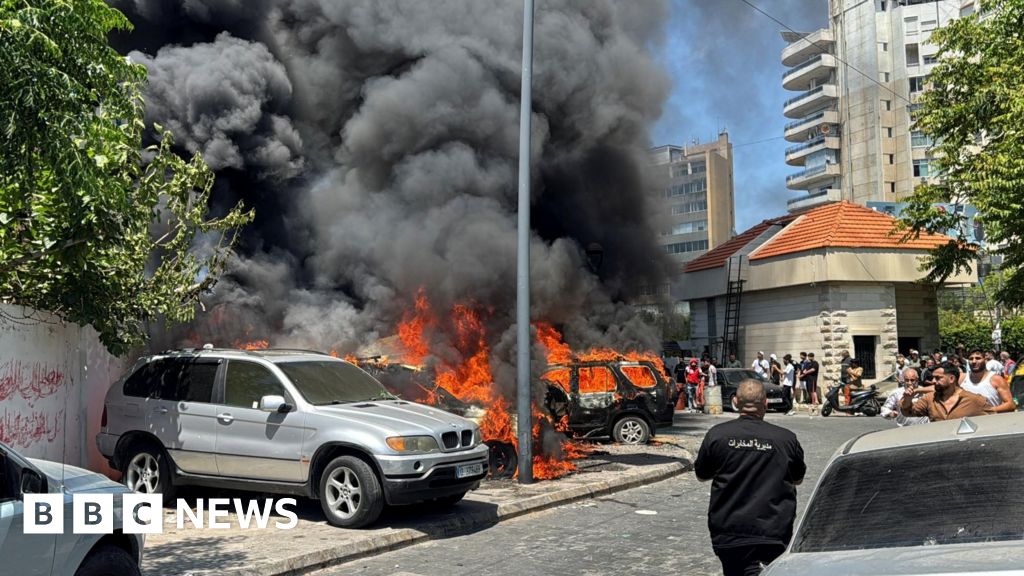
Nine individuals lost their lives in a string of assaults in Tayr Debba, as reported by Lebanon’s state news agency. This tragic event highlights the ongoing security challenges that the region faces, raising concerns about safety and stability.
Context of the Violence in Tayr Debba
The recent series of attacks in Tayr Debba, a town in southern Lebanon, has sparked outrage and grief among the local population. Such incidents are not isolated but part of a broader pattern of violence affecting the region. The killings have prompted fears of escalating tensions, particularly in an area already marked by political instability and sectarian divides.
Residents were taken by surprise at the suddenness of the attacks, which have caused significant distress in a community already grappling with numerous challenges. In the aftermath, security forces have been deployed to restore order and investigate the circumstances surrounding these tragic events. Nonetheless, many community members remain skeptical about the effectiveness of these measures.
Response from Authorities
Lebanon’s government has condemned the attacks, expressing solidarity with the victims’ families. There have been calls for enhanced security measures in the region to deter further violence. Local officials, citing the need for a comprehensive approach to dealing with the underlying issues, have emphasized the importance of community engagement in fostering a safer environment.
However, the response has been met with mixed reactions from the residents. While some feel reassured by the government’s prompt condemnation, others express frustration over the perceived lack of tangible action to address ongoing security concerns. Many believe that mere statements of solidarity will not suffice to ensure their safety.
The Implications for Regional Stability
This latest wave of violence poses serious questions about the overall stability of Lebanon and the surrounding areas. The attacks in Tayr Debba may set a troubling precedent if not adequately addressed, with the potential to incite further unrest. The local population is understandably apprehensive, fearing that continued violence will erode whatever sense of normalcy remains in their lives.
Furthermore, the geopolitical landscape surrounding Lebanon complicates matters. Various groups vie for influence within the region, and external pressures may exacerbate domestic tensions. A prolonged period of instability could have significant consequences for Lebanon’s social and economic fabric, undermining years of efforts toward peace and recovery.
Conclusion and Call for Peace
The tragic deaths in Tayr Debba serve as a stark reminder of the complex challenges facing Lebanon. Moving forward, it is crucial for leaders and communities to come together, prioritizing dialogue and mutual understanding over violence. A unified effort can pave the way for healing and recovery, fostering a more peaceful environment for future generations. As the nation grapples with its past and present, the call for enduring peace has never been more urgent.