
Kuwait’s Recent Oil Sales Mark a Shift in Global Supply Dynamics
In a notable development for the global oil market, Kuwait has commenced selling its crude to Asian refiners for the first time since the onset of the Iran war. This action reflects a potential reopening of oil flows through the critical Strait of Hormuz, suggesting a shift in the balance of supply amid ongoing geopolitical tensions.
Kuwait’s Offerings to Asia
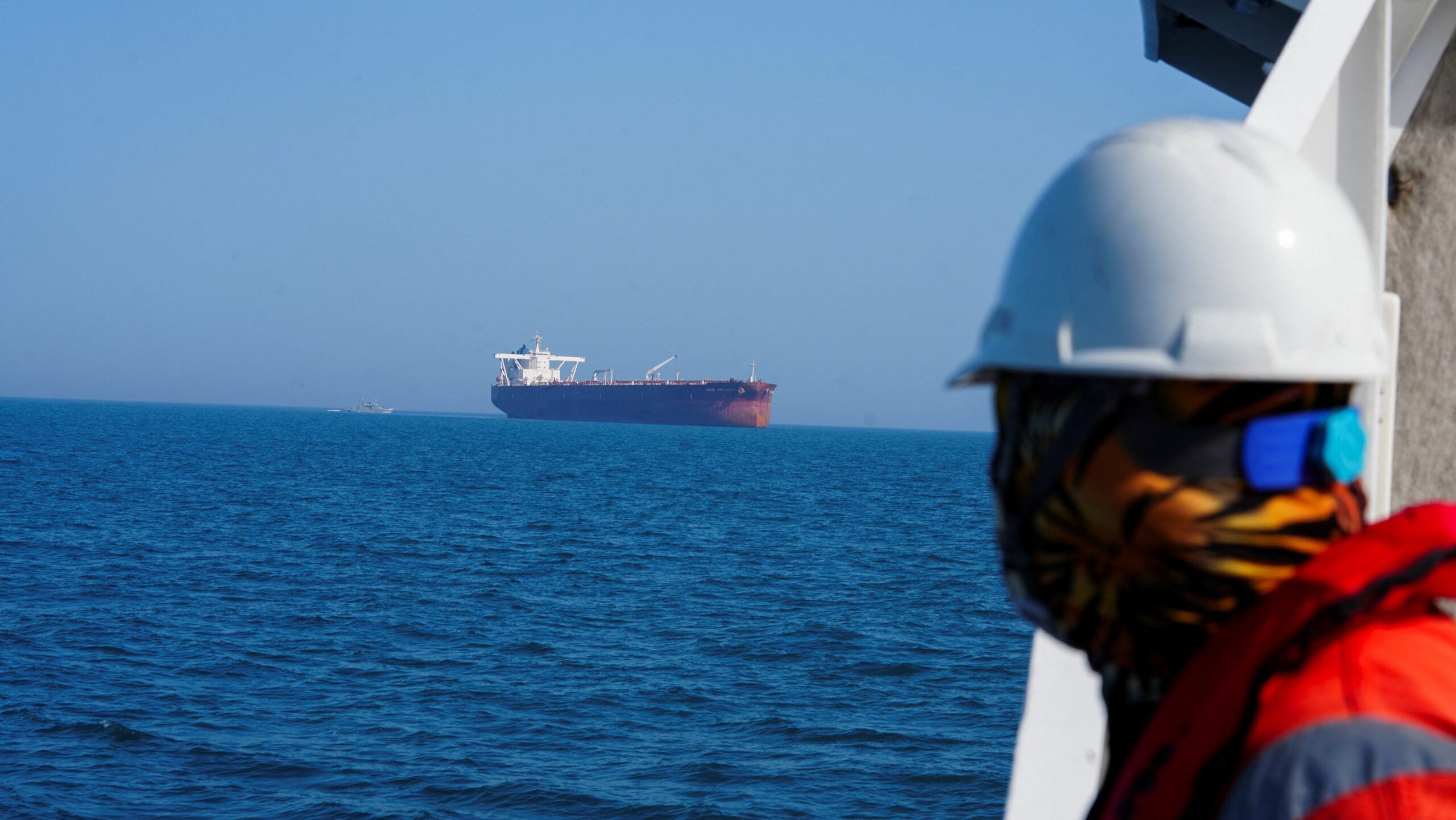
Sources reveal that Kuwait is offering at least 4 million barrels of its primary export grade via two large crude carriers to refineries in countries like China and South Korea. Traders familiar with the situation, who wish to remain anonymous due to non-disclosure agreements, have indicated that this direct offering from state-owned Kuwait Petroleum Corp. (KPC) is a significant move. The shipments have already navigated the Strait of Hormuz and are ready for prompt delivery to Asian ports, albeit details about the pricing and terms of sale remain undisclosed.
Strategic Changes in Oil Flow
The increasing sale of Kuwaiti crude signifies an important transition in the flow of oil through the Strait of Hormuz. Observations of enhanced oil transports coincide with heightened U.S. efforts to coordinate maritime transit. Alongside Kuwait, the United Arab Emirates has also contributed to the trend by dispatching millions of barrels from the Persian Gulf to Asian markets, though overall oil flows remain below pre-war standards. The burgeoning activity indicates Persian Gulf oil producers are navigating the risks associated with Iran’s historical threats to maritime traffic.
Impact of the Strait’s Conditions
Historically, the closure of the Strait of Hormuz has led to unprecedented oil supply disruptions, especially affecting higher-sulfur barrels that are critical for Asian refineries. The situation has compelled a variety of stakeholders ranging from national oil companies like the Abu Dhabi National Oil Co. to trading firms like Vitol Group and Mercuria Energy Group to collaborate in mitigating supply shortages. These entities are working to facilitate the movement of crude from the Gulf to international markets, effectively adapting to the evolving geopolitical climate.
Current Shipping Activities and Vessel Movements
Recent shipping activity around Kuwaiti ports, including supertankers such as Al Riqqa and Dar Salwa, suggests a robust operational tempo despite earlier transit disruptions. These vessels were tracked moored at Kuwait’s Mina Al Ahmadi terminal before their transponders ceased to transmit location data. Additionally, the supertanker Universal Winner managed to deliver Kuwaiti crude to South Korea earlier this month via a route seemingly authorized by Iranian authorities. Such coordinated movements illustrate the complexity of navigating commercial shipping in this volatile region.
Ongoing disruptions to vessel tracking systems complicate the ability to monitor actual shipping activity. As transponder transmissions continue to experience issues, the true extent of maritime movement in this critical area may be underestimated, hinting at an even more dynamic market landscape.
As Kuwait re-enters the Asian oil market amid geopolitical complexities, the effects on global supply chains and pricing strategies will be keenly observed. Stakeholders in the oil industry and analysts alike will undoubtedly monitor these developments closely, as they could signify a broader reshaping of energy trade flows in the region.