
Certainly! Here’s a rewritten version of your content, focusing on SEO and structured with subheadings:
—
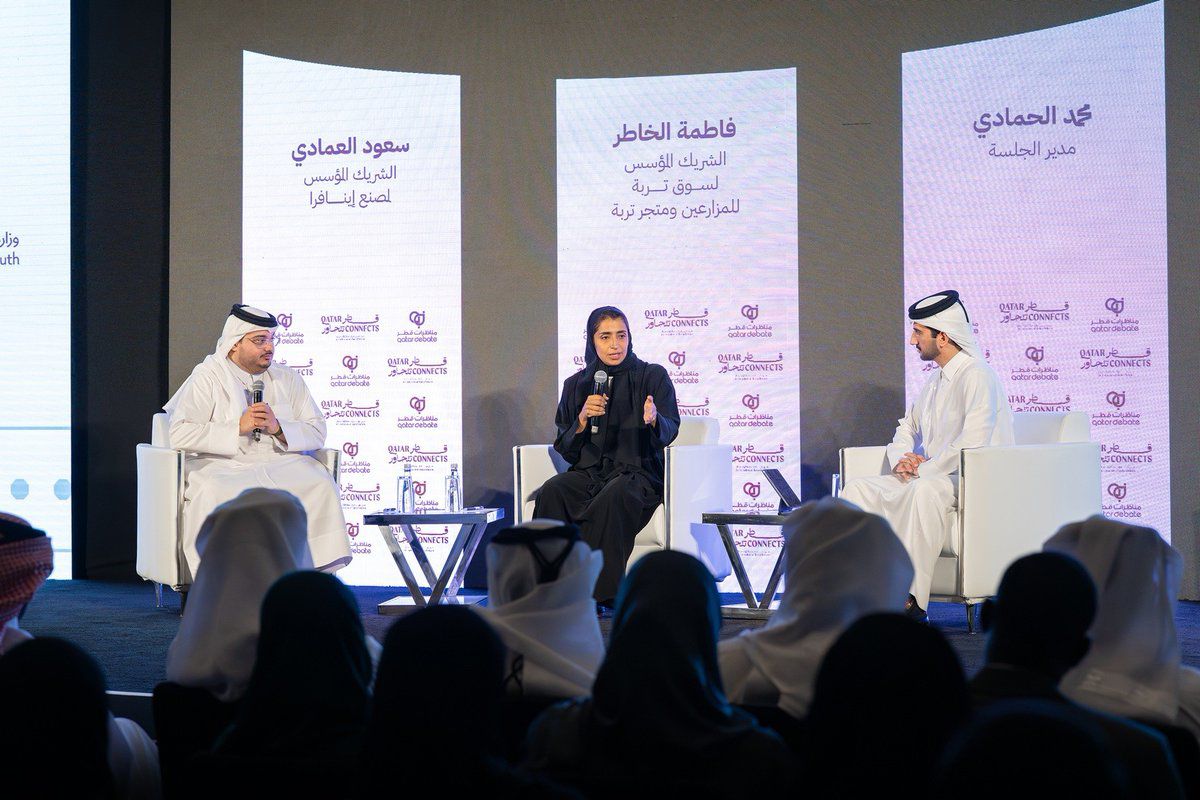
In the heart of Doha, Qatar, a significant discussion unfolded at the QatarDebate Center, an initiative of the Qatar Foundation. The recent panel discussion tackled the pressing issue of local production amid global changes like supply chain disruptions and international crises.
Empowering Qatar’s Production Landscape
The panel was a component of the “Qatar Connects” series, themed “Beyond Imports: Will Local Production Lead Qatar’s Future?” The session, skillfully moderated by media personality Mohammed Al Hamadi, brought together entrepreneurs, local manufacturers, and key stakeholders from the Qatari production framework. Participants delved deep into the obstacles and opportunities linked to establishing a more self-sufficient and resilient Qatari economy, urging a shift from mere consumption to more active engagement in production.
Abdulrahman Al Subaie, Director of Administration and Strategy at QatarDebate Center, underscored the importance of the discussion’s timing. He emphasized the necessity to re-evaluate national development priorities in light of global challenges. “Our focus today was not on temporary solutions but on long-term resilience and sustainability,” he noted. He further stated, “Bolstering local production aligns closely with Qatar’s national development objectives, impacting every household and influencing consumer decisions for generations to come.”
Exploring Strategic Dimensions
The panel comprised notable figures, including Saoud Al Emadi, Founder of Enavra, and Fatma Ali Al Khater, Founder of Torba Market. The dialogue progressed beyond merely questioning the significance of local production to examining specific measures necessary for its enhancement. Speakers analyzed six pivotal dimensions, such as local production priorities, the readiness of the ecosystem, home-based production, inherent challenges, governmental support, and future prospects.
Saoud Al Emadi shed light on the realities encountered by local producers, reiterating the importance of quick adaptations, alternative supply chains, and ongoing institutional backing for the industrial sector. He shared how, post-regional disruptions, Enavra successfully redirected raw material shipments via Jeddah to sustain production and satisfy market needs, despite the additional costs involved.
Furthermore, Al Emadi emphasized the role of financial institutions, advocating for continued incentives and financing programs aimed at industrial growth. He praised local entities like Qatar Development Bank for their efforts in providing financial solutions that aid in factory expansion, cost reduction, and ultimately, greater self-sufficiency.
Rising Demand for Local Goods
Fatma Ali Al Khater highlighted a growing consumer preference for locally produced items, particularly as shoppers seek fresh and high-quality products. She pointed out that local markets and initiatives significantly bolster the recognition and success of Qatari goods, making them the top choice for many consumers. However, she also addressed challenges such as water scarcity and climate conditions affecting local agriculture, while presenting opportunities for small-scale agricultural enterprises to enhance self-sufficiency and food sovereignty.
Al Khater remarked, “There is a valuable opportunity to create businesses and develop national products that not only support Qatar but also compete effectively on a global scale.”
As discussions drew to a close, participants concurred that local production in Qatar has evolved from disjointed individual efforts into a cohesive national strategy, driven by proactive entrepreneurs and institutions dedicated to enhancing Qatar’s local production capabilities.
The session concluded with actionable insights based on real-world challenges and opportunities, aimed at fortifying the national economy in alignment with Qatar National Vision 2030, a roadmap for achieving a sustainable and self-reliant society.
—
This version maintains the core messages while enhancing readability, SEO focus, and structure.