
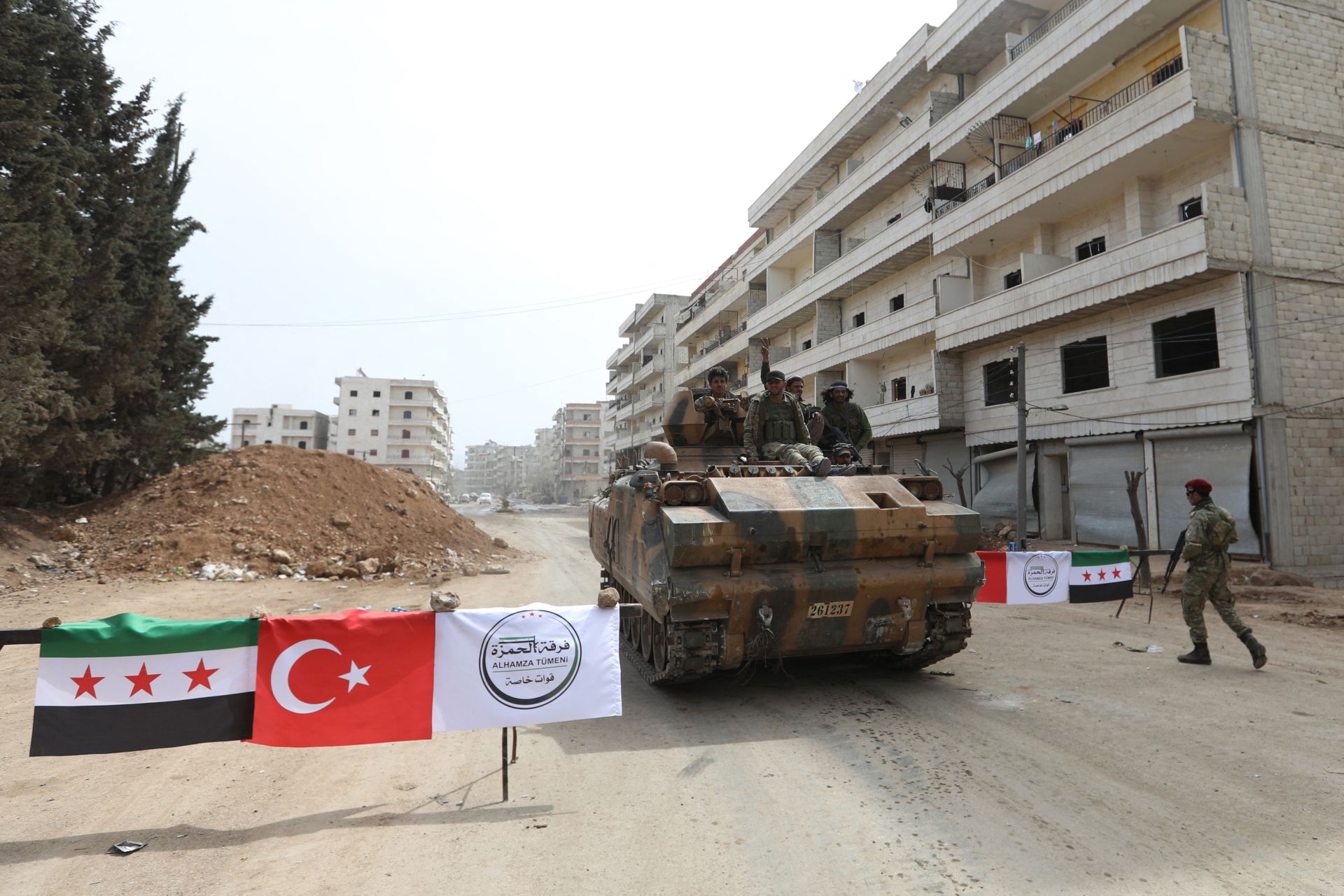
Turkey’s evolving relationship with Syria’s leadership marks a significant chapter in Middle Eastern geopolitics. Initially born from mutual distrust and necessity, this connection has transformed into a complex alliance characterized by both cooperation and friction. While the Syrian regime under Ahmad al-Sharaa seeks greater autonomy, it remains reliant on Ankara for crucial support, especially in terms of security. This dynamic has profound implications for the stability of Syria post-Assad, as Ankara navigates its role amid shifting regional alliances.
Historical Context of Syrian-Turkish Relations
In the early stages of the conflict, Ankara found itself grappling with the rapid rise of jihadist factions within Syria. An independent mediator noted that Turkey required a local partner to manage the threat posed by groups active in regions like Idlib, particularly as it was averse to direct military engagement. Despite initial skepticism regarding alliances with these factions, Turkey ultimately found utility in collaborating with Hayat Tahrir al-Sham (HTS), which provided a semblance of order in the chaotic landscape of Idlib, thus preventing mass migrations into Turkey.
The years leading up to Assad’s ousting showcased deep-rooted tensions, with significant disagreements emerging between Turkey and various Syrian factions. Turkey’s pursuit of normalization with the Assad regime after his survival became anticipated by regional power brokers was met with considerable discontent from Syrian opposition groups, leading to an erosion of trust. Despite repeated overtures by Turkish officials, Damascus maintained a firm stance, demanding the withdrawal of Turkish forces from northern territories.
The Complex Dance of Power
Tensions escalated further when HTS sought to expand its influence, leading to conflict with Turkish interests. Striving to consolidate power, HTS’s territorial ambitions led it to encroach into Turkish-controlled northern Aleppo. This move, however, faced stern opposition from Ankara, which aimed to maintain its dominance over the area through the Syrian National Army (SNA). HTS’s attempts to assert control were mitigated by Turkish warnings and overt threats, disrupting plans for aggression against Turkish-held regions.
In late 2023, a high-profile defection from HTS to Turkish areas signified a shift in leverage, enabling Ankara to gain valuable intelligence on HTS activities. Tensions culminated in another abortive attempt by HTS to act independently within Turkish-held territories, leading to significant repercussions for their standing with Ankara. Despite ongoing efforts for territorial gains, Turkish influence remained a determining factor in HTS operations and overall strategy.
The Future Landscape: Stability and Independence
As the Syrian conflict progressed, the Assad regime’s survival depended heavily on securing reliable partners like Turkey. This arrangement highlights the fragile balance of power and dependence that underpins the relationship. While Turkey actively supports Syrian forces, especially through military and intelligence channels, Damascus is determined to safeguard its sovereignty. With the emergence of new alliances, particularly with Gulf states, Syria aims to diversify its diplomatic ties and secure a foothold independent of Turkish influence.
However, the realities on the ground complicate this goal. Turkey retains substantial military presence in northern Syria, underpinned by its historical ties with various factions. This historic dependency is a double-edged sword, as HTS and others push for greater control and autonomy while needing Turkey’s backing for stability. As both nations navigate this intricate relationship, the balance between cooperation and independence remains precarious.
In conclusion, the Syrian-Turkish alliance is a pivotal aspect of the Middle East’s shifting landscape. Observers must grapple with the nuances of this partnership, which continues to evolve amid the realities of warfare and diplomatic strategies. Both sides possess mutual interests; however, the quest for autonomy on Syria’s part poses challenges for Ankara’s role as a stabilizing force. As the region braces for potential changes, the dynamic interplay of power will continue to be a focal point for analysts and policymakers alike.