
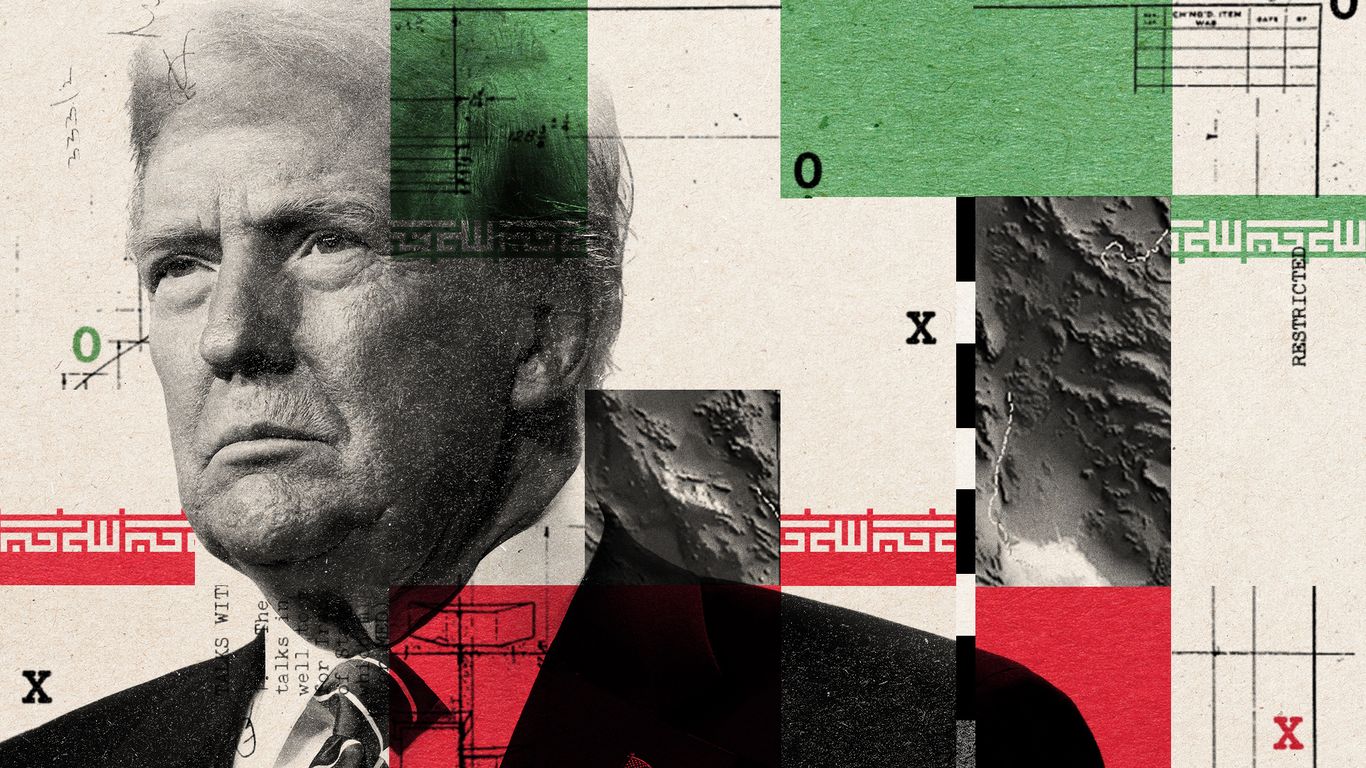
In recent months, political negotiations have captured headlines, with key figures like former President Donald Trump finding themselves at the center of a complex web of diplomacy. After proposing significant offers, Trump endured a drawn-out two-week wait for a response, highlighting not only his commitment to political discourse but also the intricate nature of negotiating in today’s environment.
The Art of Political Negotiation
Navigating political negotiations requires a keen understanding of timing and strategy. For Trump, every offer is more than just a proposal; it’s a calculated move in the grand chess game of politics. The two-week delay in receiving feedback speaks volumes about the current climate surrounding political discussions. Understanding these dynamics not only provides insight into Trump’s methods but also offers lessons on the intricacies of deals within the political arena.
Effective negotiation in politics often involves a testing of patience. Deals are rarely concluded hastily, and reactions can vary widely based on external factors. This drawn-out response period highlights the delicate balance between eagerness to engage with political rivals and the necessity to maintain a strong negotiating position. Each participant in the conversation must assess the potential advantages and disadvantages of providing a timely response.
The Impact of Delays on Political Strategy
The two-week wait that Trump endured raises questions about timing in political strategy. For him, each moment that passes can either strengthen or weaken one’s position. A prolonged response can lead to uncertainty among allies and opponents alike. It can shift the narrative in unexpected ways, allowing room for speculation and interpretations that may not align with the initial intent of the offer.
Furthermore, the impact of such delays extends beyond mere strategy; it also affects public perception. Constant media coverage surrounding a political figure like Trump ensures that even the slightest misstep or hesitation can be magnified. This increase in scrutiny can put additional pressure on political entities to act promptly, thereby influencing how negotiation tactics are executed.
Trump’s experience serves as an illustration of the importance of patience in political discourse. The seemingly endless waiting period can test the resolve of even the most seasoned negotiators. However, this time can also be used strategically to refine arguments and bolster one’s rationale for certain proposals. By the end of the waiting period, negotiators have the opportunity to approach discussions with a clearer perspective, revealing their true intentions and negotiating strengths.
In conclusion, Trump’s recent negotiation experience highlights essential lessons in political strategy, timing, and communication. The art of negotiation is shaped not just by the deals proposed, but also by the dynamics of time, partnership, and public perception. Political figures must remain adept at balancing urgency with patience. As they navigate offers and responses, the lingering question remains: how will these dynamics shift in an ever-evolving political landscape?