
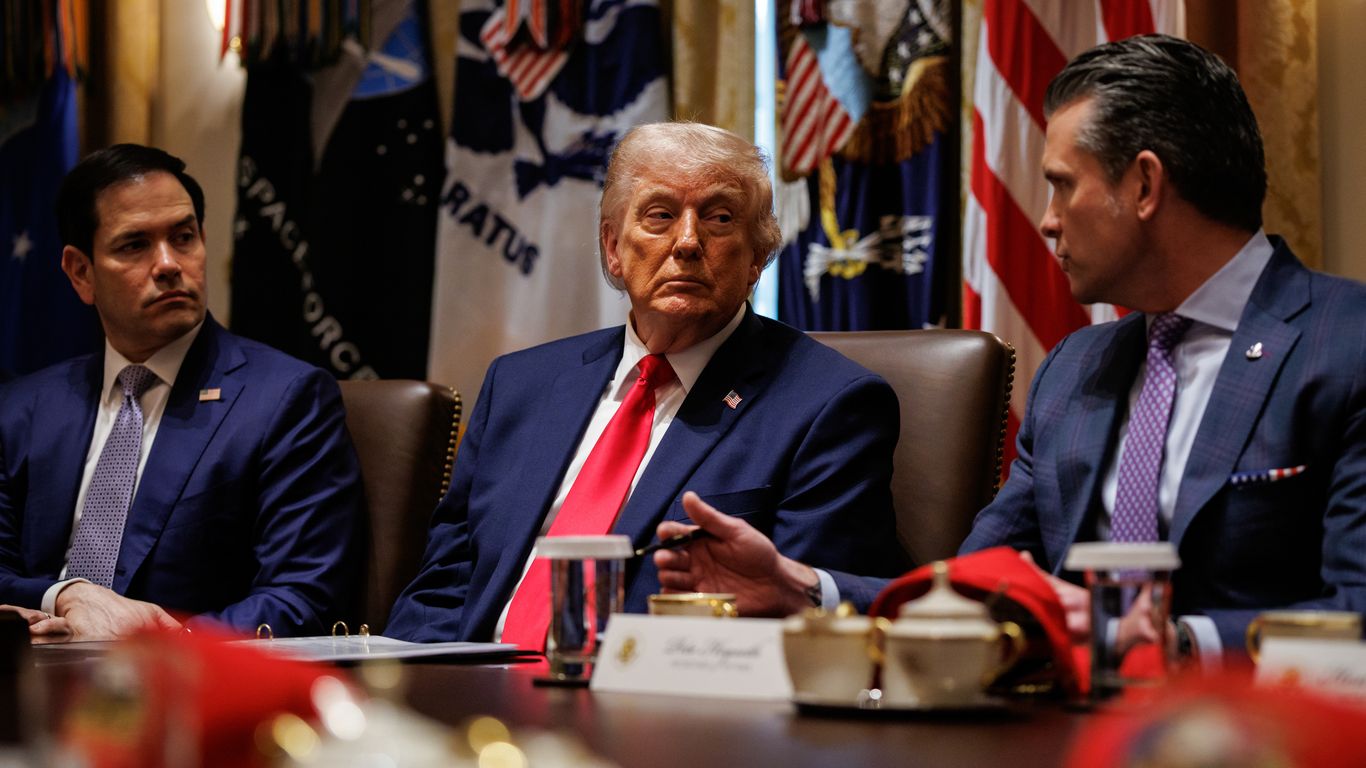
Trump’s Strategic Military Considerations
Former President Donald Trump has consistently maintained a stance aimed at a decisive military approach. Among the options under consideration is a large-scale operation characterized by its brief duration, which could have significant implications for both domestic and international politics.
Short-term Military Strategies
Trump’s military strategy appears to focus on swift and decisive actions rather than prolonged engagements. By opting for operations that are expansive but short-lived, the aim is to achieve rapid results. This approach may be seen as an attempt to demonstrate military strength while minimizing the risks associated with drawn-out conflicts. The rationale behind such tactics often leans on the belief that a visible show of force can deter potential adversaries without entangling the U.S. in lengthy military commitments.
This method of engaging in short-term operations aligns with the preference for displaying military prowess while also maintaining public support. The prospect of immediate outcomes can resonate well with voters who desire decisive leadership. Furthermore, the reduction of prolonged military presence can alleviate issues related to resources, military fatigue, and international backlash.
Potential Consequences and Implications
While the notion of large yet temporary military operations may seem appealing, numerous challenges accompany such strategies. These include the unpredictable nature of warfare and its impacts on both local populations and global geopolitics. In the event that an operation does not yield the anticipated results within a brief timeframe, the ramifications could lead to heightened tensions, both domestically and internationally.
Moreover, history has shown that short-term military strikes can have lingering effects that extend far beyond the duration of the operation itself. An operation that fails to consider the complexities of a given situation may inadvertently create vacuum conditions that can be exploited by hostile forces or destabilize a region. Therefore, although the appeal of a short and sharp military campaign exists, careful analysis and foresight are critical in evaluating the potential for unintended consequences.
Public Support and Political Ramifications
The political landscape significantly influences military decisions. A large-scale, short-duration operation could attract public interest, especially in times of perceived national threat. Maintaining a perception of strength may galvanize support among political bases and serve as a reminder of America’s military capabilities. Nonetheless, the public’s appetite for military engagements has become increasingly cautious, particularly given the lasting impacts of previous overseas conflicts.
Ultimately, the strategic considerations surrounding military operations are not just about the immediate actions taken but also the broader narrative they create. Balancing robust military activity with a discerning understanding of the consequences can pose a challenging dilemma for any administration, particularly one like Trump’s, which thrives on decisive action.
In conclusion, while Trump’s ideas for military engagement emphasize significant yet short-lived operations, they entail a complex interplay of strategy, potential consequences, and political dynamics. The efficacy of such strategies remains to be seen, as the implications of military actions can resonate long after the guns fall silent. As the conversation around U.S. military engagements continues, it becomes increasingly vital to weigh the immediate tactical advantages against the potential for long-term ramifications.