
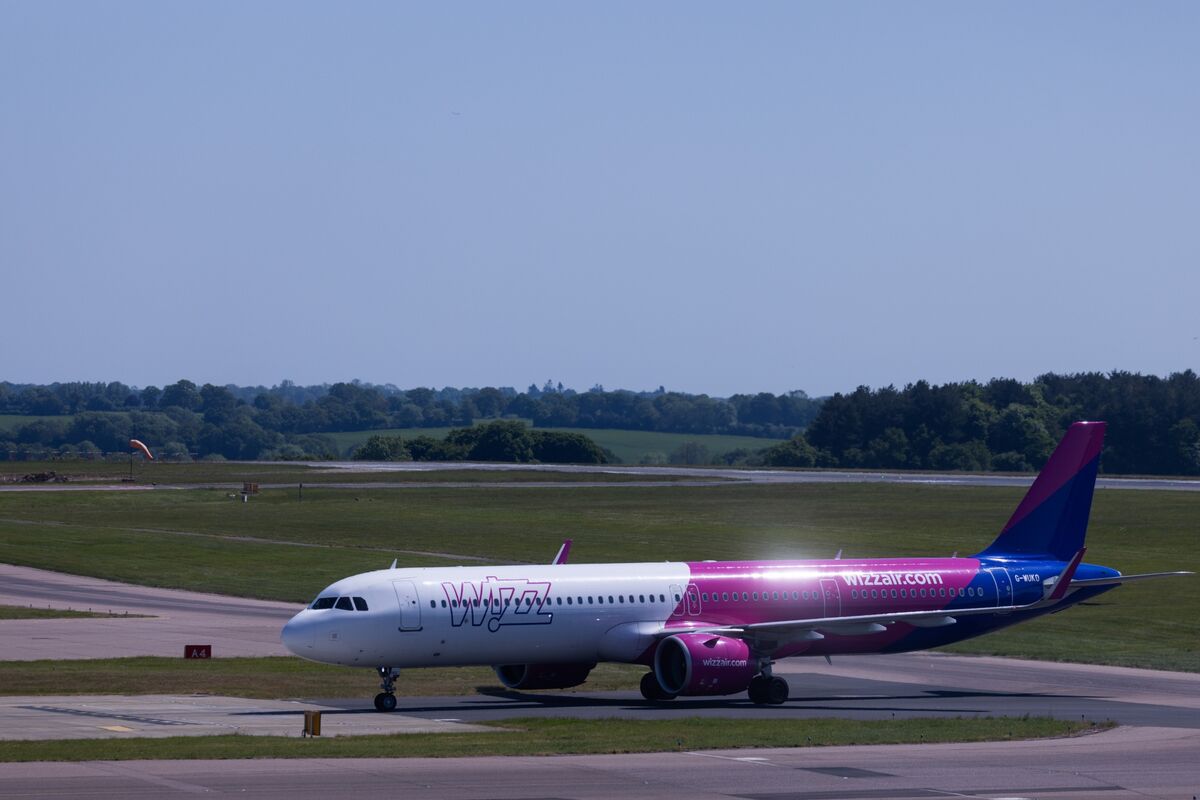
Wizz Air is on the verge of breaking even, while Ryanair is currently under scrutiny due to a UK investigation. This situation presents an interesting dynamic in the competitive airline industry, especially in the context of post-pandemic recovery and financial strategies.
Wizz Air’s Financial Performance
Wizz Air has reported a close call with financial loss, demonstrating resilience despite challenges from the ongoing economic environment. As the airline navigates rising fuel prices, labor shortages, and increased demand for travel, it has managed to maintain strong operational performance. The close call with profitability reflects Wizz Air’s agile approach to cost management and dynamic pricing strategies, which have been crucial during these uncertain times. With a focus on expanding routes and enhancing customer experience, Wizz is positioning itself well to capture the growing market share, particularly in Europe.
Ryanair’s Regulatory Challenges
In contrast, Ryanair finds itself in a complicated situation as the UK’s aviation regulators initiate an investigation into its operations. This scrutiny could stem from various operational concerns, potentially impacting the airline’s reputation and financial standing. Ryanair is known for its aggressive pricing and expansion tactics, which have often placed it at odds with regulatory agencies. The looming investigation could lead to increased oversight, which may affect the company’s ability to operate as freely as it has in the past. Stakeholders will be closely monitoring the developments to understand how this may reshape Ryanair’s strategic direction in the near future.
The Competitive Landscape of Airlines
The airline sector is witnessing significant shifts, fueled by changing consumer preferences and regulatory environments. Wizz Air and Ryanair, two major players in the low-cost market, represent different approaches to navigating these challenges. While Wizz is cautiously optimistic about its financial recovery, Ryanair’s predicament could serve as a cautionary tale for low-cost carriers that depend heavily on aggressive pricing. As airlines focus on sustainability and customer satisfaction, it’s important to assess how regulatory pressures will influence business models going forward.
Future Outlook for Budget Airlines
Looking ahead, budget airlines like Wizz and Ryanair must adapt to evolving market conditions. Wizz Air’s near break-even performance could encourage other airlines to explore innovative cost-saving measures. Meanwhile, Ryanair’s ongoing regulatory investigation may require it to rethink its operational strategies in order to mitigate potential risks. Both airlines will need to stay attuned to market dynamics, consumer demands, and regulatory landscapes as they strive for long-term growth and stability.
In summary, Wizz Air is marking its presence by edging closer to profitability, while Ryanair is grappling with regulatory challenges. The outcomes of these scenarios will likely impact not only their trajectories but also the broader dynamics within the airline industry. As these companies respond to current challenges, their strategies will play a crucial role in shaping the future competitive landscape of air travel.