
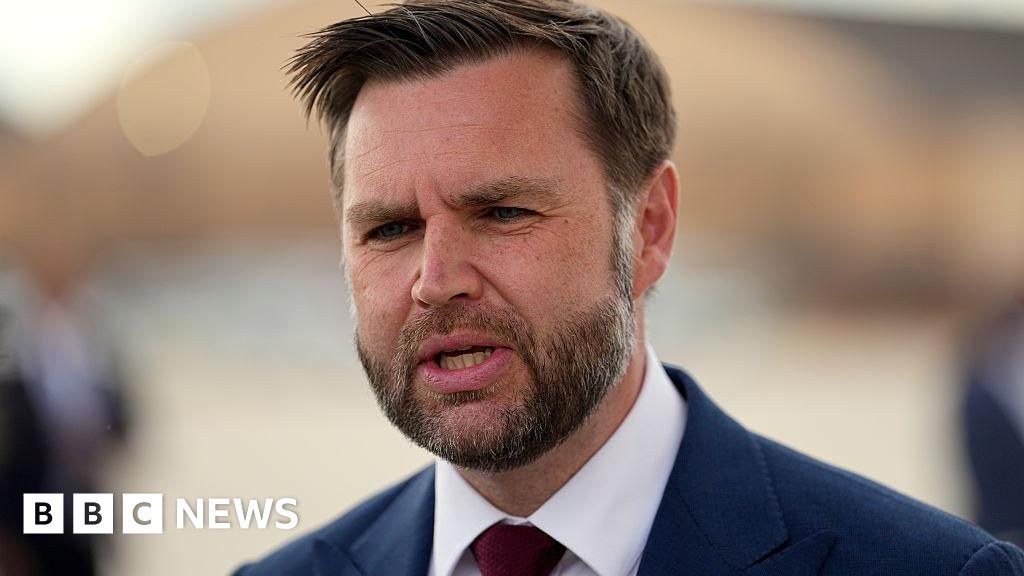
In diplomatic relations, it is crucial for countries to align their interests and collaborate effectively. Recently, the U.S. Vice President addressed the nuanced dynamics in U.S.-Israel relations, highlighting the complexities that arise when national interests do not fully align.
The Complex Nature of U.S.-Israel Relations
The relationship between the United States and Israel has long been characterized by strategic partnerships. However, the Vice President pointed out that while the Israeli leadership is assertive in defending its national interests, these priorities do not always coincide with those of the United States. This divergence can lead to a tense atmosphere in diplomacy, where mutual understanding becomes essential yet challenging.
Asserting National Interests
Israeli leaders have often prioritized their country’s security concerns and regional stability over diplomatic niceties. This often leads to a robust assertion of national interests, sometimes at odds with U.S. policies. The Vice President’s comments suggest a recognition of this complexity, indicating that while the U.S. values its alliance with Israel, it must navigate the differences tactfully to maintain a cohesive foreign policy.
The Impact of Diverging Strategies
The differing priorities can impact not only bilateral relations but also broader regional dynamics. For instance, when Israel takes unilateral actions that conflict with U.S. interests, it can isolate the United States in the international arena and complicate its relationships with other nations. The Vice President’s remarks reflect a growing awareness within the U.S. government of the need to balance these conflicting interests to foster a more stable diplomatic framework.
Future Directions in Diplomacy
Going forward, it will be crucial for both nations to engage in open dialogue to mitigate tensions arising from their divergent interests. Strategies that emphasize collaboration while allowing for the expression of individual national agendas could lead to more fruitful outcomes. By acknowledging these complexities, both the U.S. and Israel have a better chance at crafting effective policies that not only serve their respective interests but also promote peace and stability in the region.
In summary, the U.S.-Israel relationship remains a cornerstone of American foreign policy in the Middle East. However, as highlighted by the Vice President’s statements, understanding and addressing the complexities of differing national interests is essential for fostering a constructive partnership. As both nations confront the challenges ahead, mutual respect and open communication will be the keys to navigating this intricately woven diplomatic tapestry.