
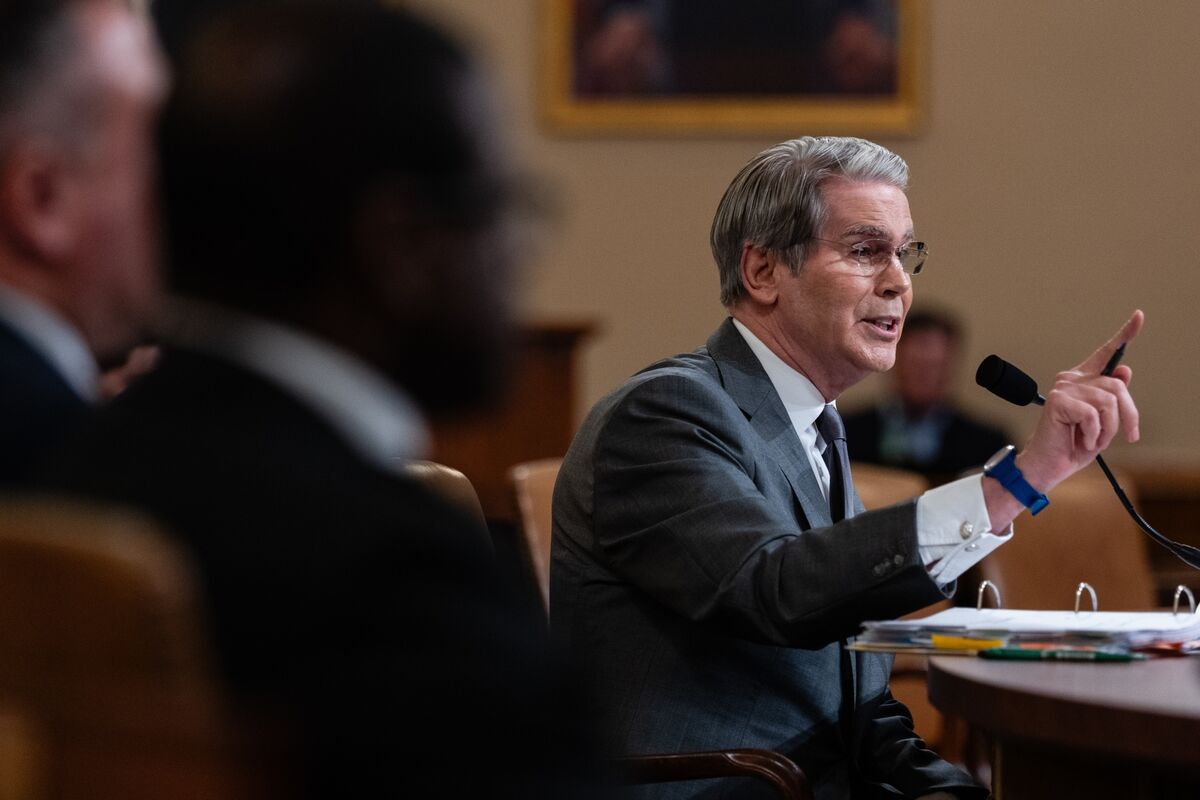
Treasury Secretary Scott Bessent announced that the United States plans to utilize frozen Iranian assets to cover any damages incurred by Iran’s actions against its allies in the Gulf region. This strategy signals a significant shift in how the U.S. aims to confront Iranian aggression and safeguard its allies.
The Context of U.S.-Iran Relations
The relationship between the United States and Iran has been fraught with tension for decades. Historical events, such as the 1979 Iranian Revolution and subsequent sanctions imposed on Iran, have created a complex backdrop. Iran’s continued involvement in regional conflicts and its support for militant groups have further exacerbated these tensions, prompting the U.S. to adopt a more aggressive stance in the region. Secretary Bessent’s comments reflect a growing frustration with Iran’s actions and a willingness to leverage financial measures as a means of deterrence.
Utilizing Frozen Assets as a Strategy
The decision to tap into frozen Iranian assets is significant for various reasons. Firstly, it indicates a clear message to Tehran: any aggressive behavior will come with financial repercussions. Secondly, this move demonstrates the U.S. government’s commitment to its allies, assuring them that it will stand firm against Iran’s provocations. By using funds that were previously inaccessible to Iran, the U.S. aims to not only compensate its allies for any damages but also undermine the Iranian regime’s financial capability to continue its aggressive policies.
The Implications for Regional Stability
This bold approach raises questions about the broader implications for stability in the Gulf region. By directly holding Iran accountable through its assets, the U.S. signals a new phase in its policy toward Tehran. However, while this strategy may provide immediate financial relief to affected allies, it could also lead to increased retaliatory measures from Iran, potentially further escalating tensions. As the U.S. navigates this precarious situation, it will need to balance its actions carefully to avoid a full-blown conflict while still maintaining its commitment to Gulf allies.
Conclusion: A New Chapter in U.S.-Iran Policy
In summary, Treasury Secretary Scott Bessent’s announcement regarding the use of frozen Iranian assets represents a pivotal moment in U.S.-Iran relations. As the U.S. seeks to defend its allies against Iranian aggression, this strategy may reshape the dynamics of power in the Gulf. However, careful consideration is necessary to manage the potential fallout of such a decisive move. The outcome of this gambit will undoubtedly influence not only U.S.-Iran relations but also the stability of the entire region for years to come.